
Reviewed · MOSTAR DAY TRIPS
Traditional Bosnian Cooking Class in Mostar with Lunch and Drinks
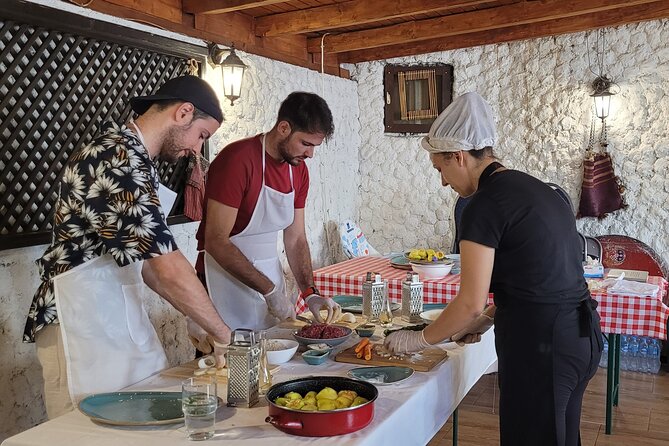
The best part of this Mostar experience is that you do not just eat Bosnian food, you learn how it is made. At Food House Mostar, an English-speaking host such as Amina guides you through dishes like dolma, japrak, and burek, then sits down with you for a home-cooked three-course meal.
I like the genuinely hands-on format. You knead, roll, stir, season, and shape the food yourself, including pastry made with a long, thin Bosnian rolling pin. I also like the easy pace and the cultural conversation, which can include personal stories about Bosnia’s difficult recent past. The main drawback is that the exact dishes and start time may vary, so check your confirmation carefully before setting out.
Key Points to Know Before You Book
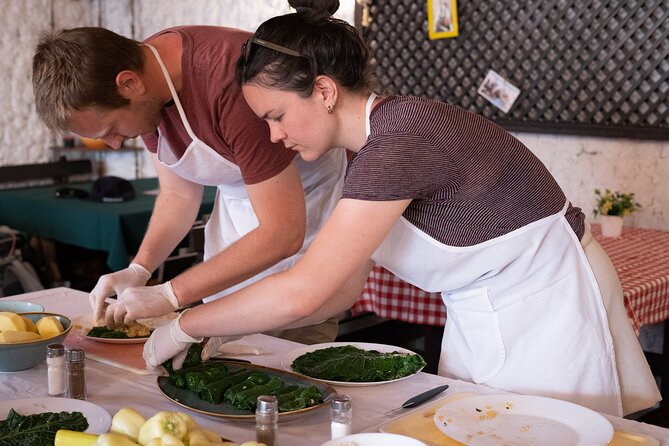
- You cook, rather than watch: The class gives you access to a commercial kitchen, with ingredients, tools, spices, and space to try each step yourself.
- Amina gets especially high marks: Her calm, patient teaching style suits first-time cooks and people who have taken classes around the world.
- The meal is substantial: A Bosnian mezze platter, stuffed dishes, dessert, and drinks make this much more than a quick demonstration.
- The food can change: Dolma, japrak, burek, stuffed peppers, kale leaves, pastry spirals, and squash pie have all featured in different sessions.
- It is a cultural experience too: You can ask about Bosnian food, family traditions, and history while cooking.
- Plan around the details: The experience lasts about three hours, requires at least two people, and has a maximum group size of 20.
Cooking Bosnian Food at Food House Mostar
The class takes place at Food House Mostar, at Rade Bitange 12 in Mostar. It ends at the same location, so you do not need to arrange transport between separate stops. The setting is in the heart of Mostar’s old-town area, making it easy to pair with time around the historic center.
The listed start time is 5:00 pm, although morning and afternoon departures are also offered. This matters because the details supplied for the experience are not perfectly consistent. Check the confirmed time after booking, and do not rely only on an older booking page or search result. One person arrived at the wrong time because the online details had not been updated and missed part of the lesson.
The class lasts about three hours. That gives you enough time to cook at a relaxed pace, eat what you prepare, and talk with the host. You are not being rushed through a string of recipes for a quick photo opportunity. At the same time, three hours is not long enough for a full survey of Bosnian cuisine, so think of this as a focused introduction built around a few classic dishes.
More ways to reach Mostar:
- From Dubrovnik: Mostar and Kravica Waterfall Day Trip
★ 4.7 · 4,709 reviews - Dubrovnik: Kravica Waterfalls, Mostar and Pocitelj Day Trip
★ 4.5 · 3,045 reviews - Dubrovnik: Mostar & Kravica Waterfalls Day Trip
★ 4.8 · 1,970 reviews
A Warm Welcome With Rakija and Mezze
The experience begins with an introduction, followed by a welcome drink of rakija. This fruit brandy is a familiar part of hospitality across the Balkans, though you can simply take a small taste if strong spirits are not your thing. The minimum drinking age is 18.
The listed meal includes local wine or beer, while extra drinks are not included. Some sessions have also included coffee, small snacks, or a nonalcoholic drink such as elderberry cordial. These touches may depend on the day and the host, so do not book the class expecting every possible drink mentioned by past participants.
The starter is a Bosnian mezze platter. Mezze is a useful first course for a cooking class because it introduces several flavors before you begin the main work. Expect a shared spread rather than a single plated appetizer. It also gives you something to enjoy while the cooking gets underway.
I would arrive hungry. The welcome nibbles, mezze, cooked dishes, and dessert add up to a generous evening, especially if you are also offered leftovers to take away. Extra food has been packed for some people to enjoy later, though you should treat that as a welcome possibility rather than a guaranteed part of the menu.
Learning to Roll, Stuff, and Season
The teaching is built around participation. You are given the ingredients and tools, then guided through the steps instead of standing back while someone else does the work. That is important here because Bosnian cooking depends on technique as much as on a recipe.
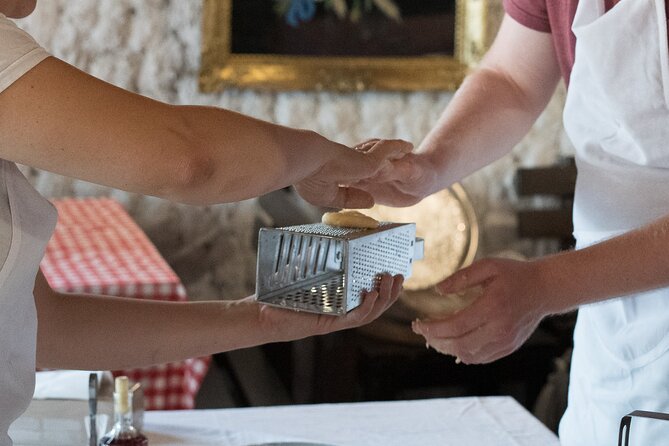
Pastry rolling is one of the memorable skills. Several sessions have used a long, thin traditional Bosnian rolling pin, and making pastry with it can take practice. If your first sheet is uneven, that is part of the fun. You are learning a household method, not producing factory-perfect pastry.
Burek is a good example. This savory pastry is made with thin dough and a filling, then shaped and cooked. The class focuses on traditional methods, including the handling of the pastry. Amina has been praised for letting people try each stage and for giving patient help when rolling proves tricky.
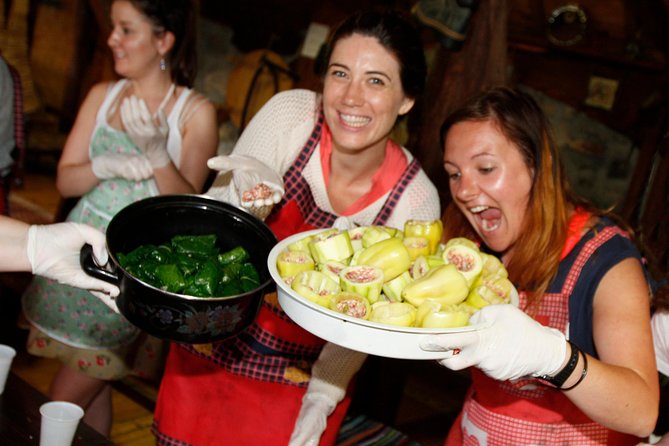
Stuffed vegetables and leaves are another likely feature. The sample menu lists japrak and dolma, both familiar names in Bosnian and wider Balkan cooking. Dolma generally refers to stuffed vegetables or leaves, while japrak is associated with filled vine leaves. The precise recipe, filling, and preparation may differ from one household to another, which is part of what makes a home-style class useful.
Past sessions have included stuffed peppers, kale leaves, and a stuffed pastry spiral. A butternut squash pie has also appeared, along with sweet lemon and vanilla cookies. These changes suggest that the class follows seasonal supplies or the host’s chosen menu rather than one rigid script.
What You Are Likely to Eat
The sample menu lists a Bosnian mezze platter as the starter, japrak and dolma as the main dishes, and hurmasice for dessert. That is a nice spread of textures and techniques: small savory bites, stuffed dishes, and a sweet finish.
Hurmasice are syrup-soaked Bosnian cookies. They are simple in appearance but satisfying after a meal, especially with coffee or another drink. Their presence also shows that the class is not limited to savory cooking. You get a small lesson in the sweet side of Bosnian home food too.
The meal is not a separate restaurant course served while you watch. You eat the food you helped prepare. That gives the dinner more meaning, even if your pastry shape is not quite as neat as Amina’s. You can taste the effect of the seasoning, dough, filling, and cooking method while the instructions are still fresh in your mind.
Because the menu can vary, ask at booking time if one particular dish is the reason you are interested. The published sample includes dolma, japrak, burek, mezze, and hurmasice, but the class has also served other stuffed dishes and desserts. Specific dietary needs should be provided when booking.
A few more Mostar day trips to weigh up
- Bosnian Cooking Lessons
★ 5.0 · 269 reviews
Amina’s Calm, Hands-On Teaching Style
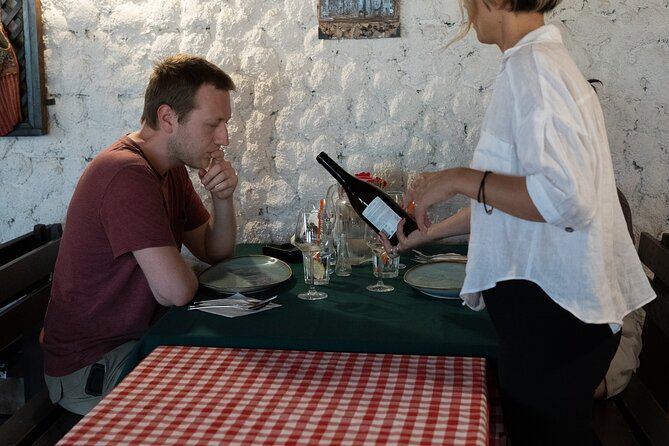
Amina is the name most closely associated with the class. Her teaching style suits people who want clear help without being treated like children in a kitchen. She is described as patient, attentive, kind, and easy-going, with a habit of giving each person a turn at every step.
That last point makes a real difference. In some cooking classes, one person chops while the rest of the group watches. Here, you should expect to knead, stir, season, roll, and shape the food yourself. If you are cooking with children, that can keep the class engaging, although the minimum age is 9.
The pace is relaxed. One couple joined a morning session with no other participants booked and still received a full class rather than a canceled or shortened experience. A small group can make the cooking feel more personal. The maximum group size is 20, though the actual number on your date could be much smaller.
A substitute guide may step in if the original host becomes ill or unavailable. One session continued smoothly after a last-minute change, with the team working together to provide the class. The experience may also be operated by a multilingual guide if requested, but English is the listed language.
Food, Family, and Bosnia’s Recent Past
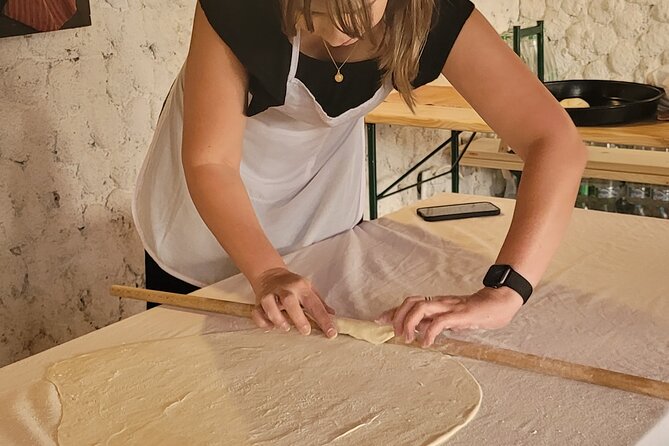
Cooking provides an easy doorway into local culture. You learn what people eat, but also how food is prepared at home, which dishes are saved for special occasions, and why certain techniques remain in use.
The conversation can go beyond ingredients. Amina has spoken candidly about the war when asked, sharing personal experience and stories about the suffering Bosnia endured. That is not a formal history lesson, and the tone depends on your questions and the flow of the evening. Still, it can add weight and context to a class that might otherwise be only about recipes.
I appreciate that this kind of discussion is available without making it the main purpose of the activity. You can focus on food if that is what you want, or ask respectful questions about Bosnia’s past and present. For many people, this human exchange becomes as memorable as the meal.
The setting also helps. Cooking and eating in a local food house feels more personal than sitting through a standard restaurant meal. You are sharing a table, working with a host, and seeing how dishes are made. It is a small-scale experience, even though the kitchen can accommodate up to 20 people.
Is the $90.11 Price Good Value?
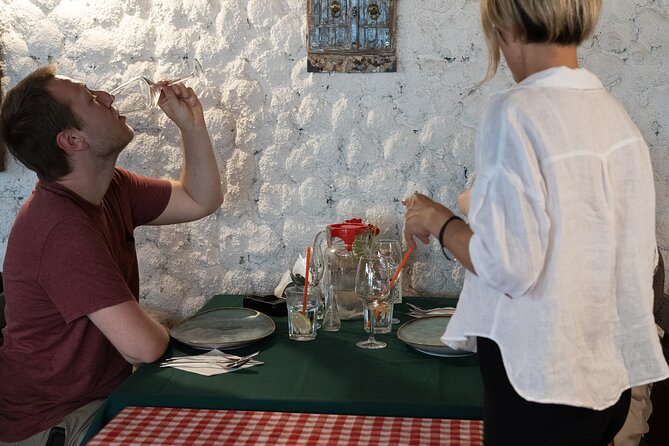
The price is $90.11 per person. That is more than you would pay for a simple meal in Mostar, so the value depends on whether you want dinner alone or an activity built around it.
For the money, you receive the cooking class, an English-speaking guide, a rakija welcome drink, a three-course Bosnian dinner, and local wine or beer. You also receive the use of a commercial kitchen with ingredients, spices, tools, and equipment. The class itself takes about three hours, so you are paying for instruction and time with a host as well as the food.
I consider it fair value for someone who wants a cultural activity and a meal in one booking. The price is less appealing if you are mainly looking for the cheapest dinner in Mostar, or if you dislike group activities and would rather order from a menu.
The chance to learn dishes you can recreate at home adds value. Burek, stuffed vegetables, japrak, and hurmasice are not just items you taste once. With notes or a good memory, you can try them again in your own kitchen. Some people have even taken leftovers away, which helps stretch the meal beyond the scheduled three hours.
Additional beverages are not included. Hotel pickup and drop-off are also not included, but the meeting point and end point are the same. Since the class is held in Mostar, you arrange your own way there and back.
Who Will Enjoy This Class Most?
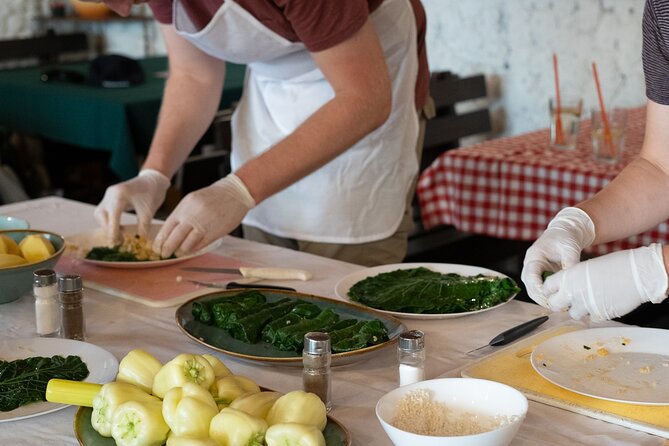
I would choose this experience if you like food, enjoy meeting local people, or want a break from sightseeing. It works particularly well for couples, families with children aged 9 or older, and small groups of friends.
It is also a good choice if you have already seen Mostar’s main sights and want something more active. You are not simply adding another meal to your schedule. You are learning a skill, asking questions, and making something with your hands.
Families should find plenty to keep children busy, especially during the pastry and stuffing stages. The class is not designed only for expert cooks. You can join with limited kitchen experience, and the patient instruction is part of the appeal.
I would think twice if you have strict dietary needs and need a guaranteed menu without substitutions. Dietary requirements can be submitted at booking, but the available information does not specify which accommodations can be made. Also, anyone who does not drink should know that rakija is part of the welcome, even though you can choose not to consume it.
The class is not ideal for a very tight schedule. The experience lasts around three hours, and cooking times can be less predictable than a normal meal. Give yourself room before and after the class rather than booking another fixed activity immediately afterward.
Booking Tips for the 5:00 pm Start
A minimum of two people is required per booking. The maximum is 20, so the class may range from a private-feeling session to a fairly full group. The experience is offered in English, and a multilingual guide may be available on request.
Confirmation is sent within 48 hours of booking, subject to availability. Since the start-time details can be inconsistent, read the confirmation closely and contact the provider if the time does not match what you selected.
The booking includes free cancellation if you cancel at least 24 hours before the local start time. Changes or cancellations inside that 24-hour window are not accepted for a refund. If the minimum number is not reached and the class is canceled, you are offered another date or experience, or a full refund.
Most importantly, bring an appetite and a willingness to work. Wear something comfortable for standing and cooking, though no special equipment is listed as necessary. You will be using the kitchen’s ingredients and tools.
Should You Book It?
Book this class if you want to understand Bosnian food by making it, not just ordering it. The combination of hands-on instruction, a full meal, rakija, local drinks, and conversation with a host gives you a useful three-hour window into daily food culture in Mostar.
I especially recommend it for people who value personal contact and practical skills. Amina’s patient guidance, the traditional pastry rolling, and the chance to discuss Bosnia’s past make the experience more substantial than a standard cooking demonstration.
Skip it if you want a quick, low-cost dinner or need a completely fixed menu and timetable. For everyone else, $90.11 is a reasonable spend for an evening that feeds you, teaches you, and may send you home with leftovers and recipes worth trying again.
FAQ
Where does the cooking class take place?
The class takes place at Food House Mostar, Rade Bitange 12, Mostar 88104, Bosnia and Herzegovina. The activity ends back at the same meeting point.
How long does the experience last?
The cooking class and meal last approximately three hours.
What time does the class start?
The listed start time is 5:00 pm. Morning and afternoon departures are also offered, so check the confirmed time after booking.
What food will I prepare and eat?
The sample menu includes a Bosnian mezze platter, japrak, dolma, and hurmasice. Other sessions have included burek, stuffed peppers, kale leaves, pastry spirals, butternut squash pie, and lemon-vanilla cookies.
Are drinks included?
A rakija welcome drink and local wine or beer with the three-course meal are included. Additional beverages are not included.
What are the age and booking requirements?
The minimum age is 9, and the minimum drinking age is 18. A minimum of two people is required per booking, and the maximum group size is 20.
More Workshops in Mostar
More Lunch Experiences in Mostar
- Understanding Srebrenica Genocide Tour + Lunch with Local Family Included
★ 5.0 · 123 reviews - Lukomir Nomad Village Hiking from Sarajevo – Local Lunch Included
★ 5.0 · 21 reviews
Just added around Mostar
- Mystical Sutjeska National Park★ 5.0 · 3 reviews
- Mostar Guided Tour & Sweet Delights★ 5.0 · 3 reviews
- Private tour from Split to Dubrovnik via Mostar★ 5.0 · 3 reviews
- From Dubrovnik: Sarajevo and Mostar Private Full-Day Tour★ 4.7 · 3 reviews
- From Dubrovnik to Mostar and Kravice waterfalls★ 3.5 · 3 reviews
- Pocitelj City Tour★ 4.5 · 3 reviews
- All Inclusive Neretva Rafting, Day Tour from Mostar★ 5.0 · 4 reviews
- From Dubrovnik: Day Trip to Mostar and Kravica Waterfall★ 3.8 · 4 reviews
Mostar Day Trips, compared.
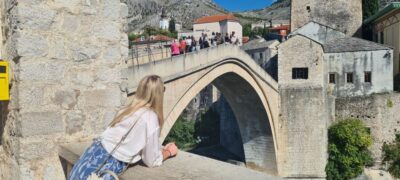
From Dubrovnik: Mostar and Kravica Waterfall Day Trip
Read our review →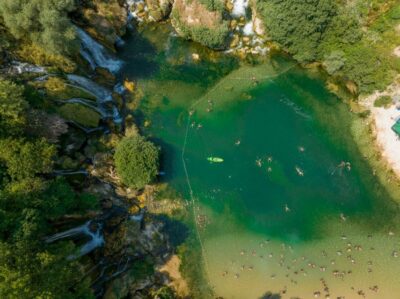
Dubrovnik: Kravica Waterfalls, Mostar and Pocitelj Day Trip
Read our review →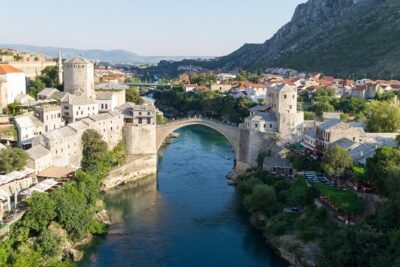
Sarajevo: Mostar, Konjic, Blagaj Tekke, Pocitelj & Waterfall
Read our review →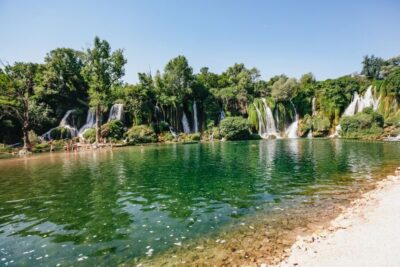
Dubrovnik: Mostar and Kravice Waterfalls Small-Group Tour
Read our review →
Sarajevo: Mostar, Konjic, Sufi House, Pocitelj & Kravice Falls
Read our review →From Split or Trogir: Mostar & Kravica Waterfall Group Tour
Read our review →
From Dubrovnik: Mostar and Medjugorje Full-Day Tour
Read our review →
Discover Herzegovina Day Tour from Mostar: Kravice Waterfalls, Blagaj, Počitelj
Read our review →Browse the lists this tour appears in