
Reviewed · SREBRENICA GENOCIDE MEMORIAL
Sarajevo to Srebrenica: Genocide Study Tour with War Veteran
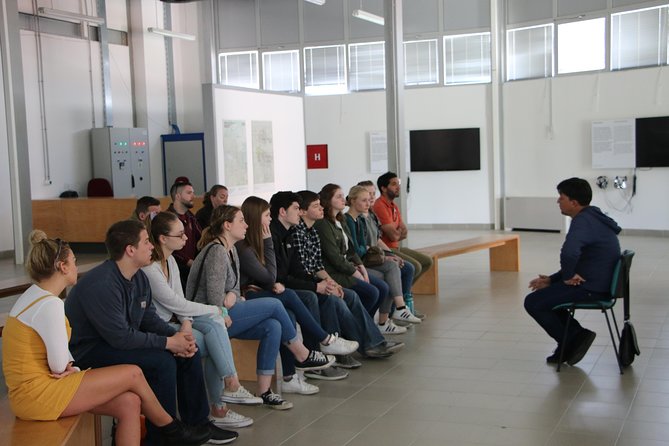
Srebrenica is not a sightseeing stop in the usual sense. It is a place of remembrance, and the most meaningful part of this day is the way the guide connects the former UN headquarters, the cemetery, the museum, and the broader breakup of Yugoslavia. Guides such as Adis, Adnan, and Ömer have brought personal experience of the war to the conversation, making a difficult subject easier to understand without turning it into a lecture.
I like two things in particular. First, the drive through eastern Bosnia gives you time to absorb a clear account of the 1990s conflict before arriving at the memorial. Second, the small-group format, air-conditioned vehicle, included sandwich, water, and hotel return keep the day simple. The main consideration is emotional: this is a harrowing study visit, not a light day trip, and the roughly five-hour round journey leaves only a few hours for the memorial sites.
Key points to know before booking
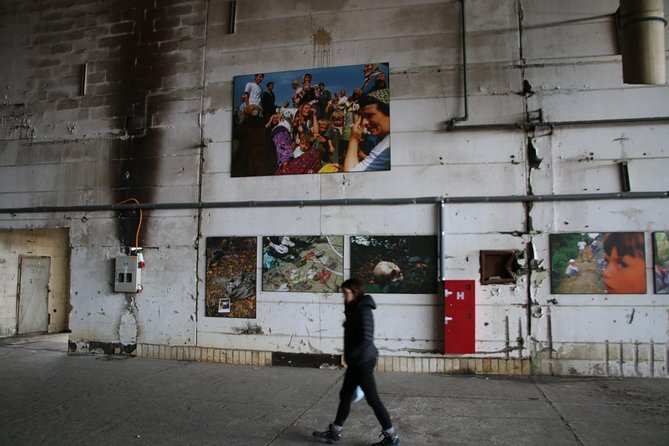
- The former UN battery factory is central to the visit: It now houses the Museum of Srebrenica Genocide, with films and personal accounts.
- The guide shapes the whole day: Adis, Adnan, Ömer, Ibrahim, Edin, Danijela, and other guides have been praised for clear explanations, empathy, and personal wartime insight.
- You get context before the memorial: The drive is used to explain the fall of Yugoslavia and the events that led to the genocide.
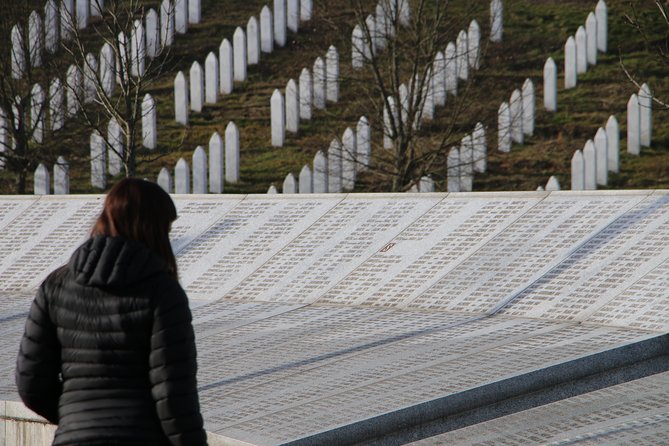
- The cemetery visit is quiet and personal: The white gravestones and memorial room put names and individual stories ahead of broad political language.
- The group is capped at 12 people: Some departures may be smaller, which helps if you want to ask questions or travel alone.
- The day costs $82.84 per person: Transport, guide, water, a traditional Bosnian sausage sandwich, and hotel pickup and drop-off make the price reasonable for a full-day excursion.
Why this day from Sarajevo matters
Srebrenica helps you understand Bosnia and Herzegovina beyond Sarajevo’s old streets, cafés, and Austro-Hungarian buildings. The town and memorial area show how the war shaped ordinary people, international institutions, and the country’s difficult present.
The tour begins with a history lesson during the drive. That timing works well. You are not dropped at a cemetery with no explanation, and you are not expected to know the details of Yugoslavia’s breakup before you arrive. The guide builds the story step by step, answering questions about Bosnia, the war, the international response, and the political situation that followed.
The subject needs care, and the guides appear to understand that. Adis has been described as open, warm, and willing to share his own story. Adnan has spoken about the conflict and his work as an activist. Ömer has drawn on his experience of seeing the war as a child in Sarajevo. These personal accounts add weight, but the best guides still leave room for the museum, memorial rooms, and the victims’ stories to speak for themselves.
You should not expect a neat, one-sided history lesson. The subject is complicated, and the tour deals with difficult questions about responsibility, hate speech, the collapse of Yugoslavia, and the failure of the international community. That makes the day more useful than a short stop for photographs.
More visits to the Srebrenica memorial:
- From Sarajevo: Srebrenica Genocide Memorial Study Tour
★ 5.0 · 359 reviews - Understanding Srebrenica Genocide Tour + Lunch with Local Family Included
★ 5.0 · 123 reviews - Understanding Srebrenica Genocide – Day tour from Sarajevo
★ 5.0 · 35 reviews
The 8 a.m. departure in Sarajevo
The usual meeting point is near the Info Bosnia Tourist Information Center on Ferhadija, Sarajevo’s main pedestrian street, beside Sarajevo Meeting of Cultures. The listed meeting point is Velika avlija, Laure Papo Bahorete 2, but pickup can be arranged throughout Sarajevo.
If you stay outside the Old Town, hotel pickup is available. If you are staying in a private home, you need to provide a Google Maps location. Confirming the pickup details in advance is sensible, especially since the day begins at 8 a.m.
The opening is practical rather than elaborate. You receive bottled water and a sandwich with traditional Bosnian sausage before the vehicle leaves. A vegetarian option is available if requested. Calling this breakfast is fair, but it is still a simple packed meal, not a sit-down spread, so eat something extra if you usually need a substantial breakfast.
The vehicle is an air-conditioned car or minivan. The maximum group size is 12, though some departures have been as small as seven. That difference matters. A small group gives you more space for questions and makes it easier to pause for a quiet moment at the memorial.
The mountain road to eastern Bosnia
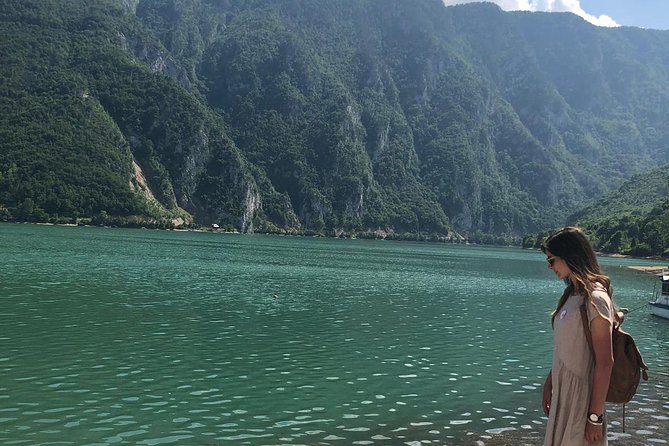
The drive to Srebrenica takes about two and a half hours each way. Much of the route passes through quiet, mountainous eastern Bosnia, with attractive scenery and long stretches of road far from city life.
The journey is not dead time. The guide uses it to explain the complex history behind the genocide. You might find the amount of information demanding, especially if you have done little reading beforehand. One useful preparation is to read a short, reliable account of the breakup of Yugoslavia before departure. You do not need to arrive as an expert, but a basic outline will help you connect names, places, and events.
The winding road also has a practical downside. This is a long day in a vehicle, with around five hours spent on the road. The air conditioning and small-group transport make it more comfortable, but the day can still feel tiring. If you are prone to motion sickness, bring whatever normally helps you.
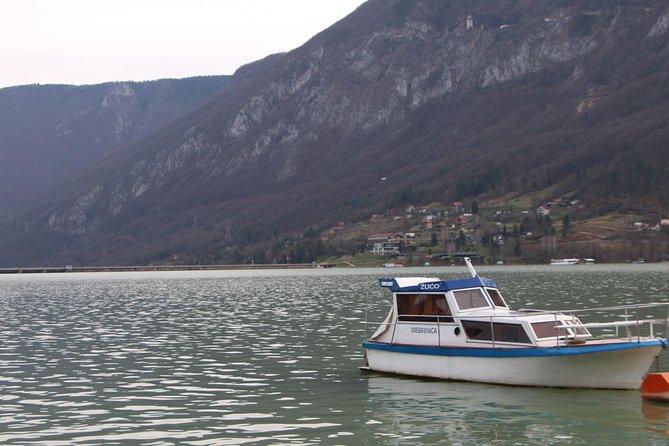
The rural scenery creates a sharp contrast with the subject. Green hills, quiet roads, and peaceful villages do not make the history easier, but they show why Srebrenica can feel so removed from Sarajevo and from the outside world. That distance is part of what the tour helps you understand.
Inside the former UN battery factory
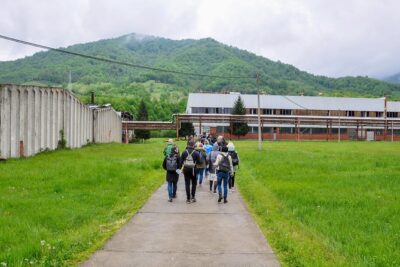
The first major stop is at the former battery factory used by UN forces during the war. The building now contains the Museum of Srebrenica Genocide, one of the most important parts of the day.
The setting is powerful because the museum is not an abstract memorial built somewhere else. It occupies a place tied directly to the wartime events. The former Dutch battalion headquarters gives the visit a strong physical connection to the international presence in Srebrenica.
The museum uses multimedia displays and films to explain what happened before, during, and after the genocide. It also includes intimate stories of victims and survivors. That mix matters. Dates and political decisions provide a framework, but personal accounts show the human cost.
A curator may meet the group and explain the survival story of the Srebrenica enclave. The exact flow can vary, but you should have time to look through the displays rather than being hurried from one panel to the next. One guide, Adis, was particularly flexible when the group needed extra museum time, even though the return was later than planned.
This is the section where the volume of information can feel greatest. You are learning about the fall of Yugoslavia, the war in Bosnia, the international response, the genocide, and the aftermath in one day. Take your time. You do not need to memorize every detail for the visit to be worthwhile.
A few more Sarajevo day trips to weigh up
- Sarajevo: Mostar, Konjic, Blagaj Tekke, Pocitelj & Waterfall
★ 4.9 · 1,335 reviews - Fall of Yugoslavia, Sarajevo War Tour with Tunnel of Hope Museum and Frontlines
★ 5.0 · 1,314 reviews - Sarajevo: Mostar, Konjic, Sufi House, Pocitelj & Kravice Falls
★ 5.0 · 1,179 reviews - ROSES OF SARAJEVO (Official WAR + CITY tour)- Story of a Survivor
★ 5.0 · 770 reviews
The memorial room and Potočari cemetery
From the museum, the tour continues to the memorial room. A local journalist’s recordings and stories give attention to the victims and also address the people responsible for the massacre.
That last point is important. A serious memorial should not reduce the story to anonymous suffering. The room links individual lives to the actions and decisions that caused the crime. The result is painful, but it gives the history moral and human clarity.
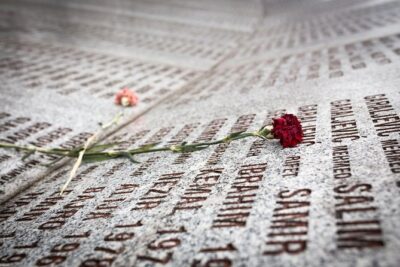
The cemetery at Potočari is the quietest part of the visit. Identified victims are buried beneath rows of white gravestones, and the number given for the cemetery is 6,575, with identifications continuing over time. The scale is difficult to process from a distance, so allow yourself time to walk slowly, read names, and sit with the silence.
You should dress and behave as you would at any place of mourning. This is not a photo opportunity, although you may take photographs where permitted and appropriate. Keep your voice low and follow the guide’s instructions.
Several guides have included a prayer or a quiet moment at the cemetery. The tone is respectful rather than theatrical. That restraint is one of the tour’s strengths. You are given facts, personal stories, and room to think, rather than being pushed toward a particular emotional response.
Srebrenica town and the included lunch
After Potočari, the route continues into Srebrenica itself. Once an industrial center in the area, the town is now much quieter and more diminished than its former role suggests.
Seeing the town adds context. The memorial does not exist in isolation. Srebrenica is also a living place, shaped by loss, displacement, return, and economic decline. The quiet streets can be unsettling, especially after the museum and cemetery.
Lunch is scheduled in Srebrenica. The tour includes a traditional Bosnian sausage sandwich at the start, along with bottled water, while additional food and drinks are not included unless specified. The supplied information describes the sandwich as the included meal, and vegetarian food can be requested. If you have dietary needs beyond that, tell the operator before the day begins.
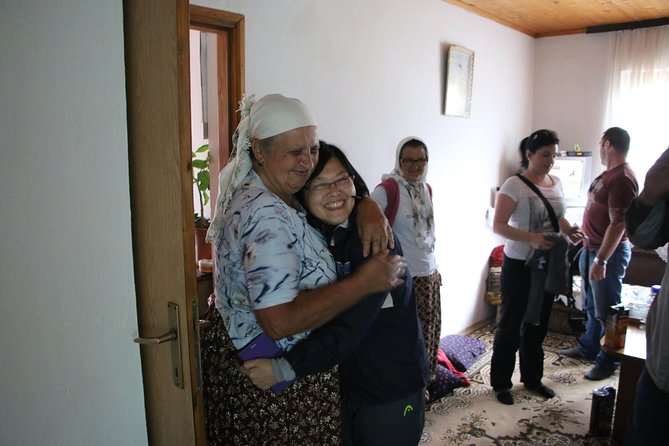
Some tour accounts describe a warm welcome and homemade Bosnian food with a local family. That sounds like a valuable addition, but you should not assume it is part of every departure unless it is confirmed when you book. The standard details specifically promise the sandwich, not a full home-cooked lunch.
What guides add to the visit
The guide is the heart of this tour. The route itself is worthwhile, but the quality of the explanation determines whether the day feels confusing or illuminating.
Adis has been praised for combining personal experience with a good sense of humor and a friendly manner. Adnan has been described as an activist who can answer questions about both the war and present-day Bosnia and Herzegovina. Ömer has explained the conflict with passion and personal memory, while Ibrahim, Edin, Danijela, Kenan, and Yasimov have also led highly regarded departures.
Guide assignments can change, so you cannot book with certainty around one particular person unless the company confirms it. What you can reasonably expect is an English-speaking driver and tourist guide who handles the road, the schedule, and the historical explanation.
The guides have also been praised for answering awkward questions without becoming defensive. That is useful here. The subject includes political disagreement, competing memories, and painful facts. You should feel free to ask questions, but remember that a respectful tone matters.
Communication from the office is another practical strength. Pickup details are arranged in advance, and the company has followed up after tours. If a Sunday schedule meant an earlier museum closing, the office contacted the participant afterward to apologize and check that the day had still gone well. That suggests a company willing to address problems rather than ignore them.
Is $82.84 good value?
At $82.84 per person, this is not the cheapest way to reach Srebrenica, but it is a fair price for a 10-hour day from Sarajevo. You are paying for a long round-trip drive, an air-conditioned vehicle, an English-speaking guide, museum and memorial visits, water, a Bosnian sausage sandwich, and hotel pickup and drop-off when needed.
The value is strongest if you are traveling alone or as a couple. Hiring a private car would cost more, and arranging the route independently would leave you responsible for navigation and for finding reliable background information. Public transport would not give you the same structure or guide commentary.
The maximum group size of 12 keeps the price below a private tour while avoiding the feel of a large coach outing. Actual group size can vary, and smaller departures are possible. If you want a completely private pace, ask about that before booking.
The one thing the price does not buy is emotional ease. No transport upgrade can make the memorial comfortable in the ordinary sense. You are paying for access, explanation, and a well-organized route, not entertainment.
Who should book this Srebrenica tour?
I would recommend it to anyone who wants to understand modern Bosnia and Herzegovina rather than only see its prettiest streets. It suits solo visitors particularly well because pickup, transport, and company are arranged, and the small group makes it easier to feel included.
It is also a good choice if you prefer learning through conversation. The guide’s explanations begin on the road and continue at each site, so you can ask about the parts of Yugoslav and Bosnian history that confuse you.
Prepare yourself before going. Read a little, expect a serious day, and do not schedule a demanding evening activity afterward. The material is emotionally heavy, and the long return drive gives you time to think but may leave you tired.
This is less suitable if you want a relaxed nature excursion, a quick memorial photo, or a flexible day with many unrelated stops. Srebrenica deserves attention, and the tour gives it nearly the entire day.
Practical details that shape the day
Confirmation is provided when you book. Free cancellation is available up to 24 hours before the start time, while later cancellations and changes are not accepted. The tour requires a minimum number of participants, so a cancellation by the operator may result in another date, another experience, or a full refund.
Service animals are allowed, and the activity is near public transportation. Most people can participate, but the day includes a long vehicle journey and walking around memorial and museum grounds. If you have mobility concerns, ask the operator for current details before booking.
The experience is offered in English and ends back at the meeting point, with hotel drop-off included at the end. Start time is normally 8 a.m., and pickup can be arranged from all Sarajevo locations.
Should you book it?
Book this tour if you want a serious, guided account of Srebrenica and the Bosnian war, with enough context to understand what you are seeing. The former UN battery factory, multimedia museum, memorial room, cemetery, and quiet town form a strong sequence, while guides such as Adis and Adnan add personal insight that a self-guided visit may lack.
I would skip it only if you are looking for a cheerful day out or are not ready for painful material. For the right mood, $82.84 is a sensible price for a carefully structured day that connects Bosnia’s past with the country you see today.
FAQ
How long is the Sarajevo to Srebrenica tour?
The tour lasts approximately 10 hours. The drive from Sarajevo to Srebrenica takes around two and a half hours each way.
What time does the tour start?
The usual start time is 8 a.m.
Where does the tour meet in Sarajevo?
The usual meeting point is near the Info Bosnia Tourist Information Center on Ferhadija, beside Sarajevo Meeting of Cultures. The listed meeting point is Velika avlija, Laure Papo Bahorete 2.
Is hotel pickup available?
Yes. Pickup is available from all locations in Sarajevo. If you stay in a private home rather than a hotel, you need to provide a Google Maps location.
What is included in the price?
The price includes an English-speaking driver and tourist guide, air-conditioned car or minivan transport, bottled water, a traditional Bosnian sausage sandwich, hotel pickup when required, and hotel drop-off at the end.
Is a vegetarian meal available?
Yes. A vegetarian sandwich can be requested.
How large is the tour group?
The maximum group size is 12 people. Some departures may be smaller.
Is the tour offered in English?
Yes. The experience is offered in English.
What is the cancellation policy?
You can cancel up to 24 hours before the start time for a full refund. Cancellations or changes made less than 24 hours before the start time are not refunded or accepted.
Just added around Sarajevo
- Strbacki Buk and Una Waterfalls: Day Trip from Sarajevo★ 5.0 · 3 reviews
- Bosnian Kingdom Capitals: Travnik & Jajce Tour from Sarajevo★ 5.0 · 3 reviews
- Walking Tour in Sarajevo★ 5.0 · 3 reviews
- MTB Bjelasnica – Lukomir★ 5.0 · 3 reviews
- Sarajevo Under Siege: A City’s Struggle & Survival Tour★ 5.0 · 3 reviews
- Herzegovina Tour from Sarajevo: Mostar, Počitelj, Blagaj, Kravice★ 5.0 · 3 reviews
- Travnik, Jajce, Pliva Lakes & Mills –Medieval & Ottoman Bosnia Full Day Tour★ 5.0 · 3 reviews
- Tour of Herzegovina – From Sarajevo★ 5.0 · 3 reviews
Srebrenica Genocide Memorial, compared.
From Sarajevo: Srebrenica Genocide Memorial Study Tour
Read our review →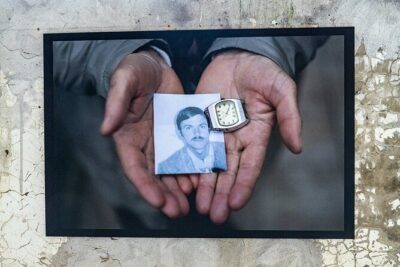
Understanding Srebrenica Genocide Tour + Lunch with Local Family Included
Read our review →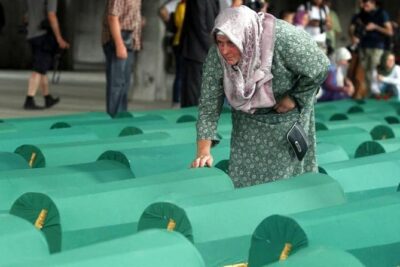
Understanding Srebrenica Genocide – Day tour from Sarajevo
Read our review →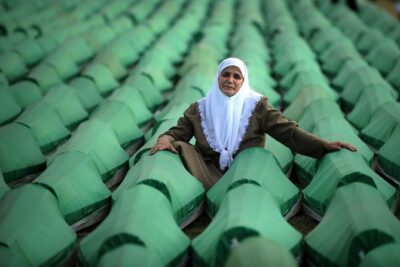
Browse the lists this tour appears in