
Reviewed · SARAJEVO TOURS
Sarajevo Under Siege: A City’s Struggle & Survival Tour
Sarajevo’s wartime story becomes clearest when you see the places that carried the burden: the hillside Yellow Fortress, the exposed road once called Sniper Alley, and the narrow Sarajevo Tunnel that kept the city connected during the siege. This tour links those places into one readable story, rather than leaving you to piece together dates and names on your own.
I like the small group limit of 10, which gives you a better chance to ask direct questions. I also like the route’s balance: the War Tunnel supplies a physical reminder of daily survival, while the guide explains Yugoslavia’s breakup, the Dayton peace accords, and life in Bosnia today. The subject is painful, so be ready for a serious afternoon rather than a light sightseeing outing.
Key points at a glance
- The Yellow Fortress sets the scene: Begin with a broad view of Sarajevo and an introduction to the siege.
- Sniper Alley makes geography matter: See why certain city roads became so dangerous during the war.
- The Olympic stadium has a darker second chapter: Connect Sarajevo’s 1984 international welcome with the destruction that followed.
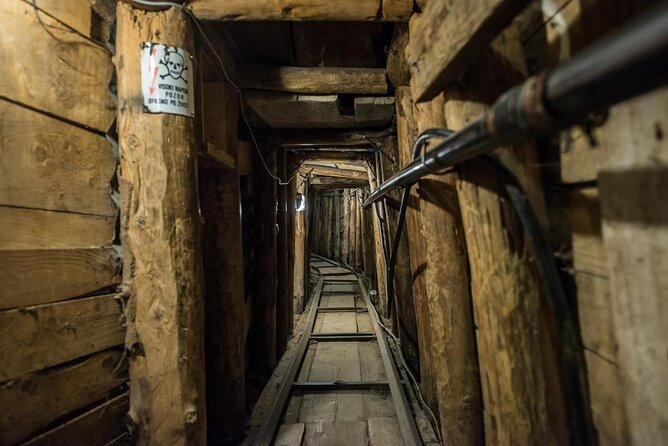
- The War Tunnel is the tour’s physical centerpiece: Spend about 50 minutes at the museum built around the wartime passage beneath the airport.
- The Jewish Cemetery adds another layer: Learn how this historic site figured in the siege.
- A local guide handles the difficult context: The tour covers Yugoslavia’s breakup, Bosnia’s mixed population, the Dayton agreement, and present-day life.
Start in central Sarajevo at 10:30 am
You meet at the Toureedoo Sarajevo City Tours office at S.H. Muvekita 7, in central Sarajevo. The tour begins at 10:30 am and returns to the same meeting point after about three and a half hours.
That setup is useful if you are staying in central Sarajevo and want a clearly defined morning activity. Transportation is included, so you are not left trying to connect several outlying sights by taxi or local bus. The group can have no more than 10 people, a practical size for a subject that works best when you can hear the guide and ask questions.
The local guides associated with this experience include Safet and Adnan. Their approach, judging from the detailed praise attached to their work, leans toward friendly conversation as well as instruction. Adnan is described as helpful, warm, and good company, while Safet is praised for offering a strong private introduction to Sarajevo. Guide assignments can change, so do not book on the assumption that one specific person is guaranteed.
More Sarajevo war and siege history tours:
- Fall of Yugoslavia, Sarajevo War Tour with Tunnel of Hope Museum and Frontlines
★ 5.0 · 1,314 reviews - Tunnel Museum: Bosnian & Yugoslav Wars Tour with War Veteran
★ 5.0 · 551 reviews - Sarajevo War Tour: A Veteran’s Story of the Siege (fees included)
★ 5.0 · 326 reviews
The Yellow Fortress gives the siege a physical setting
The Yellow Fortress is a smart first stop. From here, you can look across Sarajevo and begin to understand the city’s shape, its hills, and the relationship between the built-up center and the surrounding heights.
The stop lasts about 15 minutes. That is not long, but it is enough for the guide to explain why the position mattered and to introduce the siege of Sarajevo from a geographic point of view. A map can tell you that the city was surrounded. A high viewpoint helps you grasp what that meant.
I like beginning here because it gives the rest of the tour a frame. When the guide later discusses roads, cemeteries, the airport, or the tunnel, you already have a sense of where those places sit. You are not simply collecting grim sites. You are building a picture of a city hemmed in by its own terrain.
The tradeoff is that the stop is brief. If you want long time for photographs or a leisurely view of Sarajevo, this is not designed for that. The purpose is orientation, not a relaxed lookout visit.
Sniper Alley shows why an ordinary road became terrifying
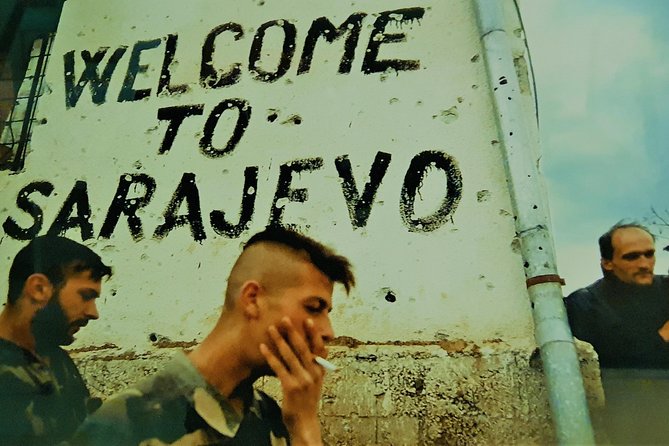
The route includes Sniper Alley, described as the most dangerous street during the siege. The name is familiar from accounts of Sarajevo, but seeing the road in the context of the city makes the phrase less abstract.
Here, the guide can connect the street to the daily choices people had to make during the war. A road that once linked parts of normal urban life became a place where movement carried extreme danger. The value of this stop comes from that contrast: you are looking at an urban thoroughfare, yet the guide explains how ordinary errands, aid runs, and attempts to cross town became acts of risk.
The available details do not assign a fixed length to this stop, so the amount of time may depend on traffic and the guide’s pacing. That is worth knowing if you prefer a tightly timed visit at every location. This is an interpretive stop, not a museum with a long indoor visit.
Sarajevo’s Olympic stadium carries two very different memories
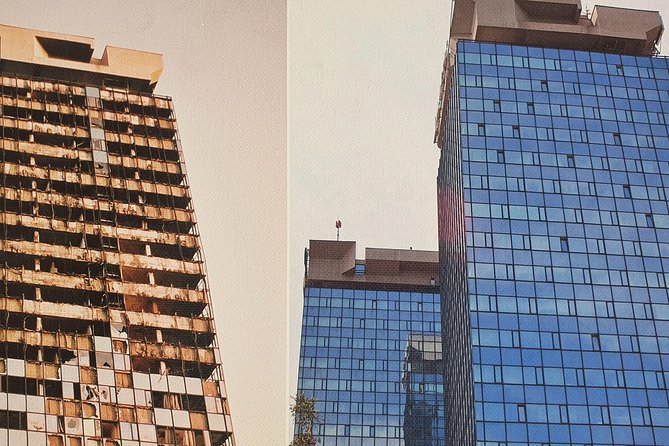
At Asim Ferhatovic Hase Stadium, the guide explains the Sarajevo Olympics and what happened to the stadium that hosted the opening ceremony in 1984. The visit lasts around 15 minutes.
This is one of the most effective contrasts in the route. The Olympics represented Sarajevo as a welcoming international city. The later war forced the same place into a very different role and memory. You get a quick lesson in how fast public life can change, and how a landmark can carry both celebration and loss.
The stop also keeps the tour from becoming only a sequence of military locations. Sarajevo’s story did not begin with the siege. The city had a modern civic identity, major international attention, and a life built around sport, culture, work, and neighborhood routines. That wider view matters.
Again, expect a concise explanation rather than an extended stadium tour. The itinerary gives this stop 15 minutes, so the guide’s storytelling is the main attraction.
A few more Sarajevo day trips to weigh up
- Sarajevo: Mostar, Konjic, Blagaj Tekke, Pocitelj & Waterfall
★ 4.9 · 1,335 reviews - Sarajevo: Mostar, Konjic, Sufi House, Pocitelj & Kravice Falls
★ 5.0 · 1,179 reviews - ROSES OF SARAJEVO (Official WAR + CITY tour)- Story of a Survivor
★ 5.0 · 770 reviews - Sarajevo: Mostar, Konjic, Počitelj, Sufi House, & Waterfalls
★ 4.9 · 572 reviews
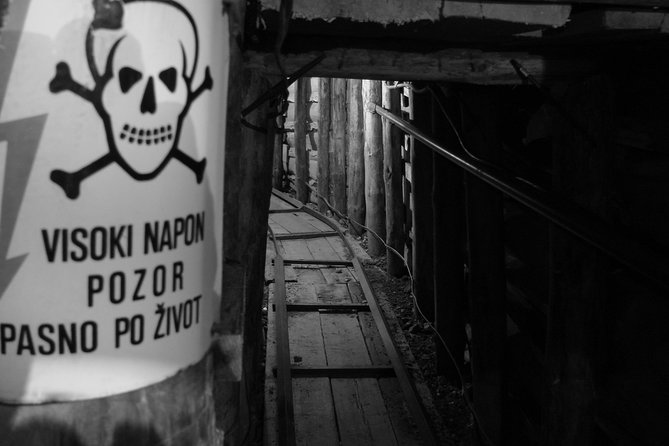
The Sarajevo War Tunnel is the tour’s central experience
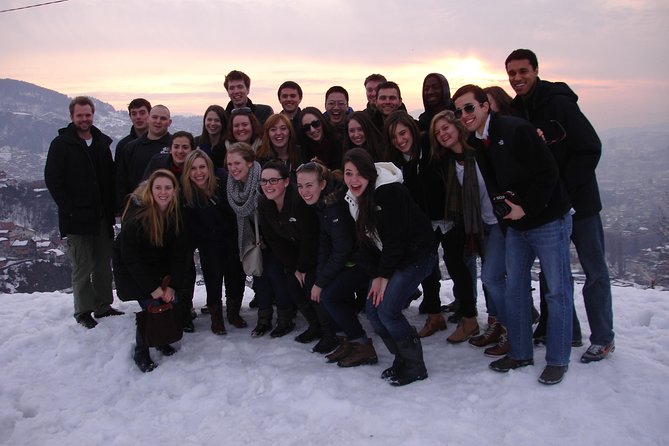
The Sarajevo War Tunnel, also called the Tunnel of Hope, receives about 50 minutes and includes admission. This is the longest stop, and rightly so.
The tunnel was dug during the Bosnian War beneath the airport area. It served as Sarajevo’s only connection with the rest of the world, making it a vital route for people and supplies during the siege. At the museum, you can see part of the passage and learn how the tunnel functioned within the city’s survival.
Its physical scale is important. You are not merely hearing that Sarajevo was cut off. You are confronted with the cramped nature of the route that helped keep the city supplied and connected. The museum gives the guide a solid place to explain logistics, civilian life, and the wider war.
Fifty minutes is enough to make this more than a quick photo stop. It also means the tour’s pace changes here. Earlier viewpoints and roadside explanations prepare you, while the tunnel museum gives you time to absorb the story in a more concrete setting.
The tunnel can be emotionally heavy. That is not a flaw, but you should know the tone before booking. This tour deals with siege conditions, death, fear, and the hard compromises of wartime life. It is best approached with patience and respect, not as a rapid checklist of attractions.
The Jewish Cemetery adds a less familiar wartime perspective
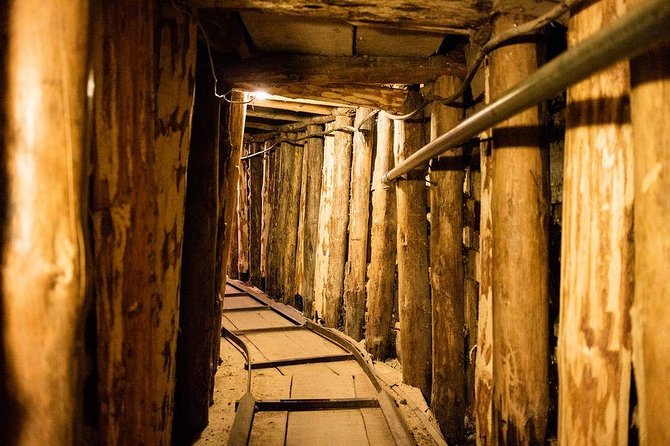
The Jewish Cemetery is another 15-minute stop. The guide explains its role during the siege, adding a layer to Sarajevo’s religious and civic story.
This matters because Bosnia is often described as a small Yugoslavia, a country where several communities, identities, and political interests lived close together. The tour uses Sarajevo to explain why Bosnia paid such a high price during the breakup of Yugoslavia and why finding a solution in the 1990s proved so difficult.
The cemetery also helps you see the war through the city’s existing spaces. Sarajevo’s past is not confined to a single museum. Roads, stadiums, hills, and burial grounds all became part of the conflict. A short stop here can broaden your understanding of how the siege affected the whole city.
Since the stop lasts about 15 minutes, you should expect an explanation from the guide rather than extensive time to explore. Keep the focus on the historical role of the site and listen closely to the context provided.
The guide’s explanation matters as much as the locations
This experience is not simply a drive around war memorials. Its real value comes from having someone connect the places to the breakup of Yugoslavia, the causes of the conflict, and the personal effects of war.
The guide is also expected to explain why Bosnia is called a small Yugoslavia and why independence brought such a high price. Those subjects can become confusing quickly. A good guide can help you separate the end of Yugoslavia, Bosnia’s political divisions, the siege itself, and the later peace settlement.
The tour also addresses the Dayton peace accords and present-day life in Bosnia and Herzegovina. That is important. Stopping the story in 1995 can leave you with the false idea that the difficult questions ended when the fighting stopped. The agreement brought peace, but it also created a complicated political system. Understanding that helps explain why Bosnia can feel both united and divided today.
Safet and Adnan are praised for being friendly, helpful, and easy company, qualities that matter on a serious tour. You want clear explanations, but you also want room for questions and a guide who can speak about Sarajevo as a living city rather than only a former war zone.
What the $45.38 price buys you
At $45.38 per person, the price is reasonable if you value transport, a local guide, and entry to the War Tunnel in one half-day experience. The tunnel admission is included, as is transportation between the stops. Meals are not included, but the tour lasts only about three and a half hours, so that omission should not cause much trouble.
The value is strongest if you are new to Sarajevo and want a structured introduction to the siege. You get several locations, a museum visit, and a guide who can explain the political background. Organizing the same route yourself would require transport planning and separate research, while the hardest part is not getting to each place. It is understanding how they fit together.
The price may feel less compelling if you have already spent several days studying the war or have visited the War Tunnel independently. In that case, much of the benefit comes from the guide’s connections between sites, not from novelty at every stop.
With a maximum of 10 people, you are also paying for a more personal format than a large coach outing. The tour is not advertised as private, but the group cap should make conversation easier.
Who will get the most from this Sarajevo tour
I would recommend this tour to you if you want a serious introduction to Sarajevo’s recent past without spending a full day away from the center. It suits first-time visitors, people interested in modern European history, and anyone who wants help understanding Bosnia beyond a simple old-town visit.
It is also a good choice if you prefer places with human meaning over a long list of attractions. The Yellow Fortress, Sniper Alley, the stadium, the tunnel, and the cemetery are not presented as isolated photo stops. Together, they show how a city’s streets and public spaces were reshaped by war.
You should think twice if you want a cheerful sightseeing outing or a flexible schedule with lots of free time. The tour is focused, serious, and guided. The brief stops may also disappoint you if you want to linger at each location.
Wear practical shoes and be prepared for movement between outdoor viewpoints and the museum. The provided information says most people can participate, but it does not give detailed accessibility information, so contact the provider before booking if you have specific mobility needs.
Free cancellation is available if you cancel at least 24 hours before the local start time. Changes or cancellations made inside that window are not accepted for a refund.
Should you book Sarajevo Under Siege?
Book it if you want the Sarajevo Tunnel explained within a larger story of siege, Yugoslavia’s breakup, and Bosnia’s difficult peace. The combination of the Yellow Fortress viewpoint, Sniper Alley, the Olympic stadium, Jewish Cemetery, and the tunnel gives you more context than visiting one museum alone.
I especially like the route for a first Sarajevo visit because it answers the questions you are likely to have as you look around the city: why the hills mattered, how people stayed connected, what happened to the Olympic city, and why Bosnia’s political situation remains complicated.
Skip it if you have already studied the subject in depth and prefer to explore independently. For most visitors, though, the small group, included transportation, tunnel admission, and strong guide-led storytelling make $45.38 a fair price for a clear and sobering introduction.
FAQ
How long does the Sarajevo Under Siege tour last?
The tour lasts approximately 3 hours and 30 minutes.
Where does the tour start and end?
It starts at the Toureedoo Sarajevo City Tours office at S.H. Muvekita 7 in Sarajevo. The activity ends back at the same meeting point.
What time does the tour begin?
The stated start time is 10:30 am.
Is admission to the Sarajevo War Tunnel included?
Yes. Entrance to the Sarajevo War Tunnel is included, along with transportation and a tour guide.
Are meals included?
No. Meals are not included in the tour price.
How many people can join the tour?
The group is limited to a maximum of 10 people.
Just added around Sarajevo
- Strbacki Buk and Una Waterfalls: Day Trip from Sarajevo★ 5.0 · 3 reviews
- Bosnian Kingdom Capitals: Travnik & Jajce Tour from Sarajevo★ 5.0 · 3 reviews
- Walking Tour in Sarajevo★ 5.0 · 3 reviews
- MTB Bjelasnica – Lukomir★ 5.0 · 3 reviews
- Herzegovina Tour from Sarajevo: Mostar, Počitelj, Blagaj, Kravice★ 5.0 · 3 reviews
- Travnik, Jajce, Pliva Lakes & Mills –Medieval & Ottoman Bosnia Full Day Tour★ 5.0 · 3 reviews
- Tour of Herzegovina – From Sarajevo★ 5.0 · 3 reviews
- The Siege of Sarajevo Tour★ 5.0 · 3 reviews
Sarajevo Tours, compared.
Sarajevo: Mostar, Konjic, Blagaj Tekke, Pocitelj & Waterfall
Read our review →
Fall of Yugoslavia, Sarajevo War Tour with Tunnel of Hope Museum and Frontlines
Read our review →
Sarajevo: Mostar, Konjic, Sufi House, Pocitelj & Kravice Falls
Read our review →
Sarajevo: 2 Hours Old Town Walking Tour With Local Guide
Read our review →
Sarajevo: Mostar, Konjic, Dervish House, Pocitelj & Kravica Falls
Read our review →
From Sarajevo: Srebrenica Genocide Memorial Study Tour
Read our review →
Mostar,Kravica Waterfall,Blagaj,Počitelj – Day Tour from Sarajevo
Read our review →
Sarajevo War Tour: A Veteran’s Story of the Siege (fees included)
Read our review →Browse the lists this tour appears in