
Reviewed · SARAJEVO TOURS
Bosnian Cooking Lessons
Sarajevo’s best food lesson may be the one that asks you to stretch paper-thin dough after a glass of Herzegovina wine. With Mersiha and Mustafa, you prepare stuffed Bosnian vegetables and handmade burek in their home, then sit down to eat what you made.
I like the warm, personal setting, and I like that you leave with recipes and step-by-step videos so the meal does not end when you fly home. The panoramic view over Sarajevo is another fine touch. The main consideration is the climb: one couple walked about 40 minutes uphill from the city center, so ask about transport if you prefer not to walk.
Key points at a glance
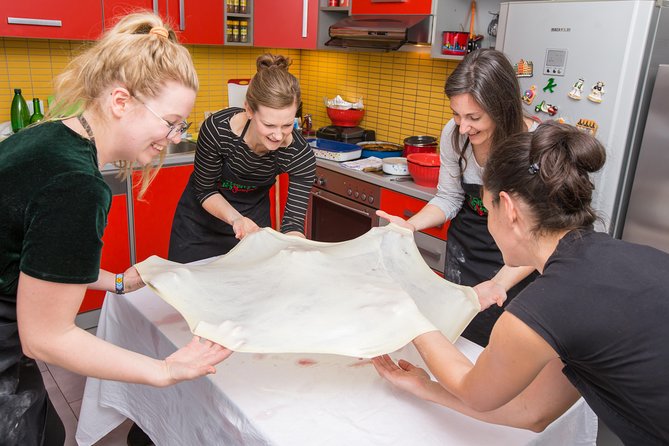
- Four classic dishes in one lesson: Prepare sogan dolma, japrak, dolma, and burek.
- Burek is the hands-on challenge: Learn how phyllo dough is stretched, filled, rolled, and baked.
- A home kitchen, not a restaurant classroom: Mersiha and Mustafa share their home, stories, and food traditions.
- Wine is part of the lesson: Herzegovina wine, soft drinks, coffee, and tea are served as you cook.
- A small group keeps it personal: The class accepts no more than 13 people.
- Useful take-home material: Recipes and step-by-step videos are sent after the class.
Why this four-hour Sarajevo class feels personal
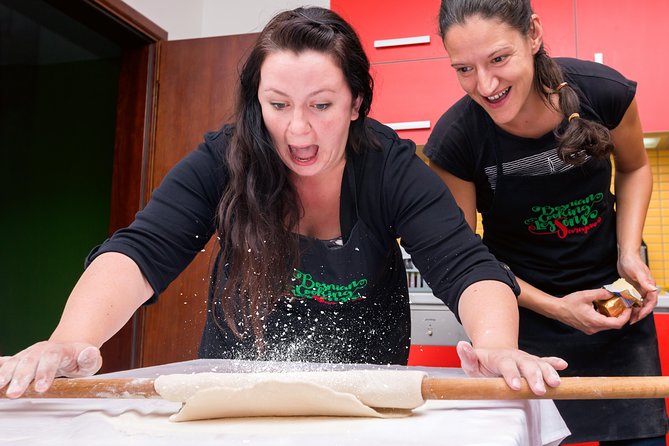
Many food classes show you a finished plate and offer a quick demonstration. This one puts your hands into the work. You fill vegetables, roll leaves, and handle the delicate dough for burek while Mersiha explains each stage.
The class takes place in the home of Mersiha and her husband, Mustafa. That setting changes the mood. You are not simply passing through a commercial kitchen. You are being welcomed into a private space, with time for conversation about Bosnian food, daily life, Sarajevo, and local recommendations.
That personal welcome is one of the strongest reasons to book. Solo visitors can expect plenty of attention, and one solo participant especially appreciated Mersiha’s patience, clear English, and thoughtful photos during the class. If you are shy about joining a cooking lesson alone, this format should feel easier than a large, formal group.
The setting also gives the experience a social rhythm. You arrive, have a welcome drink, coffee, or tea, meet your hosts, and take in the city view before the cooking begins. Afterward, you eat together and have time to ask questions. At roughly four hours, it is long enough to feel like an afternoon visit rather than a rushed activity.
A few more Sarajevo day trips to weigh up
- Traditional Bosnian Cooking Class in Mostar with Lunch and Drinks
★ 5.0 · 16 reviews
The first stage: three kinds of stuffed vegetables
The first cooking section covers three dishes built around a familiar Bosnian idea: vegetables filled with a seasoned mixture of minced meat and rice.
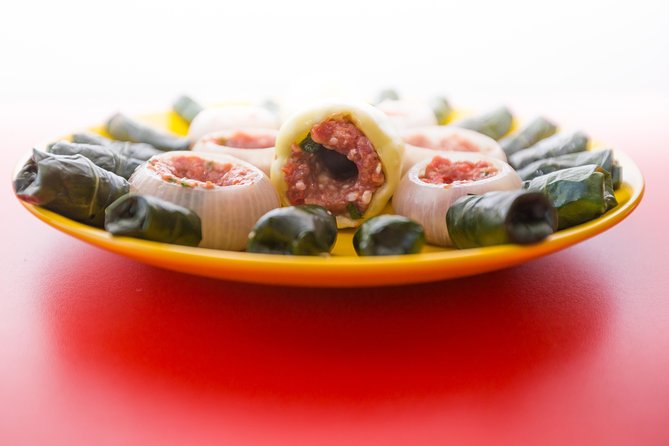
You begin with sogan dolma, onions filled with minced meat, rice, and spices. Onions are not the easiest vegetable to handle, so this dish gives you a useful introduction to the care needed when filling and shaping food. You learn how the ingredients work together rather than simply tasting the finished result.
Next comes japrak, made with mangel or spinach leaves rolled around the same general filling. The leaves bring a different texture and require a lighter touch. This is the sort of detail that makes a cooking class worthwhile. At home, you can understand why one leaf needs gentle handling while another can take more pressure.
The third preparation is dolma, paprika filled with minced meat, rice, and spices. You get to compare the three forms side by side: onion, leaf, and pepper. The ingredients overlap, but the preparation and final texture differ.
I like this part because it presents a small lesson in Bosnian home cooking without turning into a lecture. You see how one filling can be adapted across several vegetables, and you gain recipes that are practical enough to try in your own kitchen.
The class information uses the word sarma in connection with the food, and the sessions can include filled leaves as part of the meal. The exact seasonal ingredients may vary, especially for the burek filling, so do not expect every class to look identical.
The second stage: stretching dough for burek
The highlight for many people is the burek lesson. Burek uses phyllo dough rolled with a filling that can include potatoes, meat, or cheese, depending on the season.
This is where the class becomes a little theatrical, and the supplied description makes a joke of the fact that wine helps you feel relaxed and brave enough to stretch the dough. There is truth behind the humor. Very thin dough can feel intimidating, especially when you are trying not to tear it.
Mersiha guides you through the process and helps when your hands become too heavy or the dough needs more delicate treatment. You will not simply watch a professional make a perfect spiral. You get to try the work yourself, which is the point.
Burek is a useful dish to learn because its texture depends on technique. A thin, carefully handled dough helps create the crisp layers people expect. Once you have seen how the dough is stretched and rolled, you understand why a homemade burek takes more patience than opening a packet of pastry.
The filling may be potato, meat, or cheese. That seasonal flexibility is practical, but it also means the exact dish is not fixed. If you have a strong preference, ask when booking or before the lesson begins.
Vegetarian and vegan options are available on request. Make that request in advance. The standard stuffed dishes use minced meat, so dietary planning matters here.
Sitting down to dinner with your hosts
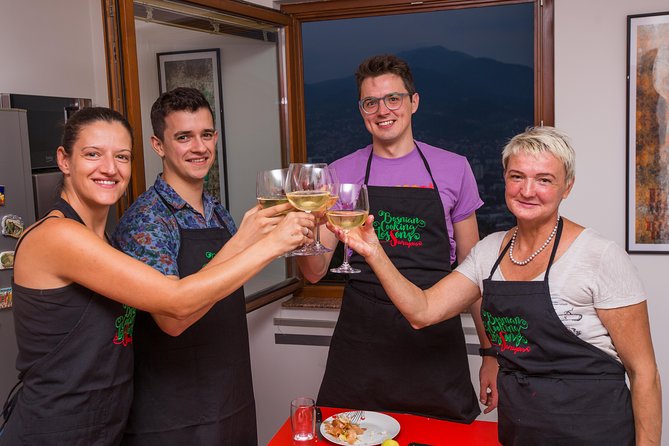
After the cooking is finished, you eat the food you made together. Dinner is included, along with coffee or tea and alcoholic drinks. Herzegovina wine is part of the experience, not an afterthought placed on the table at the end.
The wine adds to the relaxed, social character of the class, but you can also choose soft drinks. If you do drink, pace yourself. The afternoon includes practical work with dough and food preparation, and the purpose is to enjoy the lesson, not to turn it into a drinking session.
The meal gives you time to ask questions. You can talk with Mersiha and Mustafa about Bosnian dishes, local customs, places to visit, and practical matters such as bus travel. Their advice can be especially useful if you have just arrived in Sarajevo and are still deciding how to spend the rest of your stay.
I also like the fact that the meal is made from the class itself. You are not eating a separate restaurant dinner. You can taste the result of each technique while the instructions are still fresh in your mind.
Same base, a completely different day out:
- Sarajevo: Mostar, Konjic, Blagaj Tekke, Pocitelj & Waterfall
★ 4.9 · 1,335 reviews - Fall of Yugoslavia, Sarajevo War Tour with Tunnel of Hope Museum and Frontlines
★ 5.0 · 1,314 reviews - Sarajevo: Mostar, Konjic, Sufi House, Pocitelj & Kravice Falls
★ 5.0 · 1,179 reviews - ROSES OF SARAJEVO (Official WAR + CITY tour)- Story of a Survivor
★ 5.0 · 770 reviews
Sarajevo views and the walk to the house
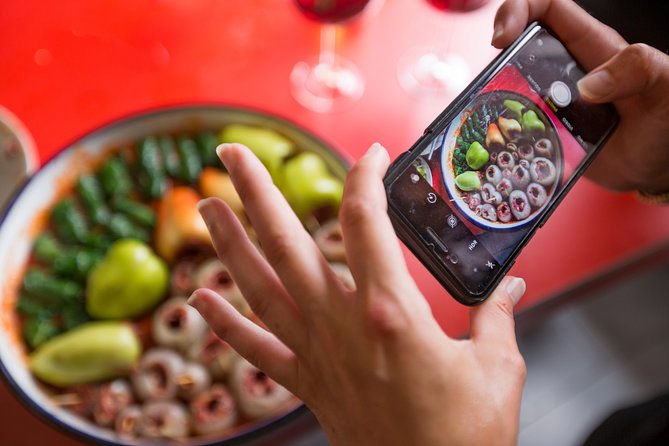
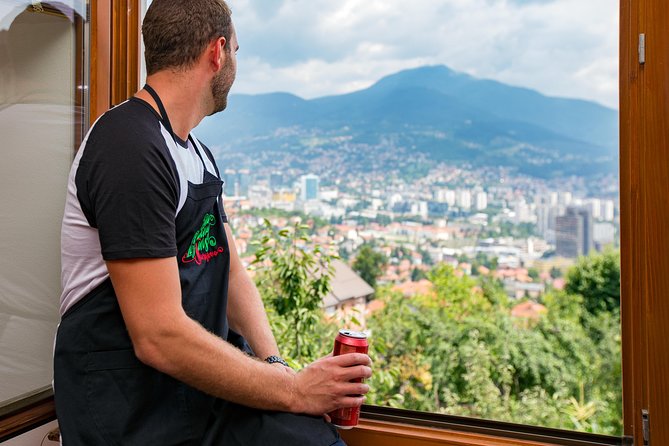
The home offers a panoramic view of Sarajevo. That matters because the city is best understood from above, where its valley setting becomes clear. The view gives you a quiet pause before the kitchen work begins and adds a strong sense of place to the meal.
The meeting point is on Skendera Kulenovića in Sarajevo, and the class starts at 2:30 pm. The activity ends back at the meeting point. Private transportation is not included.
One couple walked from central Sarajevo and reported a journey of about 40 minutes to the house, followed by a downhill walk back with several viewpoints along the way. That can be a pleasant way to connect the class with the city, but you should take the uphill route seriously if you have limited time, mobility concerns, or a hot afternoon.
Another solo participant appreciated pickup and drop-off. Since transportation is not included in the listed price, confirm the current arrangement directly before you go rather than assuming a transfer comes with every booking.
The practical lesson is simple: treat the class as a half-day activity. Allow time to reach the meeting point, enjoy the view, cook without rushing, eat dinner, and return to the center.
What makes the hosts part of the meal
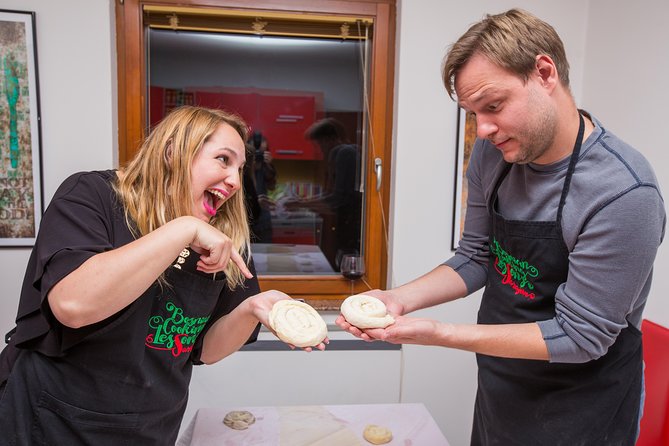
The food is the reason to book, but Mersiha and Mustafa shape the experience. Their role is part chef, part host, and part local contact.
Mersiha is described as patient, friendly, professional, and clear in English. That combination is useful in a class where small movements matter. She can show you how to assemble the stuffed vegetables, explain the dough, answer questions, and step in when your technique needs correcting.
Mustafa adds to the welcoming atmosphere and conversation. Together, they make the class feel like an invitation to share food rather than a simple demonstration. For a solo visitor, that can be a real advantage. You are not left to make small talk with strangers while the instructor races through a recipe.
The hosts also share parts of their life in Bosnia and give suggestions for local activities. This is a modest but valuable extra. A cooking lesson can help you decide what else to see, where to go next, or how to manage a bus journey.
The setting may not suit someone who wants a polished studio, a formal chef uniform, or a fast, highly structured class. You are choosing warmth and conversation over a restaurant-style production.
Is $96.79 a fair price?
At $96.79 per person, this is not a low-cost dinner. It is fair value if you want more than a meal.
The price covers about four hours of instruction, a full dinner, coffee or tea, alcoholic drinks, hands-on preparation, and a small-group setting capped at 13 people. You also take away recipes and step-by-step videos, which gives the activity value after your Sarajevo visit.
The strongest value comes from the combination of food and access. You are learning four recognizable Bosnian preparations, speaking with local hosts, seeing the city from their home, and eating the finished dishes. A standard restaurant meal would be cheaper, but it would not teach you how to make the dough or prepare the filling.
The value is weaker if you mainly want to eat and do not care about cooking. It is also less attractive if your schedule is tight and you cannot spare an afternoon. You should book it for the participation, not just for the dinner.
The class is commonly booked about three weeks ahead, with an average advance booking time of 21 days. That suggests planning ahead is sensible, particularly if you have only a short stay in Sarajevo.
Who should book this cooking lesson?
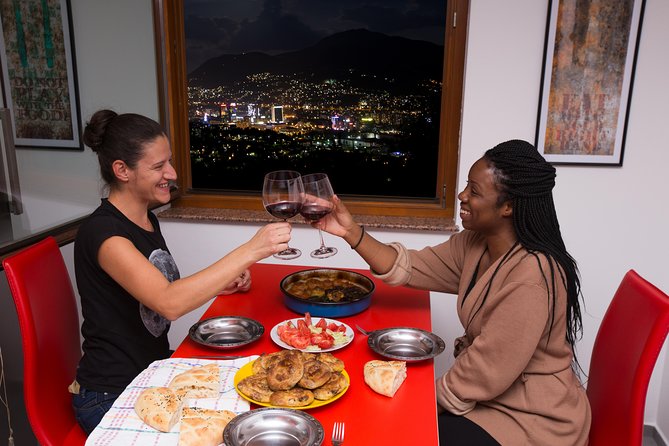
I would recommend it to food-minded visitors who want a local activity with conversation built in. It is a good fit for couples, solo visitors, and small groups who enjoy making something with their hands.
It also suits anyone who wants to recreate a dish at home. The recipes and videos make the lesson more useful than a one-time tasting, and the dishes are distinct enough to give you a proper introduction to Bosnian cooking.
Families may enjoy the stuffed vegetables and dough work, but the food preparation includes minced meat in the standard menu, and alcohol is served. Parents should decide if the format suits their children.
Vegetarians and vegans can request alternatives, but they should do so before arrival. The standard dishes are not vegetarian, so do not wait until you sit down.
This is less suited to people who dislike social meals in private homes, do not drink wine but want a tightly timed class, or have difficulty walking uphill. None of those points makes the activity a bad choice, but they are worth considering before paying.
Booking details and cancellation
The class is a shared activity with a maximum of 13 participants. You receive a mobile ticket, and confirmation is normally issued at booking. If you book within five hours of the start time, confirmation is sent as soon as possible and depends on availability.
Free cancellation is available up to 24 hours before the 2:30 pm start time for a full refund. Changes or cancellations made less than 24 hours before the activity are not accepted for a refund. The cut-off follows Sarajevo local time.
Should you book Bosnian Cooking Lessons?
Yes, if you want to learn dishes that you can make again, meet warm local hosts, and spend an unhurried afternoon in a Sarajevo home. The handmade burek lesson is the main draw, while the stuffed onions, leaves, and peppers give you a broader sense of Bosnian cooking.
Book with two points in mind: transportation is not included, and the route to the home may involve a steep walk. Request vegetarian or vegan food in advance, and reserve ahead if your Sarajevo dates are fixed.
For a visitor who only wants a quick meal, this is more time and money than necessary. For someone who wants food, stories, city views, and a recipe collection to carry home, the $96.79 price is well justified.
FAQ
Where does the Bosnian cooking class take place?
The meeting point is on Skendera Kulenovića, 71000 Sarajevo, Bosnia and Herzegovina. The lesson takes place in the home of Mersiha and Mustafa, and the activity ends back at the meeting point.
What time does the class start?
The start time is 2:30 pm.
How long does the cooking lesson last?
The activity lasts approximately four hours.
What dishes will I learn to prepare?
The class covers sogan dolma, japrak, dolma, and burek. The stuffed dishes use minced meat, rice, and spices, while burek uses phyllo dough with potato, meat, or cheese depending on the season.
Is dinner included?
Yes. Dinner made during the class is included.
Are drinks included?
Coffee or tea and alcoholic beverages are included. Soft drinks are also served during the lesson.
Can I request vegan or vegetarian food?
Yes. Vegan and vegetarian options are available upon request. Make the request before the class.
How many people can join the class?
This is a shared cooking class with a maximum of 13 participants.
Is transportation included?
Private transportation is not included. The meeting point is in Sarajevo, and you should confirm any possible transfer arrangements before the activity.
Can I cancel for a full refund?
Yes, if you cancel at least 24 hours before the 2:30 pm start time. Cancellations or changes made less than 24 hours before the start are not eligible for a refund.
Just added around Sarajevo
- Strbacki Buk and Una Waterfalls: Day Trip from Sarajevo★ 5.0 · 3 reviews
- Bosnian Kingdom Capitals: Travnik & Jajce Tour from Sarajevo★ 5.0 · 3 reviews
- Walking Tour in Sarajevo★ 5.0 · 3 reviews
- MTB Bjelasnica – Lukomir★ 5.0 · 3 reviews
- Sarajevo Under Siege: A City’s Struggle & Survival Tour★ 5.0 · 3 reviews
- Herzegovina Tour from Sarajevo: Mostar, Počitelj, Blagaj, Kravice★ 5.0 · 3 reviews
- Travnik, Jajce, Pliva Lakes & Mills –Medieval & Ottoman Bosnia Full Day Tour★ 5.0 · 3 reviews
- Tour of Herzegovina – From Sarajevo★ 5.0 · 3 reviews
Sarajevo Tours, compared.
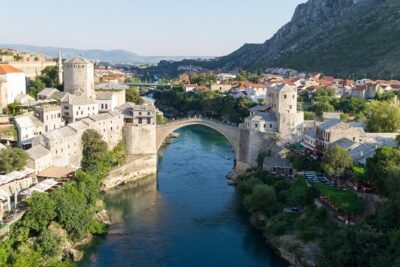
Sarajevo: Mostar, Konjic, Blagaj Tekke, Pocitelj & Waterfall
Read our review →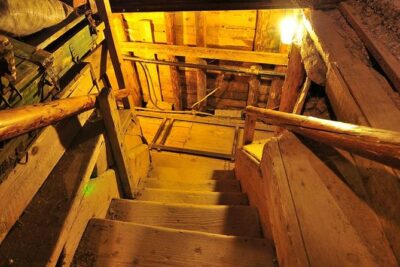
Fall of Yugoslavia, Sarajevo War Tour with Tunnel of Hope Museum and Frontlines
Read our review →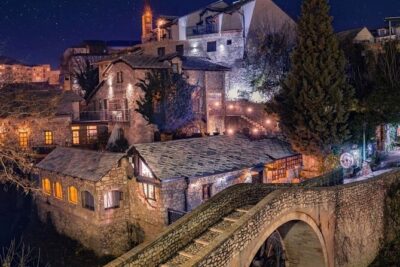
Sarajevo: Mostar, Konjic, Sufi House, Pocitelj & Kravice Falls
Read our review →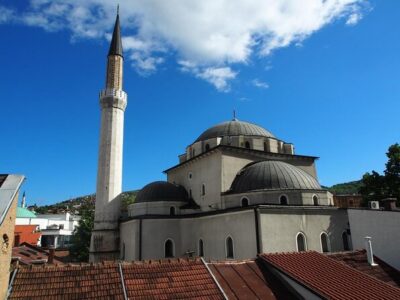
Sarajevo: 2 Hours Old Town Walking Tour With Local Guide
Read our review →
Sarajevo: Mostar, Konjic, Dervish House, Pocitelj & Kravica Falls
Read our review →
From Sarajevo: Srebrenica Genocide Memorial Study Tour
Read our review →
Mostar,Kravica Waterfall,Blagaj,Počitelj – Day Tour from Sarajevo
Read our review →
Sarajevo War Tour: A Veteran’s Story of the Siege (fees included)
Read our review →Browse the lists this tour appears in