
Reviewed · SARAJEVO TOURS
War Times Experience in Sarajevo – Half Day Tour
Sarajevo’s war is not sealed away in a museum. You see its scars from city streets, hillside positions, cemetery slopes, and the ruins above town. This half-day tour connects those places and explains how the siege of Sarajevo shaped daily life between 1992 and 1996.
I like the personal scale of the trip, with no more than eight people and a guide who can adjust the conversation to your questions. I also like the route itself: Sniper Alley, Trebević Mountain, the Yellow Fortress, and the War Tunnel each show a different side of the conflict. The main drawback is that the €10 tunnel admission costs extra, and the subject matter is serious rather than light sightseeing.
Key points about the Sarajevo war tour
- Sniper Alley puts the siege into a real city setting: You see the street where civilians faced sniper fire rather than learning about it only from maps.
- Trebević Mountain reveals the attackers’ positions: Hotel ruins and former command posts overlook the city from the first line of the siege.
- The War Tunnel explains survival logistics: The short presentation shows how the tunnel connected besieged Sarajevo with the outside world.
- Four entity crossings add a strange modern detail: The route crosses between the Federation of Bosnia and Herzegovina and Republika Srpska several times.
- Small-group transport keeps the visit focused: The vehicle holds a maximum of eight people and includes air-conditioning, Wi-Fi, and bottled water.
- The $35 price is reasonable for a private half-day: You are paying for transport, a driver-guide, and several separate sites, but tunnel admission is not included.
Why this half-day tour matters in Sarajevo
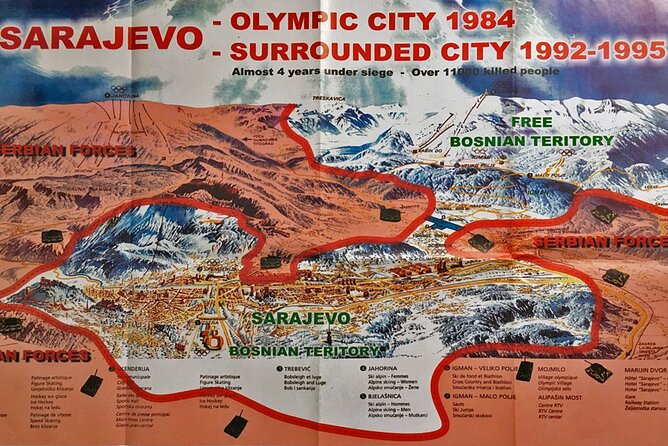
You can walk Sarajevo’s streets and notice shell damage, cemeteries, and hills without understanding how they fit together. This tour gives you that missing map. It links the city center to the slopes, the front line, and the tunnel route that helped people endure the siege.
That connection is the strongest reason to book it. The experience is not simply a ride to four viewpoints. It shows how geography affected the war. The surrounding hills offered commanding positions, the city floor became exposed to sniper fire, and the tunnel became a vital route for supplies and movement.
The format also helps you handle a difficult subject in a limited amount of time. The tour lasts about three to four hours, so you get a clear introduction without giving up an entire day. I would schedule it early in your Sarajevo stay if the war is one of your main interests. It can help you understand later visits to the city’s museums, cemeteries, and memorials.
The guide matters here. The experience is conducted in English, and guide Emir is specifically praised for explaining the subject carefully and answering questions in detail. Another guide account highlights personal wartime memories and decent English. You should expect the quality of the experience to depend partly on who leads your departure, but the small group makes it easier to ask for clarification than on a large coach tour.
A few more Sarajevo day trips to weigh up
- Sarajevo: Mostar, Konjic, Blagaj Tekke, Pocitelj & Waterfall
★ 4.9 · 1,335 reviews - Fall of Yugoslavia, Sarajevo War Tour with Tunnel of Hope Museum and Frontlines
★ 5.0 · 1,314 reviews - Sarajevo: Mostar, Konjic, Sufi House, Pocitelj & Kravice Falls
★ 5.0 · 1,179 reviews
Sniper Alley and the Jewish Cemetery
One of the most powerful parts of the route is the stop near the Jewish Cemetery. You see the area from which snipers were positioned during the siege and learn why the infamous road became known as Sniper Alley.
The value of this stop is its direct connection to ordinary city life. This was not an isolated military zone far from homes. Civilians crossing streets, collecting supplies, or trying to reach work could be exposed to fire from the surrounding heights. Your guide explains the positions and the danger, turning a road name into something concrete.
The stop at the cemetery lasts about 15 minutes, and admission is free. That is enough time for a focused explanation and a look at the terrain. Do not expect a long cemetery visit or an extended memorial ceremony. The point is to understand the military view from the hills and the vulnerability of the people below.
This is also where the route begins to show why Sarajevo’s geography mattered so much. The city sits in a long valley, with high ground around it. From above, roads and neighborhoods became visible targets. From below, the hills shaped nearly every movement.
I appreciate that the tour does not treat the cemetery only as a photo stop. The guide uses it to explain the siege, and the stop works best when you pay attention to the relationship between the road, the slopes, and the urban neighborhoods.
Trebević Mountain and the ruined hotel
The drive continues toward Trebević Mountain, a key position along the first line during the Bosnian War. Here, you visit hotel ruins that were once connected with the main positions and command center of the forces surrounding Sarajevo.
The ruins give you a physical sense of the war’s reach. A hotel is normally linked with leisure, views, and visitors. Seeing its damaged remains in a former military setting creates a sharp contrast. You are not just hearing that the hills were used for firing positions. You are standing near structures tied to those positions.
The stop lasts about 15 minutes and does not require an admission ticket. Because the time is brief, the guide’s explanation is important. Ask questions if you want to know more about how the site related to the city below, since the private format allows room for that conversation.
Trebević also helps explain the route’s odd political detail. You cross an imaginary border between Bosnia and Herzegovina’s two entities, the Federation of Bosnia and Herzegovina and Republika Srpska, four times while heading toward the mountain.
You do not need a passport. There is no international border checkpoint involved. It is an internal division, but the repeated crossings show how complicated Bosnia and Herzegovina’s political structure remains. The guide presents this with a touch of local absurdity, which offers a small moment of levity during an otherwise grave tour.
Do keep your expectations realistic. The mountain stop is short, and the information provided is tied to the war rather than a broad nature visit. You are not booking a hiking outing or a full mountain excursion. Trebević is included because of its military importance and its view back toward Sarajevo.
The Yellow Fortress and Sarajevo from above
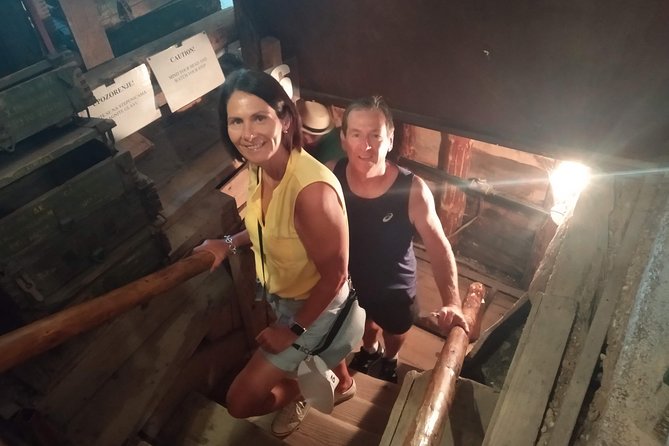
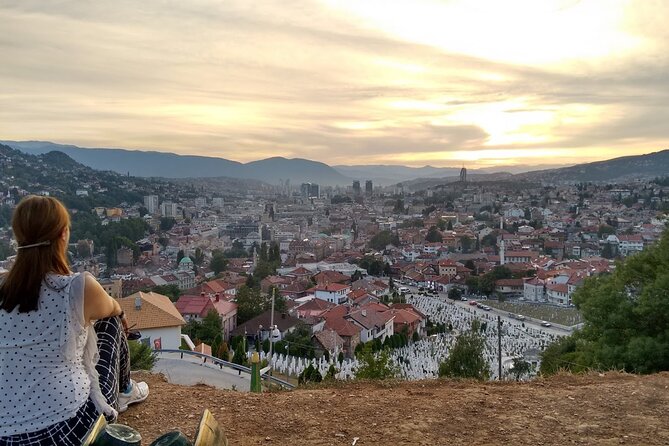
The Yellow Fortress provides one of the best city panoramas on the route. The stop lasts about 15 minutes, and it is used to introduce the tour and explain the siege of Sarajevo.
The view is more than a pleasant pause. From the fortress, you can see the city’s bowl-like setting and an important cemetery connected with the defenders. The panorama helps you read the terrain that shaped the conflict. Hills and roads stop being abstract points on a map, and the city’s exposure becomes easier to grasp.
This is also a useful orientation point if you are new to Sarajevo. The guide can establish where the Old Town sits, how the city stretches through the valley, and why the surrounding heights were so important. If you have already explored Sarajevo on foot, you may recognize streets and neighborhoods from a new angle.
The stop is free, but it is short. You will have time to look, listen, and take photographs, but not to linger at length. I would treat it as a well-placed explanation stop rather than a separate fortress visit.
The emotional tone changes slightly here. The earlier sites focus on danger and military positions. At the Yellow Fortress, the beauty of Sarajevo sits beside the evidence of war. That contrast is uncomfortable, but it is one of the most truthful parts of the experience. The city is attractive today, yet its recent past remains close.
Same base, a completely different day out:
- ROSES OF SARAJEVO (Official WAR + CITY tour)- Story of a Survivor
★ 5.0 · 770 reviews - Sarajevo: Mostar, Konjic, Počitelj, Sufi House, & Waterfalls
★ 4.9 · 572 reviews - Tunnel Museum: Bosnian & Yugoslav Wars Tour with War Veteran
★ 5.0 · 551 reviews - Sarajevo: 2 Hours Old Town Walking Tour With Local Guide
★ 5.0 · 505 reviews
The Sarajevo War Tunnel and the final lesson
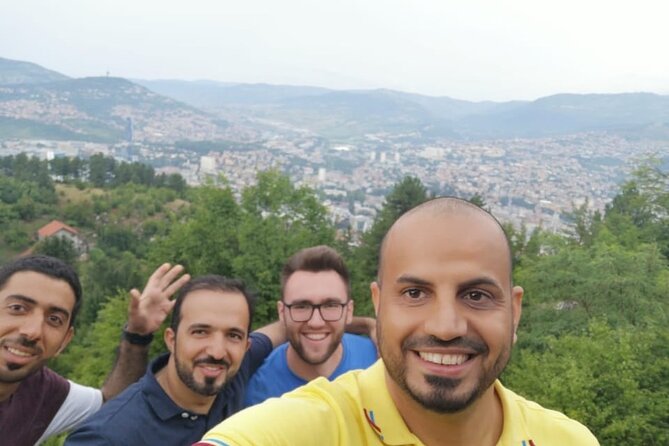
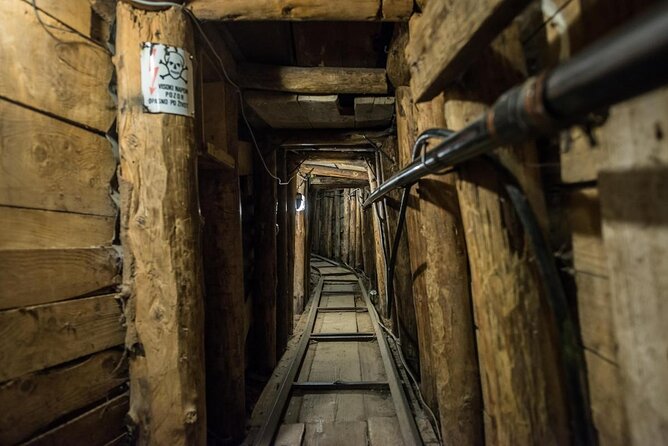
The longest stop is the Sarajevo War Tunnel, also called the Tunnel of Hope. You spend about an hour here, including a short educational visit and presentation about the Bosnian War and the tunnel’s creation.
This is the tour’s central stop for understanding how Sarajevo functioned during the siege. The tunnel was created as a route into and out of the besieged city. Its importance was practical: it helped people and supplies move when normal roads were blocked or too dangerous.
The presentation gives you a concentrated explanation rather than asking you to work out the story from displays alone. That makes the tunnel especially useful if you have limited time in Sarajevo or want a guide to frame what you are seeing.
Admission is not included. The listed cost is €10 per person, so add that to the $35 tour price when comparing options. For the total cost, you receive transport to several sites, an English-speaking guide, a small group, and roughly an hour at the tunnel. I consider that fair value, especially if you would otherwise need to arrange a car or taxi between the city, the mountain, and the tunnel.
The tunnel stop can feel more structured than the outdoor locations. That is not a flaw, but it means the experience shifts from viewing terrain to receiving a compact museum-style explanation. If you want a long, quiet visit or a large collection of exhibits, this half-day tour may feel limited. If you want the basic story connected to the actual route, it fits well.
Because the topic includes civilian suffering and wartime violence, give yourself room afterward. The activity returns to the meeting point, but you may prefer not to schedule another demanding activity immediately after it.
What the $35 price really covers
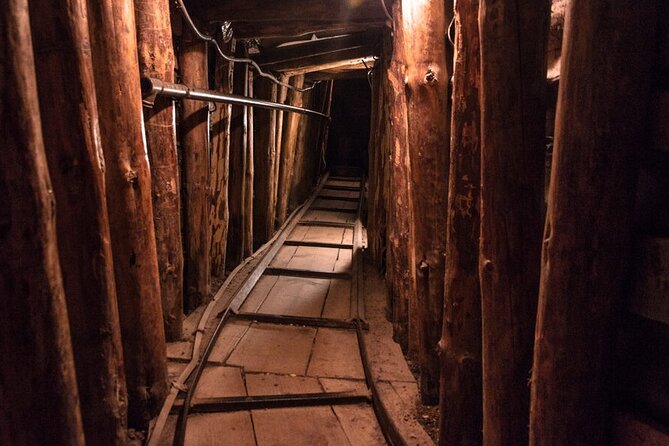
At $35 per person, this is priced as an accessible half-day experience rather than a luxury private car tour. The important word is private, although the group can still include up to eight people. You are not signing up for a large bus with dozens of passengers.
The price includes:
- A driver-guide
- Air-conditioned transportation
- Wi-Fi onboard
- Bottled water
- Hotel pickup when required for eligible locations
- Visits to the Jewish Cemetery, Trebević Mountain, the Yellow Fortress, and the War Tunnel
You pay separately for the War Tunnel admission, listed at €10 per person. Lunch is also not included, though the three to four hour length means you can easily eat before or after.
Onboard Wi-Fi is a practical extra. It keeps you connected between stops, though the real benefit is the comfortable transfer between sites. Air-conditioning matters in warmer months, especially when moving from the city to the mountain and back.
The pickup policy deserves attention. Pickup is offered from hotels in Sarajevo’s Old Town and from hotels along the way to the Tunnel of Hope. The stated meeting point is Kovači 25 in Sarajevo, and the activity ends there. If you stay outside the Old Town, confirm the pickup arrangement before booking rather than assuming every address is covered.
The experience is booked, on average, 11 days ahead. That does not guarantee it will sell out, but it suggests you should reserve ahead if your Sarajevo dates are fixed.
Who will get the most from this experience
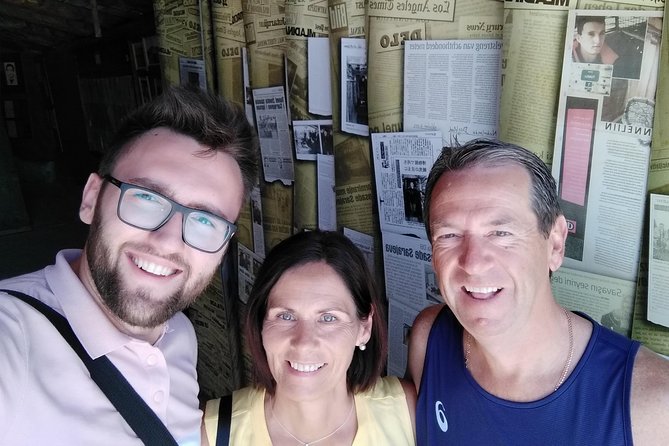
I would choose this tour if you want a strong introduction to the Bosnian War but do not want to spend a full day moving between museums and memorials. It is particularly useful for first-time visitors who need help connecting Sarajevo’s streets with the surrounding hills.
It suits you if you value:
- Clear explanations from an English-speaking guide
- A small group with room for questions
- Several wartime locations in one outing
- Personal stories and local perspective
- Transport between sites
- A balanced mix of city views, ruins, and an indoor presentation
The tour also works well for people with limited time. You see four distinct places in one morning or afternoon, with no need to plan the route yourself.
I would be more cautious if you want a general sightseeing tour of Sarajevo. The focus is the siege and its aftermath, not the city’s Ottoman architecture, Austro-Hungarian buildings, food, or everyday culture. You do see how people live today, but the route is built around war sites.
It may also be intense for younger children, though the supplied participation information says most people can take part and service animals are allowed. The subject is serious, and parents should decide if a detailed wartime account fits their family.
Practical advice before you go
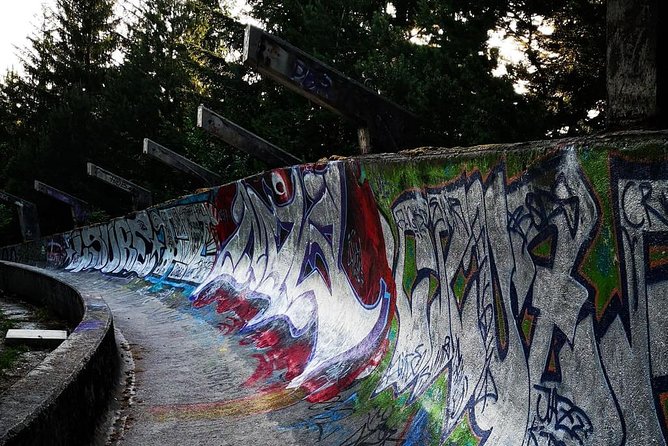
Wear comfortable shoes, since the route includes outdoor stops and ruined sites. The information provided does not specify walking distances or surface conditions, so you should be ready for short visits on uneven ground rather than assuming every stop is a smooth paved viewpoint.
Bring water if you prefer more than one bottle, especially in warm weather. Water is included, and the vehicle is air-conditioned, but you may still appreciate a small snack since lunch is not part of the experience.
Keep your questions ready. The strongest part of a small private tour is the conversation. Guide Emir is specifically praised for handling questions and explaining the subject thoroughly, while another account points to a guide sharing personal wartime memories. Ask about the streets, the hills, and the human side of the siege rather than treating the outing as a series of photo stops.
You should also plan for the full three to four hours. The stated times at the first three stops total only 45 minutes, but the driving and the hour at the tunnel fill out the rest. Traffic and pickup arrangements can affect the exact schedule.
Free cancellation is available if you cancel at least 24 hours before the local start time. Changes or cancellations inside that window are not accepted for a refund, so keep that cutoff in mind when your Sarajevo plans are still shifting.
Should you book the Sarajevo War Times Experience?
Yes, if you want a focused, personal introduction to Sarajevo’s siege. The route covers the places that matter most for understanding the city’s wartime geography, and the $35 price is sensible once you factor in transport, the guide, and the small group.
The tour is especially worthwhile with a guide who can add personal context and respond to questions. Emir’s detailed explanations and wartime perspective are a strong reason to value the human side of the experience, though the exact guide may vary.
Skip it if you are looking only for cheerful city sightseeing, or if you already plan a full program of war museums and memorials. For most visitors with limited time, though, this is an efficient and serious way to see Sarajevo beyond its postcard views. Just add the €10 tunnel fee, leave room for the emotional weight of the subject, and arrive ready to listen.
FAQ
How long does the War Times Experience in Sarajevo last?
The experience lasts approximately three to four hours, including transportation and the visits to the listed sites.
How much does the tour cost?
The tour costs $35 per person. Admission to the Sarajevo War Tunnel is separate and listed at €10 per person.
Is the Sarajevo War Tunnel admission included?
No. The tunnel admission is not included in the tour price.
Where does the tour start and end?
The meeting point is Kovači 25, Sarajevo 71000, Bosnia and Herzegovina. The activity ends back at the meeting point.
Is hotel pickup available?
Pickup is available from hotels in Sarajevo’s Old Town and from hotels along the way to the Tunnel of Hope. Pickup can be arranged for guests staying outside the Old Town when the location fits the stated route.
How many people can join the tour?
The activity has a maximum group size of eight people.
Can I cancel for a full refund?
Yes. You can receive a full refund by cancelling at least 24 hours before the experience’s start time. Cancellations or changes made less than 24 hours before the start time are not accepted for a refund.
Just added around Sarajevo
- Strbacki Buk and Una Waterfalls: Day Trip from Sarajevo★ 5.0 · 3 reviews
- Bosnian Kingdom Capitals: Travnik & Jajce Tour from Sarajevo★ 5.0 · 3 reviews
- Walking Tour in Sarajevo★ 5.0 · 3 reviews
- MTB Bjelasnica – Lukomir★ 5.0 · 3 reviews
- Sarajevo Under Siege: A City’s Struggle & Survival Tour★ 5.0 · 3 reviews
- Herzegovina Tour from Sarajevo: Mostar, Počitelj, Blagaj, Kravice★ 5.0 · 3 reviews
- Travnik, Jajce, Pliva Lakes & Mills –Medieval & Ottoman Bosnia Full Day Tour★ 5.0 · 3 reviews
- Tour of Herzegovina – From Sarajevo★ 5.0 · 3 reviews
Sarajevo Tours, compared.
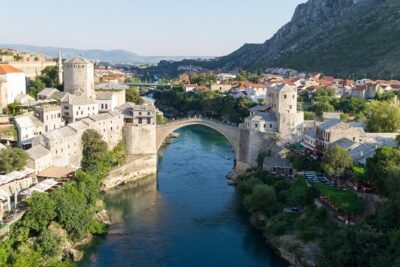
Sarajevo: Mostar, Konjic, Blagaj Tekke, Pocitelj & Waterfall
Read our review →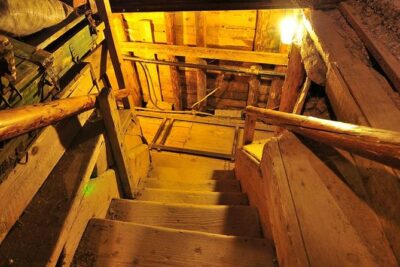
Fall of Yugoslavia, Sarajevo War Tour with Tunnel of Hope Museum and Frontlines
Read our review →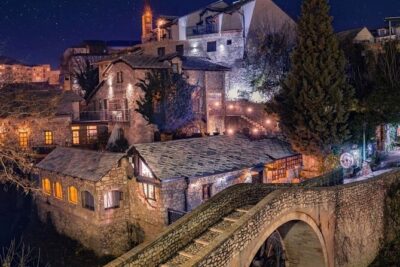
Sarajevo: Mostar, Konjic, Sufi House, Pocitelj & Kravice Falls
Read our review →
Sarajevo: 2 Hours Old Town Walking Tour With Local Guide
Read our review →
Sarajevo: Mostar, Konjic, Dervish House, Pocitelj & Kravica Falls
Read our review →
From Sarajevo: Srebrenica Genocide Memorial Study Tour
Read our review →
Mostar,Kravica Waterfall,Blagaj,Počitelj – Day Tour from Sarajevo
Read our review →
Sarajevo War Tour: A Veteran’s Story of the Siege (fees included)
Read our review →Browse the lists this tour appears in