
Reviewed · SARAJEVO TOURS
Sarajevo Under Siege War Half Day Tour
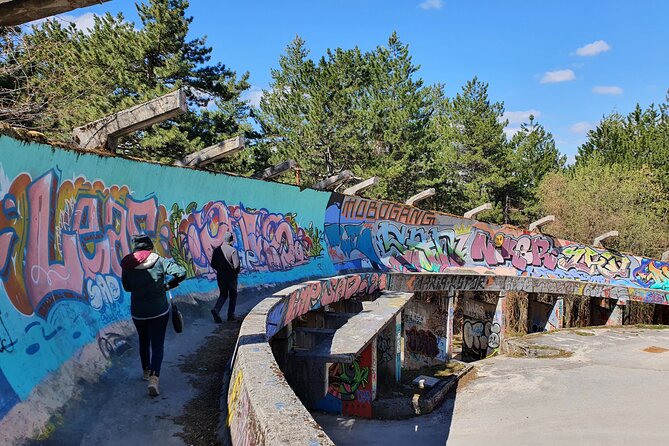
Sarajevo’s wartime story comes into sharp focus at the Tunnel of Hope, where a short film, museum visit, and surviving section of tunnel show how the besieged city stayed connected to the outside world. The tour then climbs Mount Trebevic for city views and a walk along the abandoned 1984 Olympic bobsleigh track.
I like the mix of serious history and unusual places. The guide-led explanation is especially useful because the museum has no English information, and guides such as Kamer can add the background, causes, and human stories that displays alone cannot provide. I also like that private, air-conditioned transport links the stops without making you figure out Sarajevo’s hills and outskirts on your own.
The main thing to consider is the subject matter. This is a sober tour about war, death, survival, and a long siege, not a light sightseeing outing. The bobsleigh track adds an unexpected change of pace, but the central experience remains emotionally heavy.
Key points at a glance
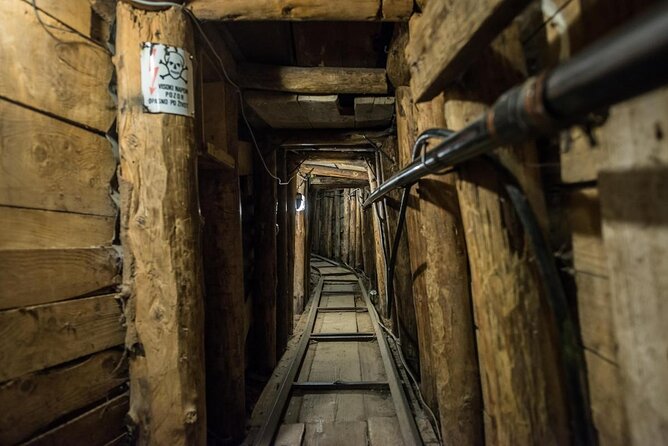
- The Tunnel of Hope gives the tour its strongest historical focus: You see a short film with authentic wartime footage, visit the museum, and enter the surviving tunnel area.
- Kamer is a frequent guide: He explains the siege clearly, answers questions patiently, and uses stories connected to his family and people he knew.
- Mount Trebevic adds a striking view of Sarajevo: The hill helps you understand the city’s setting and the importance of the surrounding front lines.
- The 1984 Olympic bobsleigh track is an unusual second stop: You walk for about 30 minutes along an abandoned track built for the Sarajevo Winter Olympics.
- Transport is part of the value: An air-conditioned vehicle takes you between sites, and pickup is offered.
- The tour stays small: The maximum group size is 20, with private tour options also available.
Sarajevo’s siege explained through places, not just dates
A good war tour should help you understand how geography shaped daily life. This one connects Sarajevo’s city center, the surrounding hills, and the airport area, giving you a clearer sense of why the siege was so difficult for people inside the city.
You do not simply hear a list of military events. The guide explains the background to the conflict, how the siege developed, what life was like during that period, and how it ended. The best part is the human scale. Kamer is repeatedly praised for sharing family experiences and stories of people who survived, which can make the history easier to grasp without turning it into a dry lecture.
That personal approach matters in Sarajevo. The war is recent enough to remain part of family memory, yet many visitors arrive with only a vague idea of what happened in the 1990s. If you are in that position, the tour gives you a useful starting point. You can ask questions as you go, rather than trying to piece together the story from plaques and museum panels.
The guide’s role is particularly important because English information at the Tunnel of Hope museum is limited. A solo visitor who does not speak Bosnian may otherwise see the displays without fully understanding them. With a guide, the film and objects become part of a larger explanation.
More Sarajevo war and siege history tours:
- Fall of Yugoslavia, Sarajevo War Tour with Tunnel of Hope Museum and Frontlines
★ 5.0 · 1,314 reviews - Tunnel Museum: Bosnian & Yugoslav Wars Tour with War Veteran
★ 5.0 · 551 reviews - Sarajevo War Tour: A Veteran’s Story of the Siege (fees included)
★ 5.0 · 326 reviews
The Tunnel of Hope and its one-hour visit
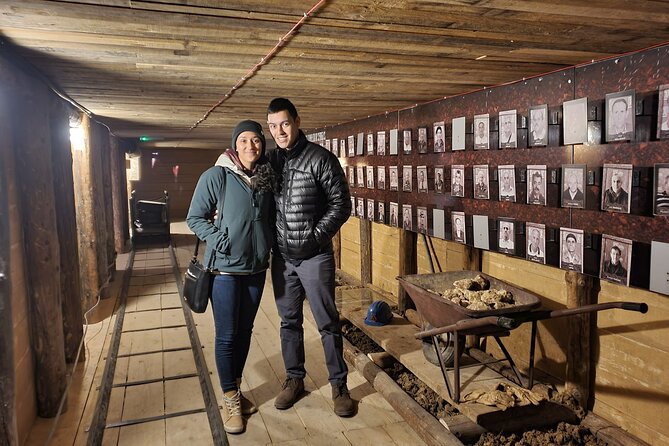
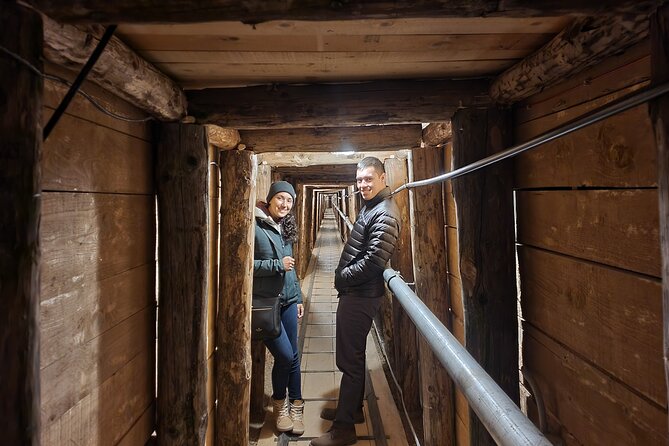
The tour’s main stop is the Sarajevo War Tunnel, also called the Tunnel of Hope. You spend about an hour here, including a short movie with authentic footage from the war, the museum, and the tunnel itself. Admission is included in the tour.
This is the stop that gives the experience its emotional weight. The tunnel was built during the siege to connect Sarajevo with the area beyond the airport. It provided a vital route for supplies and people when normal roads were blocked. Even the surviving section is not large, so do not expect a long underground walk. Its value comes from what it represents and from the explanation around it.
The film gives you immediate visual context. After seeing wartime footage, you can better understand why a narrow passage beneath the airport mattered so much. The combination of film, museum material, and the physical tunnel is more effective than any one of those parts alone.
I would allow yourself time to listen carefully here. The visit can feel intense, and rushing through the displays would weaken the point. The guide can explain what you are seeing in English and connect the museum material to the wider story of Sarajevo’s siege.
There is also a practical drawback: this is not a polished, interactive museum built for quick entertainment. The experience depends heavily on the guide’s explanation, and the subject matter can be difficult. If you want only scenic viewpoints and Olympic nostalgia, this stop may feel too serious. If you want to understand Sarajevo, it is the reason to book the tour.
Mount Trebevic and the view over Sarajevo
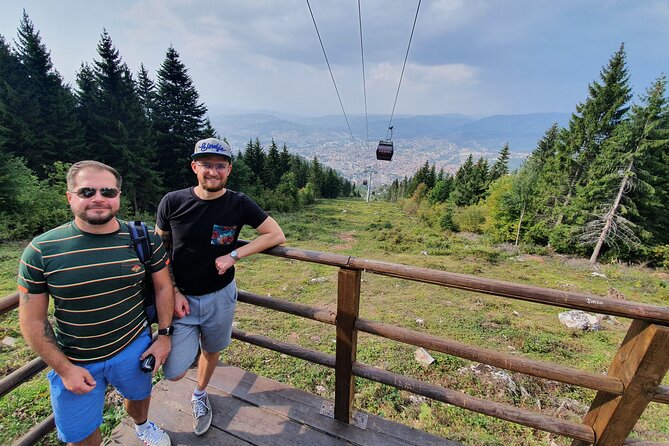
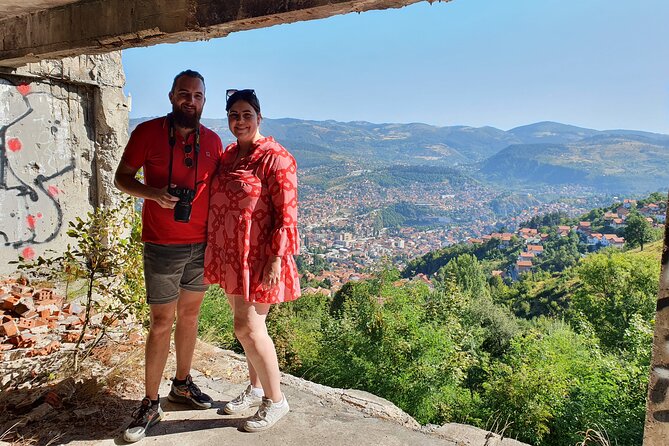
After the tunnel, the route heads toward Mount Trebevic. The tour description places the former front lines here and highlights the panoramic view over Sarajevo. From above, the city’s setting becomes easier to read: a long urban valley surrounded by steep hills.
That view is not just a photo stop. It helps explain the military geography of the siege. Looking down toward the city, you can see why the hills were so important to the conflict and why residents below faced danger from the surrounding heights.
The change from the enclosed tunnel to the open mountain is useful. It gives you breathing room after the museum and lets the guide point out locations from a wider angle. You may find that the view makes earlier explanations more concrete, especially if you ask the guide to identify important parts of the city.
The exact time spent at the viewpoint is not specified, so the pace may depend on the group and the guide. That flexibility can work in your favor. Several descriptions of the experience emphasize that Kamer takes time with questions and does not hurry the explanation. If you are interested in military history or Sarajevo’s city layout, this is a good place to speak up.
Bring sensible footwear. The tour includes walking on the bobsleigh track, and mountain conditions can vary. The available information does not promise a particular surface or weather protection, so comfortable shoes and a light layer are sensible choices.
Walking the abandoned Olympic bobsleigh track
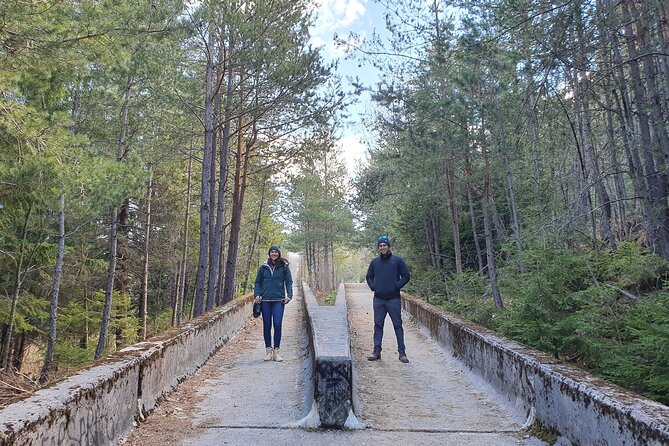
The final listed stop is the Sarajevo Olympic Bobsleigh and Luge Track, with about 30 minutes spent walking down the abandoned track. Built for the 1984 Winter Olympics, it now offers a sharp contrast with the war sites.
The track is visually striking because its original purpose was sport and celebration, while its later setting became tied to the conflict. The worn concrete curves and forested surroundings make it one of the more unusual stops in Sarajevo. It is also the part of the tour most likely to appeal to visitors who remember the 1984 Olympics or enjoy seeing places that have moved far from their original use.
Do not mistake this for a functioning Olympic attraction. The track is abandoned, and the activity is a walk along it rather than a ride. The tour gives you roughly half an hour here, enough to take photographs and hear about the Olympics, but not a long exploration of the mountain.
This stop also helps the tour avoid becoming relentlessly grim. The Olympic story gives you another way to think about Sarajevo, as a city known internationally for sport before war changed its daily life. That contrast is one of the experience’s strongest choices.
Still, the track can be uneven, and the tour does involve walking. The available details say most people can participate, but anyone with mobility concerns should ask the operator for current conditions before booking. There is no need to expect a strenuous hike, yet this is not a fully vehicle-based tour.
A few more Sarajevo day trips to weigh up
- Sarajevo: Mostar, Konjic, Blagaj Tekke, Pocitelj & Waterfall
★ 4.9 · 1,335 reviews - Sarajevo: Mostar, Konjic, Sufi House, Pocitelj & Kravice Falls
★ 5.0 · 1,179 reviews - ROSES OF SARAJEVO (Official WAR + CITY tour)- Story of a Survivor
★ 5.0 · 770 reviews - Sarajevo: Mostar, Konjic, Počitelj, Sufi House, & Waterfalls
★ 4.9 · 572 reviews
Why the guide makes a major difference
The route itself is worthwhile, but the guide determines how much you take away. The strongest feedback centers on Kamer, who is described as friendly, patient, professional, and open to questions. He is young enough not to have lived through the entire conflict himself, but he draws on family experiences and local knowledge to explain what happened.
That distinction is worth noting. A guide does not need to have personally witnessed every event to explain it well. In this case, the value comes from preparation, clear storytelling, and an ability to connect political history with ordinary life.
Jasmin is also named in the feedback as a caring and informative host. Since guide assignments can vary, you should not assume a particular person unless the operator confirms it. The recurring point is that the experience is conversational rather than a rigid speech delivered from a script.
That format suits this subject. You can ask about a place you pass, request more detail about the siege, or clarify the timeline. One visitor who knew little about the war found the explanations helpful because the guide described what daily life was like, not only what happened on a map.
The tone also appears to include humor and relaxed conversation, especially during the private tours. That can be a welcome human touch, but the tour should not be mistaken for entertainment throughout. The best guides know when to keep things quiet and respectful.
Transport, timing, and group size
The tour lasts about three to four hours. That is enough time for the Tunnel of Hope, the mountain viewpoints, the bobsleigh track, and the driving between them without using an entire day.
Private transportation in an air-conditioned vehicle is included. Pickup is offered, while the standard meeting point is Torus Tours at Obala Isa-bega Ishakovića 3 in Sarajevo. The activity ends back at the meeting point.
This transport is one of the clearest practical advantages. The sites are not all clustered in the old town, and Mount Trebevic adds elevation and distance. Having a vehicle means you can focus on the history instead of working out connections by public transport or arranging separate taxis.
The maximum group size is 20. That is not an intimate group by default, but the guide’s question-friendly style should still work well if the group is smaller. Private options are available, and several people specifically describe choosing a private tour for a more personal experience.
If you want a quiet, highly tailored visit, ask about the private option before paying. If you are happy to share the vehicle and guide, the standard tour offers a practical way to cover several outlying sites in one morning or afternoon.
The experience is near public transportation, but the supplied details do not specify an exact pickup schedule, vehicle size, or walking distance at each stop. Confirm those points if they matter to you.
Is $53.47 good value?
At $53.47 per person, the tour is not the cheapest way to see one Sarajevo museum. Its value comes from the package: transport, a guide, the Tunnel of Hope visit, historical explanation, the Trebevic viewpoint, and the Olympic bobsleigh track.
You could visit some places independently, but then you would need to arrange transport and make sense of the Tunnel of Hope museum with limited English information. The guide’s role is not an extra decoration here. It is what turns the tunnel from a short physical passage into a meaningful historical stop.
The price also makes more sense if your Sarajevo stay is short. In three to four hours, you cover sites that are spread beyond the old town and receive an organized explanation of the war’s causes, course, and outcome. That saves time and gives you a clearer frame for exploring the city afterward.
Group discounts may be available, and the tour can be booked as a private experience. If you are traveling with family or a small group, compare the private price with the per-person rate before deciding. A private vehicle can make the timing more flexible, though the exact difference in cost is not provided.
Admission is listed as free for the two stops, so you are mainly paying for transportation, guiding, organization, and access to the operator’s local knowledge. I consider that fair if the history is a priority. It is less compelling if you only want scenic sightseeing.
Who should book this half-day experience?
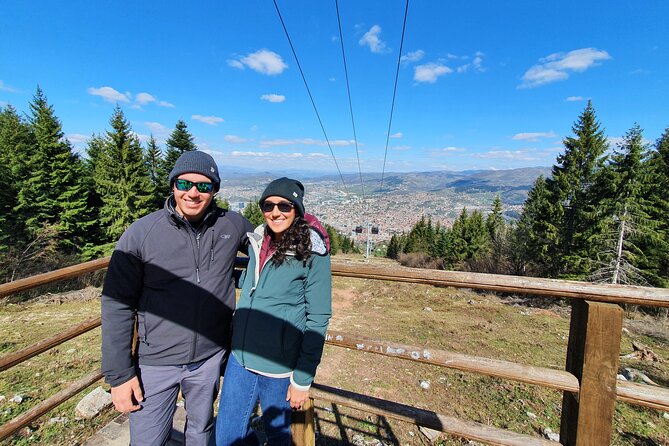
I would recommend it most strongly to first-time visitors who want a direct introduction to Sarajevo’s recent past. It also suits anyone who has read about the siege but wants to connect the facts with actual places.
Families can take part, and one family experience included a baby. The tour is also suitable for solo visitors, including those booking on short notice, subject to availability. Most people can participate, though the walk along the abandoned track means you should consider your comfort with uneven ground.
This is a good choice for anyone who prefers conversation to a large lecture. You can ask questions and request more context, especially with a guide such as Kamer. It also works well for visitors who want something beyond the old town’s Ottoman and Austro-Hungarian sights.
You should think twice if war museums affect you strongly or if you are looking for a carefree outing. The bobsleigh track and mountain view add variety, but the Tunnel of Hope and siege stories are the heart of the tour.
The experience is recommended by all recorded ratings and carries a five-star rating from 28 reviews. That is a positive signal, but the more useful takeaway is the pattern in the feedback: people value the guide’s patience, personal stories, clear history, and willingness to answer questions.
Booking and cancellation details
Confirmation is sent within 48 hours, subject to availability. The tour has free cancellation if you cancel at least 24 hours before the local start time.
Canceling within 24 hours or changing the booking during that period means no refund. The experience also requires a minimum number of participants. If the operator cancels because that minimum is not reached, you are offered another date or experience, or a full refund.
Because the tour is often booked about 30 days ahead, reserve early if your Sarajevo dates are fixed. If you are booking close to your arrival, confirmation remains subject to availability.
Should you book the Sarajevo Under Siege War Half Day Tour?
Book it if you want Sarajevo’s wartime history explained by a local guide while standing at the places that shaped it. The Tunnel of Hope, Trebevic viewpoint, and abandoned Olympic track create a strong three-part visit, and private air-conditioned transport keeps the route simple.
I especially recommend it for first-time visitors, families with older children, solo visitors, and anyone who wants to ask questions rather than read English-only museum panels. The price is reasonable for the transport and guiding, particularly during a short stay.
Skip it if you want a light sightseeing tour or prefer to avoid difficult war history. For everyone else, this is a useful, respectful way to understand Sarajevo beyond its beautiful center.
FAQ
How long does the Sarajevo Under Siege War Half Day Tour last?
The tour lasts approximately three to four hours.
Where does the tour start?
It starts at TORUS Tours, Obala Isa-bega Ishakovića 3, Sarajevo 71000, Bosnia and Herzegovina.
Where does the tour end?
The activity ends back at the meeting point.
Is transportation included?
Yes. Private transportation in an air-conditioned vehicle is included, and pickup is offered.
What do you see at the Sarajevo War Tunnel?
You see a short movie with authentic footage from the war, visit the museum, and see the war tunnel. The stop lasts about one hour.
Is the Tunnel of Hope admission included?
Yes. Admission to the Sarajevo War Tunnel stop is listed as free within the tour.
How long is the bobsleigh track visit?
You spend about 30 minutes walking down the abandoned bobsleigh and luge track from the 1984 Olympics.
What is the cancellation policy?
You can receive a full refund if you cancel at least 24 hours before the experience start time. Cancellations or changes made less than 24 hours before the start time are not refunded.
Just added around Sarajevo
- Strbacki Buk and Una Waterfalls: Day Trip from Sarajevo★ 5.0 · 3 reviews
- Bosnian Kingdom Capitals: Travnik & Jajce Tour from Sarajevo★ 5.0 · 3 reviews
- Walking Tour in Sarajevo★ 5.0 · 3 reviews
- MTB Bjelasnica – Lukomir★ 5.0 · 3 reviews
- Sarajevo Under Siege: A City’s Struggle & Survival Tour★ 5.0 · 3 reviews
- Herzegovina Tour from Sarajevo: Mostar, Počitelj, Blagaj, Kravice★ 5.0 · 3 reviews
- Travnik, Jajce, Pliva Lakes & Mills –Medieval & Ottoman Bosnia Full Day Tour★ 5.0 · 3 reviews
- Tour of Herzegovina – From Sarajevo★ 5.0 · 3 reviews
Sarajevo Tours, compared.
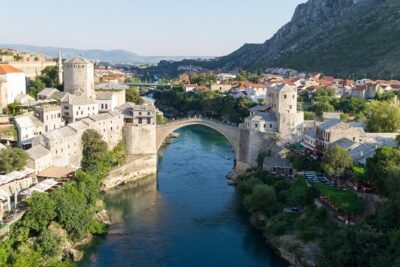
Sarajevo: Mostar, Konjic, Blagaj Tekke, Pocitelj & Waterfall
Read our review →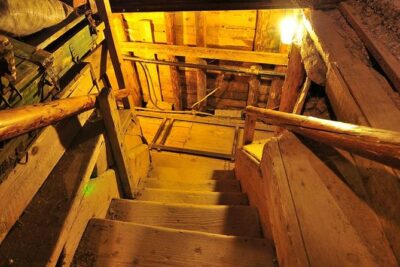
Fall of Yugoslavia, Sarajevo War Tour with Tunnel of Hope Museum and Frontlines
Read our review →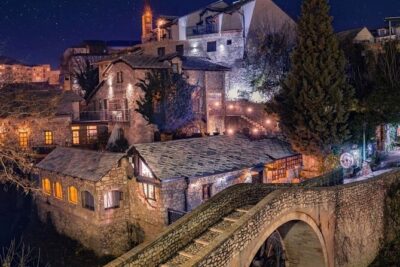
Sarajevo: Mostar, Konjic, Sufi House, Pocitelj & Kravice Falls
Read our review →
Sarajevo: 2 Hours Old Town Walking Tour With Local Guide
Read our review →
Sarajevo: Mostar, Konjic, Dervish House, Pocitelj & Kravica Falls
Read our review →
From Sarajevo: Srebrenica Genocide Memorial Study Tour
Read our review →
Mostar,Kravica Waterfall,Blagaj,Počitelj – Day Tour from Sarajevo
Read our review →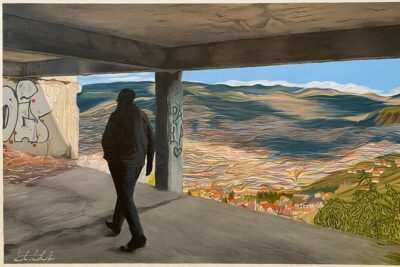
Sarajevo War Tour: A Veteran’s Story of the Siege (fees included)
Read our review →Browse the lists this tour appears in