
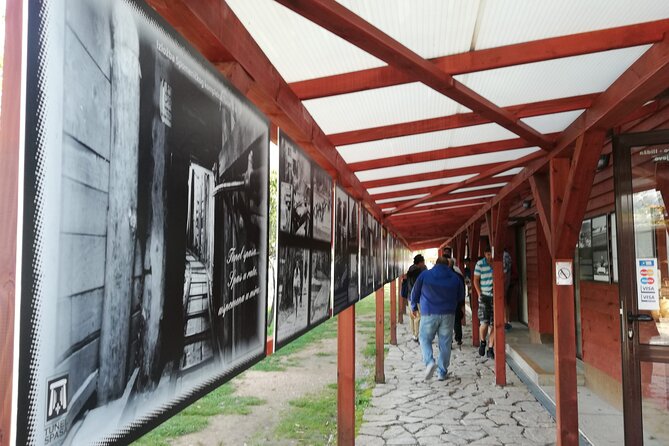
Reviewed · SARAJEVO TOURS
Tunnel of Hope Tour – Survival and Resilience
Sarajevo’s Tunnel of Hope is more than a short museum visit. It is the place where the city’s story of survival becomes physical: a narrow wartime passage built beneath the airport runway, used to move food, fuel, medicine, and people during the Siege of Sarajevo. The drive there also traces streets and buildings shaped by the conflict.
I like two things especially. First, the guide gives you the city context before you reach the museum, including Sniper Alley and major shell-damaged landmarks. Second, guides such as Nermin and Safet have lived through the siege, so the history can include personal memories rather than only dates and military facts.
The main consideration is emotional weight. This is a serious tour about civilians living without steady food, water, electricity, or gas. Also, the original tunnel is not fully open for safety reasons, so you should expect a museum and reconstructed section rather than a long walk through the wartime passage itself.
Key points to know before you book
- The tunnel explains Sarajevo’s survival system: See how an underground route connected the besieged city with the outside world.
- The city drive adds real context: Pass Markale Market, the Presidency Building, Holiday Inn, RTV Dom, Zetra Olympic Hall, and Sniper Alley.
- Firsthand stories are a major strength: Guides including Nermin and Safet have described life in Sarajevo during the siege from personal experience.
- The tour lasts about 2 hours 30 minutes: That makes it useful when your time in Sarajevo is limited.
- The museum ticket costs extra: Adults pay 20 BAM, listed as about €10.50, while students pay 8 BAM, listed as about €4.50.
- Small groups keep the visit manageable: The maximum group size is 20 people, with transportation included.
Why the Tunnel of Hope matters
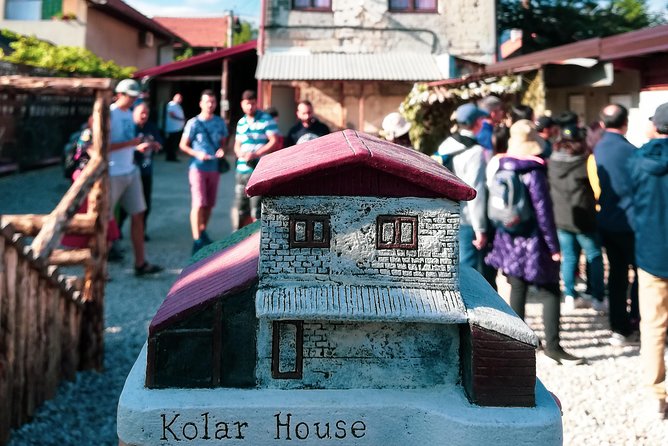
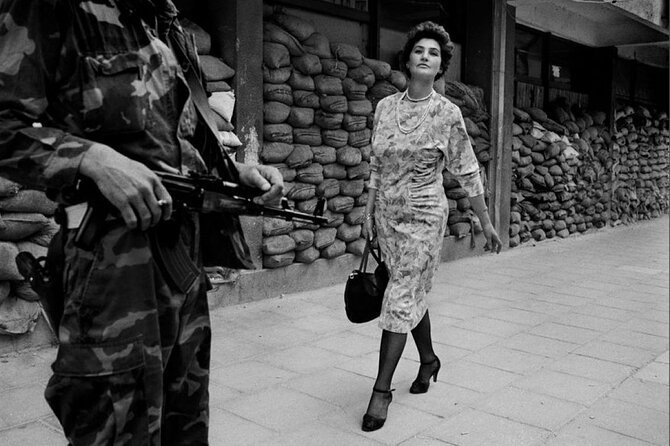
The Siege of Sarajevo lasted from 1992 to 1995, and the city was cut off while fighting surrounded it. Residents faced shortages of basic supplies and had to cope with shelling, sniper fire, limited utilities, and the constant fear that ordinary trips across town could become deadly.
The tunnel offered a lifeline. Built beneath Sarajevo Airport, it connected the city with territory outside the siege lines. The passage was narrow and difficult, but it allowed supplies and people to move in and out when roads were blocked or too dangerous.
I find the site useful because it turns a large political event into something you can picture. You are not only hearing about international decisions or battlefield movements. You are learning how a family found water, how fuel reached the city, and how people kept daily life going under extreme pressure.
The tour does not treat the tunnel as a novelty. Its value comes from the human choices behind it: the labor required to construct it, the risks of using it, and the stubborn effort to maintain a connection with the outside world.
More Sarajevo war and siege history tours:
- Fall of Yugoslavia, Sarajevo War Tour with Tunnel of Hope Museum and Frontlines
★ 5.0 · 1,314 reviews - Tunnel Museum: Bosnian & Yugoslav Wars Tour with War Veteran
★ 5.0 · 551 reviews - Sarajevo War Tour: A Veteran’s Story of the Siege (fees included)
★ 5.0 · 326 reviews
Starting in central Sarajevo
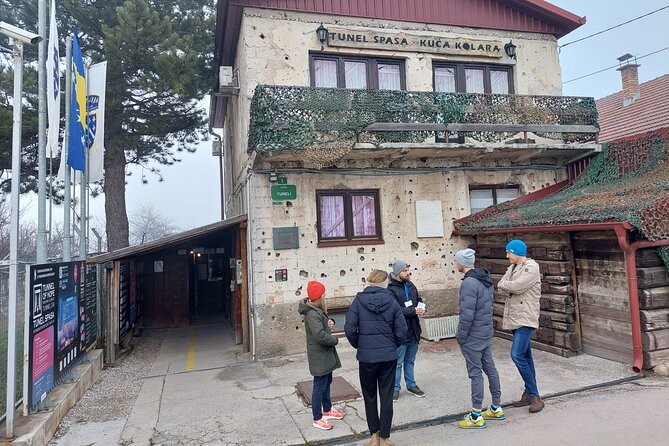
You meet at Insider City Tours and Excursions, at Zelenih beretki 30 in central Sarajevo. The meeting point is close to public transportation, and the activity returns there at the end.
This central start is practical. You can fit the tour around time in the old town without arranging a separate taxi to the outskirts. Transportation is included, so you do not need to work out a route to the tunnel museum yourself.
The group can include up to 20 people. That is not an intimate private tour, but it is still a controlled size for a vehicle-based outing. Some departures may be smaller, and a few past tours became private or nearly private when demand was low. You should not book on the assumption that this will happen, but a smaller group can allow more time for questions.
The tour is offered in English. The guide is also the main reason to book this rather than simply arranging your own transport. You can reach the tunnel independently, but you would miss the spoken explanation of the city’s wartime geography on the way.
Markale Market and Sarajevo’s central war sites
The vehicle begins by passing important places in central Sarajevo. Markale City Market is one of the most meaningful. It was an everyday marketplace, yet it also became associated with major wartime attacks and the danger civilians faced while trying to buy food.
You pass Trg Djece Sarajeva, or the Square of Sarajevo Children, another place tied to remembrance and the city’s endurance. It is not presented as a separate long stop, so expect to see these places from the vehicle and hear the guide explain their importance.
The route continues past the Presidency Building, the seat of Bosnia and Herzegovina’s presidency. During the war, government buildings and nearby streets were part of the city’s political and military story. The point is not simply to identify an official building. It is to show you where decisions were made while Sarajevo was under attack.
You also pass the Parliament and Holiday Inn Hotel. The hotel became closely connected with journalists covering the war, while the parliament represented the political struggle taking place around the city. Seeing both together helps you understand how Sarajevo became a world news story.
Sniper Alley and the danger of crossing town
The drive includes the street widely known as Sniper Alley, described as one of the most dangerous roads in Sarajevo during the 1990s. Today, it functions as a normal urban road, which can make the history difficult to imagine without a guide.
That contrast is one of the tour’s strengths. A street that looks ordinary now carried enormous danger during the siege. The guide explains how people moved through exposed areas and why basic errands could require planning, speed, and courage.
You also pass RTV Dom, the television building that broadcast during key moments of the war. The building adds another layer to the story, showing how news, information, and communication continued despite the fighting.
The vehicle-based format has a limit: many of these landmarks are pass-by views rather than extended visits. If you want long, quiet time at each site, a longer walking or specialist war-history program may suit you better. If you want a broad introduction in a limited window, the moving tour gives you a useful framework.
A few more Sarajevo day trips to weigh up
- Sarajevo: Mostar, Konjic, Blagaj Tekke, Pocitelj & Waterfall
★ 4.9 · 1,335 reviews - Sarajevo: Mostar, Konjic, Sufi House, Pocitelj & Kravice Falls
★ 5.0 · 1,179 reviews - ROSES OF SARAJEVO (Official WAR + CITY tour)- Story of a Survivor
★ 5.0 · 770 reviews - Sarajevo: Mostar, Konjic, Počitelj, Sufi House, & Waterfalls
★ 4.9 · 572 reviews
City Hall, the National Library, and Olympic Sarajevo
The route includes City Hall and the National Library of Bosnia and Herzegovina. The building is one of Sarajevo’s most recognizable landmarks, and its wartime damage carries particular force because a library represents shared memory, education, and culture as much as architecture.
The National Museum, Presidency Building, Skenderija Market, and Zetra Olympic Hall also appear along the route. These places connect several parts of Sarajevo’s identity: public institutions, food markets, sports facilities, and the city’s role as an Olympic host.
The Zetra Olympic Hall is a striking reminder of how quickly a city can move from international celebration to war. The tour does not turn every stop into a separate museum visit, but the guide helps connect Sarajevo before the siege with the city you see today.
I recommend paying attention to the sequence of places rather than treating them as a checklist. The tour is showing you that the siege affected the whole city, not just one tunnel or one military target. Homes, markets, cultural buildings, government offices, and sports venues all entered the story.
Entering the Tunnel of Hope Museum
The museum visit lasts about 1 hour 15 minutes. Admission is not included in the tour price, so budget an additional 20 BAM for an adult or 8 BAM for a student.
Inside, you learn how the tunnel was built, why it was needed, and how it functioned. Exhibits explain the conflict and the role the passage played in connecting Sarajevo with the outside world. A video about United Nations intervention during the siege adds international context.
The accessible tunnel section gives you a physical sense of the passage. The original route was extremely narrow, about one metre wide and 1.6 metres high according to the information provided in the experience details. That helps explain both its importance and its difficulty.
You should not expect to walk through the entire original tunnel. Because it runs beneath the runway of an operating airport, the original passage is not generally accessible for safety reasons. A reconstructed section is wider and taller, but it still gives you an impression of the cramped conditions.
Some accounts of the experience describe access to a short part of the original tunnel as well as the reconstructed section, so the exact accessible portion may vary. The safe expectation is the museum, its exhibits, and a partial or recreated tunnel experience rather than a complete underground crossing.
The setting can feel confronting. This is not a polished attraction built only for entertainment. The power comes from the plain physical facts: a cramped route, a city under siege, and the work required to keep supplies moving.
Guides who add a human voice
The strongest part of the tour is usually the guide’s explanation during the drive and museum visit. Several named guides have been praised for their clear storytelling, including Nermin, Safet, Jernej, Yasif, Haris, and Arris. You cannot request a particular guide based on the supplied tour details, but the company has several guides with strong personal and historical backgrounds.
Nermin is described as a former police officer who lived through the siege. Safet has also been described as having experienced the period firsthand, and other guides have shared memories of growing up in Sarajevo during the war.
That personal connection changes the rhythm of the tour. Instead of hearing only a set speech, you may be able to ask direct questions about daily life, the tunnel, shortages, and the city’s recovery. Guides have also discussed Sarajevo today and offered suggestions for local food and cafés.
The quality of a history tour depends heavily on the person leading it, so this is worth keeping in mind. The experience data does not guarantee one specific guide or a particular style. What it does show is that firsthand experience and open question time are central strengths of this company’s approach.
Some tours run longer than the advertised 2 hours 30 minutes when the guide continues answering questions. That can be a bonus, but leave a little breathing room before your next fixed appointment.
Price, timing, and overall value
The listed price is $25.40 per person, with transportation and a licensed guide included. You then pay the museum entrance separately, making the total cost higher than the headline figure.
Even with the extra ticket, I consider the tour fairly priced for visitors who want efficient historical context. You are paying for transport to a site outside central Sarajevo, a guided city route, and a structured explanation of the siege. The guide is the part that makes this better value than simply taking a taxi to the museum.
The 2.5-hour length is another advantage. Some excursions to the tunnel take around four hours and include more stops. This shorter version works well if you have only a day or two in Sarajevo, or if you want to pair it with the old town, museums, and other city sights.
The tradeoff is depth. Since the city landmarks are mostly viewed from the vehicle, you will not get long visits at every location. Pay more for a longer outing if your priority is walking through several war sites. Choose this tour if you want the tunnel and a compact overview without giving up half a day.
The activity is generally available to most people, and the group maximum is 20. Specific accessibility details are not provided, so anyone concerned about the tunnel section or vehicle access should confirm before booking.
Who will get the most from this tour
I would choose this tour for anyone who wants to understand Sarajevo beyond its cafés, Ottoman streets, and Austro-Hungarian buildings. The city is beautiful and welcoming, but its modern identity cannot be separated from the siege.
It suits history students, first-time visitors, and anyone with a strong interest in conflict history. It is also useful for repeat visitors. One person who had already visited the tunnel several times still found new value in the guide’s explanation and personal perspective.
You should prepare for difficult material. Families with older children might find it meaningful, but the emotional subject matter may not suit young children. The tour is also a good choice for solo visitors because transportation is organized and the group setting provides a straightforward way to reach the museum.
If you prefer quiet sightseeing without serious wartime discussion, choose another outing. The tour is built around survival, loss, and resilience. Its hopeful message comes through the facts, not through light entertainment.
Practical tips for a better visit
Book ahead if your schedule is tight. The experience is booked, on average, 13 days before departure, which suggests that popular dates can fill in advance.
Wear shoes suitable for a short walk through the museum and tunnel section. The accessible passage may feel cramped, especially if you are uncomfortable in confined spaces.
Bring enough cash or payment capacity for the separate museum ticket. The adult price is 20 BAM and the student price is 8 BAM. The tour price itself does not cover admission.
Leave time after the tour to think about what you have seen. The visit can be completed in about 2.5 hours, but guides sometimes continue for longer when questions lead to more stories.
Free cancellation is available up to 24 hours before the start time. Cancellations or changes inside that window are not refunded or accepted, and poor weather or failure to reach the minimum group size can lead to a new date, another experience, or a full refund.
Should you book the Tunnel of Hope Tour?
Book it if you want the Tunnel of Hope explained as part of Sarajevo’s wider wartime story. The strongest combination is the city drive, Sniper Alley, the museum, and a guide who can discuss the siege from personal experience.
The tour is especially good value when you have limited time. You reach the museum without sorting out indirect public transportation, and you gain context for places you will probably pass again during your stay.
Skip it only if you want a long walking tour with extended stops at every war landmark, or if the subject matter feels too heavy for your trip. For most visitors interested in Sarajevo’s recent past, this is a focused, serious, and worthwhile two and a half hours.
FAQ
Where does the Tunnel of Hope Tour begin?
It begins at Insider City Tours and Excursions, Zelenih beretki 30, Sarajevo 71000, Bosnia and Herzegovina.
Where does the tour end?
The activity returns to the original meeting point in central Sarajevo.
How long does the tour last?
The advertised duration is approximately 2 hours 30 minutes. Some departures may run longer when the guide continues answering questions.
Is transportation included?
Yes. Transportation and a licensed guide are included.
Is the Tunnel of Hope museum ticket included?
No. Museum admission costs 20 BAM, listed as about €10.50, for adults and 8 BAM, listed as about €4.50, for students.
What language is the tour offered in?
The tour is offered in English.
What places do you see during the city drive?
You pass Markale City Market, Trg Djece Sarajeva, the Presidency Building, Parliament, Holiday Inn Hotel, Sniper Alley, RTV Dom, City Hall, the National Library, the National Museum, Skenderija Market, and Zetra Olympic Hall.
Can you walk through the original tunnel?
The original tunnel is not generally accessible in full because it runs beneath the runway of an operating airport. The museum includes a tunnel section and a reconstructed passage that gives you an impression of the original conditions.
What is the cancellation policy?
You can cancel up to 24 hours before the start time for a full refund. Cancellations or changes made less than 24 hours before the experience are not refunded or accepted. If poor weather or an insufficient number of participants cancels the tour, you are offered another date, another experience, or a full refund.
Just added around Sarajevo
- Strbacki Buk and Una Waterfalls: Day Trip from Sarajevo★ 5.0 · 3 reviews
- Bosnian Kingdom Capitals: Travnik & Jajce Tour from Sarajevo★ 5.0 · 3 reviews
- Walking Tour in Sarajevo★ 5.0 · 3 reviews
- MTB Bjelasnica – Lukomir★ 5.0 · 3 reviews
- Sarajevo Under Siege: A City’s Struggle & Survival Tour★ 5.0 · 3 reviews
- Herzegovina Tour from Sarajevo: Mostar, Počitelj, Blagaj, Kravice★ 5.0 · 3 reviews
- Travnik, Jajce, Pliva Lakes & Mills –Medieval & Ottoman Bosnia Full Day Tour★ 5.0 · 3 reviews
- Tour of Herzegovina – From Sarajevo★ 5.0 · 3 reviews
Sarajevo Tours, compared.
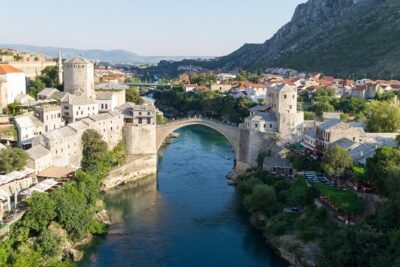
Sarajevo: Mostar, Konjic, Blagaj Tekke, Pocitelj & Waterfall
Read our review →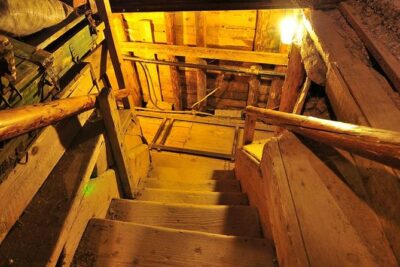
Fall of Yugoslavia, Sarajevo War Tour with Tunnel of Hope Museum and Frontlines
Read our review →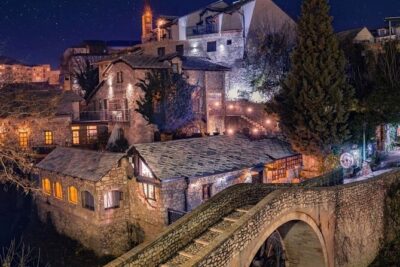
Sarajevo: Mostar, Konjic, Sufi House, Pocitelj & Kravice Falls
Read our review →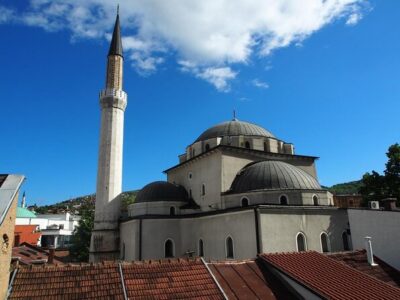
Sarajevo: 2 Hours Old Town Walking Tour With Local Guide
Read our review →
Sarajevo: Mostar, Konjic, Dervish House, Pocitelj & Kravica Falls
Read our review →
From Sarajevo: Srebrenica Genocide Memorial Study Tour
Read our review →
Mostar,Kravica Waterfall,Blagaj,Počitelj – Day Tour from Sarajevo
Read our review →
Sarajevo War Tour: A Veteran’s Story of the Siege (fees included)
Read our review →Browse the lists this tour appears in