
Reviewed · SARAJEVO TOURS
Inside the Siege: Sarajevo’s Story of Survival
Sarajevo’s wartime story is easiest to grasp when you see the city from above, trace the streets once exposed to sniper fire, and walk through the narrow Tunnel of Hope that kept people alive. This tour links those places with the human stories behind the siege, rather than treating the war as a list of dates.
I like the local perspective, especially when Adis Hamzic or one of his guides connects political events with everyday life in Sarajevo. I also like the route’s variety: a hilltop view, Olympic sites, memorials, city streets, and the tunnel museum all fit into one afternoon.
The main drawback is the vehicle. Even a small group can feel snug in the car, and some stops are brief. The €10 tunnel museum admission is also extra, payable on site in local currency.
Key points to know before booking
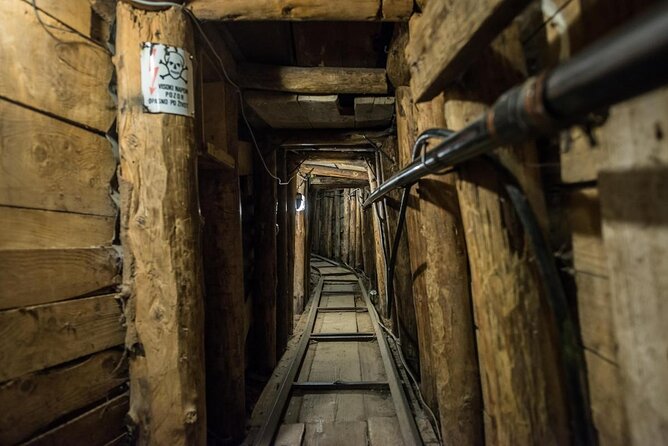
- The Tunnel of Hope is the emotional center: Allow 50 minutes, plus the separate €10 entrance fee.
- You see Sarajevo from several angles: The Yellow Fortress gives you a view toward the former siege lines, while the return drive adds another broad city view.
- The guide makes the difference: Adis Hamzic and his team explain the war in clear English and welcome questions.
- The route is personal as well as historical: Expect stories about survival, loss, and the city’s life during the siege.
- The group is limited to 16 people: Some departures may be much smaller, but the vehicle can still feel tight.
- The 1 p.m. start suits an afternoon plan: The experience lasts about two to three hours and returns to the starting point.
Seeing Sarajevo through the siege
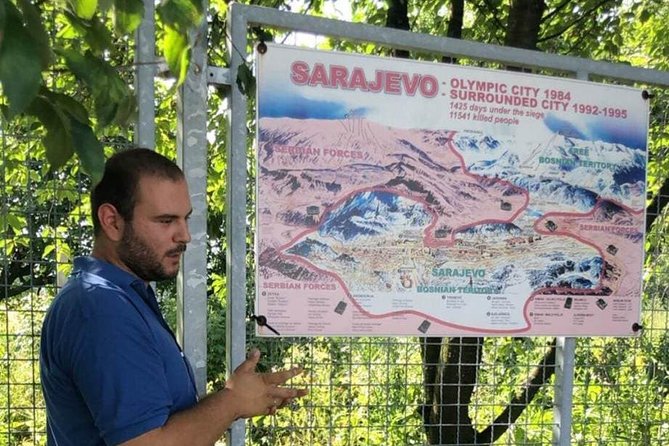
The Siege of Sarajevo lasted from 1992 to 1996, and its effects remain visible in the city. This is not a tour that asks you to view the war from a safe distance. You are shown the places where civilians lived under fire, where people tried to protect their neighborhoods, and where basic supplies entered through a hidden route.
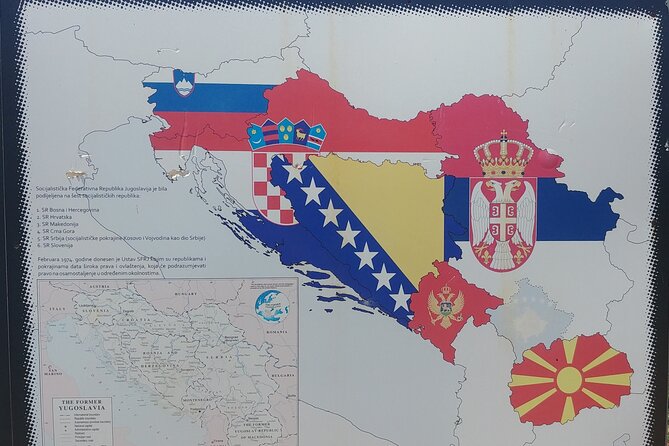
I find that approach useful because Sarajevo’s wartime story can feel confusing at first. The political collapse after the end of the Tito era, the Bosnian War, the surrounding forces, and the long siege involve many names and events. A good guide gives you a clear path through them and leaves room for questions.
The experience lasts about two to three hours. That is long enough to cover the main sites without turning the afternoon into a full-day history course. It is also short enough to fit around time in the old town, a meal, or another Sarajevo visit.
The tone is serious, as it should be, but the guides are described as friendly, engaging, and able to use humor carefully. That matters. You get hard facts, but the tour does not treat suffering as a spectacle.
More Sarajevo war and siege history tours:
- Fall of Yugoslavia, Sarajevo War Tour with Tunnel of Hope Museum and Frontlines
★ 5.0 · 1,314 reviews - Tunnel Museum: Bosnian & Yugoslav Wars Tour with War Veteran
★ 5.0 · 551 reviews - Sarajevo War Tour: A Veteran’s Story of the Siege (fees included)
★ 5.0 · 326 reviews
The Yellow Fortress and Sarajevo from above
The first major stop is the Yellow Fortress, a strong viewpoint over Sarajevo. You get roughly 15 minutes here, with no separate admission fee.
This is one of the most useful places to begin because the city’s shape helps explain the siege. From above, you can see Sarajevo spread through a long valley, with hills rising around it. The guide uses the view to point out the former front lines and explain why the city was so exposed.
Give yourself a moment before the talk begins. Look at the roofs, hills, roads, and dense city center. Then listen as the guide turns that peaceful view into a map of wartime danger. The contrast is powerful, and it gives later stops more meaning.
The short visit is both a strength and a limitation. You get the essential explanation without spending too long in one place, but photographers or people who want a quiet pause may wish for more time. Wear sensible shoes, since this is a fortress viewpoint rather than a polished indoor museum.
The route also includes a resting place for people who fought to protect the city and a site connected with tragic civilian massacres. These locations bring the war down from military lines to individual lives. You are not only looking at where the fighting happened. You are being asked to remember who paid for it.
The Olympic stadium and wartime memorials
The Asim Ferhatovic Hase Stadium is an especially striking stop because it carries two very different memories. Sarajevo hosted the 1984 Winter Olympics, a moment of international pride and modern promise. During the war, parts of the stadium area were used as a cemetery.
You spend about 10 minutes here, with no admission charge. That short stop works well as a lesson in how quickly a city’s public spaces can change purpose. An Olympic venue suggests celebration, sport, and visitors from around the world. The cemetery reflects the urgent need to bury people during a long and brutal conflict.
The tour also pauses at a memorial honoring the 1,601 children killed during the siege. This is among the most important stops for understanding the civilian cost of the war. The number is large, but the memorial’s purpose is to keep that number tied to children rather than allowing it to become an abstract figure.
I appreciate that the route makes room for this kind of remembrance. Military history often focuses on commanders, weapons, and borders. Sarajevo’s story also belongs to families, schoolchildren, neighbors, and people trying to cross town for food or water.
These stops may feel quiet compared with the guided explanations at the fortress and tunnel. That is a good thing. You should have time to take in the memorials without expecting constant commentary.
Sniper Alley and the Presidency Building
Sniper Alley was one of the most dangerous stretches of Sarajevo during the siege. The name is stark because the danger was part of daily movement through the city. Roads that now look ordinary once exposed people to sniper fire as they went to work, searched for supplies, or tried to reach relatives.
The guide explains the street within the wider military picture, showing why this route mattered and how civilians faced danger in ordinary urban spaces. You may find this more affecting than a battlefield because the setting is familiar: apartment blocks, traffic routes, and city buildings rather than a distant front.
The Presidency Building adds a political layer. It was an important center during the war and remains one of Sarajevo’s key historical places. Here, the story shifts from what happened on the streets to the decisions, institutions, and international attention surrounding the conflict.
The tour is strongest when these two stops are considered together. Sniper Alley shows the danger experienced by ordinary people. The Presidency Building points toward the political crisis that shaped the siege. One explains the human reality, while the other helps explain the machinery behind it.
Do not expect a long walking visit at every site. This is mainly a guided vehicle tour with short stops. That makes it practical for seeing several parts of Sarajevo in one afternoon, but it also means you will not linger at each location.
A few more Sarajevo day trips to weigh up
- Sarajevo: Mostar, Konjic, Blagaj Tekke, Pocitelj & Waterfall
★ 4.9 · 1,335 reviews - Sarajevo: Mostar, Konjic, Sufi House, Pocitelj & Kravice Falls
★ 5.0 · 1,179 reviews - ROSES OF SARAJEVO (Official WAR + CITY tour)- Story of a Survivor
★ 5.0 · 770 reviews - Sarajevo: Mostar, Konjic, Počitelj, Sufi House, & Waterfalls
★ 4.9 · 572 reviews
Entering the Tunnel of Hope Museum
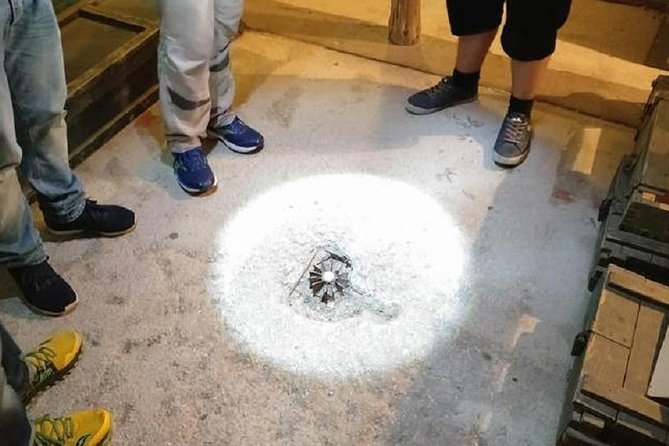
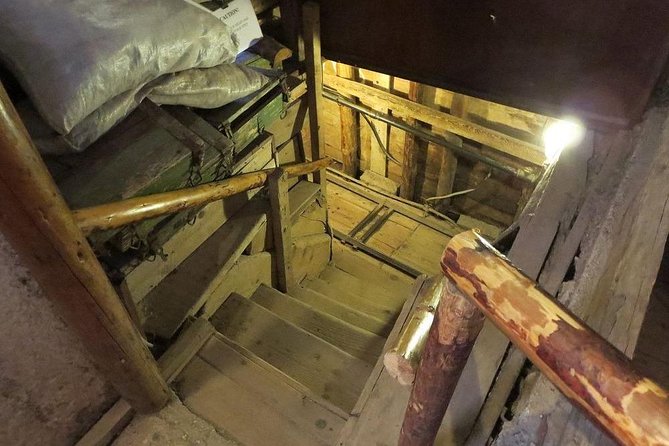
The Tunnel of Hope is the central experience. You spend about 50 minutes at the museum, and the entrance fee of €10 per person is paid separately in local currency.
During the siege, this narrow underground route served as Sarajevo’s secret lifeline. Supplies and other necessities were moved through it, helping the city survive despite the surrounding military pressure. The tunnel was not comfortable or grand. Its value came from what it made possible.
The museum gives physical form to the idea of survival. Instead of hearing only that people smuggled supplies into the city, you can see the kind of cramped passage involved. That helps you understand the effort, risk, and determination behind the operation.
The guide’s role is important here. Historical context can prevent the museum from becoming a quick photo stop. Adis and his team are known for explaining the siege in clear English and answering questions, including questions about the period from the end of Tito’s rule through the war and into modern Sarajevo.
Plan for the separate payment before you set out. The fee is €10, and it must be paid on site in local currency. Since this tour starts in the city center and uses an air-conditioned vehicle, the ride to the museum is part of the experience rather than a problem, but you should still allow enough time for the full visit.
The tunnel is not the kind of attraction you visit for comfort. Its importance comes from its plainness. You are shown a survival tool built under extreme conditions, and the narrow space makes the siege feel less remote.
The return drive and final Sarajevo view
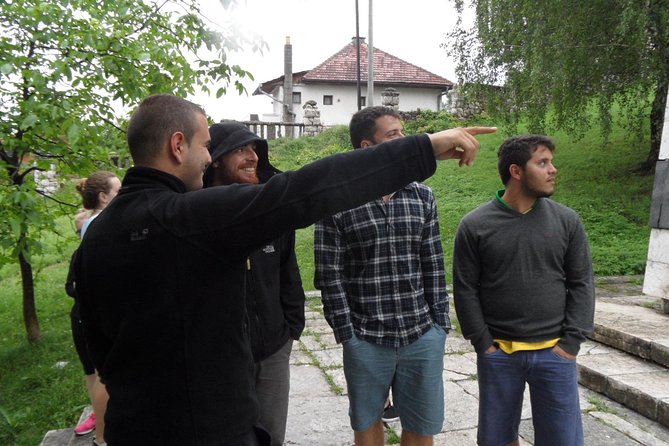
After the museum, the vehicle takes a scenic route back toward the city, ending with another broad view of Sarajevo. This final drive gives you a chance to organize what you have seen.
That return is more useful than it may sound. The earlier stops can feel emotionally heavy, and a moving view of the city gives the story a wider frame. Sarajevo is not only a place defined by the siege. It is also a living capital with neighborhoods, hills, public buildings, and daily routines continuing around those memories.
The final view also helps you compare the city from different angles. At the Yellow Fortress, the focus is on the valley and former front lines. On the return route, you get another look at Sarajevo as a whole. Seeing the city more than once helps you understand its geography without needing a long map lesson.
What the guide adds to the experience
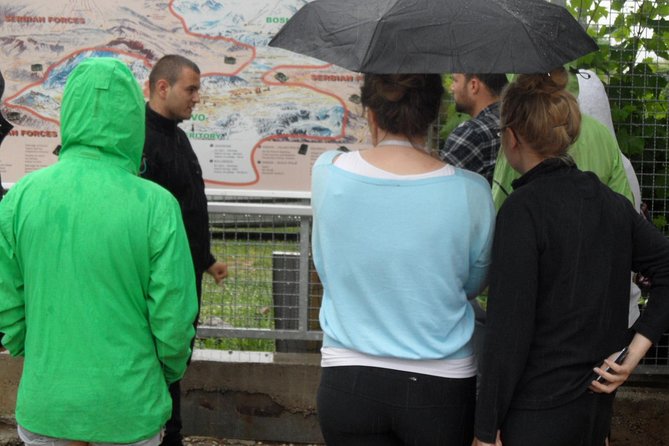
The strongest praise for this tour centers on the guiding. Adis Hamzic leads other Sarajevo experiences as well, and the guiding team includes an assistant who brings a younger local perspective. That can be valuable when the subject is recent enough to remain part of family and community memory.
You can expect excellent English and an open question-and-answer style. The guides explain the facts, but they also add personal context and practical suggestions for places to see around the old town. That makes this more useful than a fixed speech delivered at each stop.
The tone is another plus. The guides are described as charismatic, friendly, witty, and professional. Those qualities should not make the subject feel light. Instead, they help keep the afternoon human and approachable.
You should still ask questions if you want more detail. The tour covers a lot in a short time, from the end of Tito’s era to the present day. A question about a particular building, event, or period can help you focus the discussion on what matters most to you.
Group size, comfort, and timing
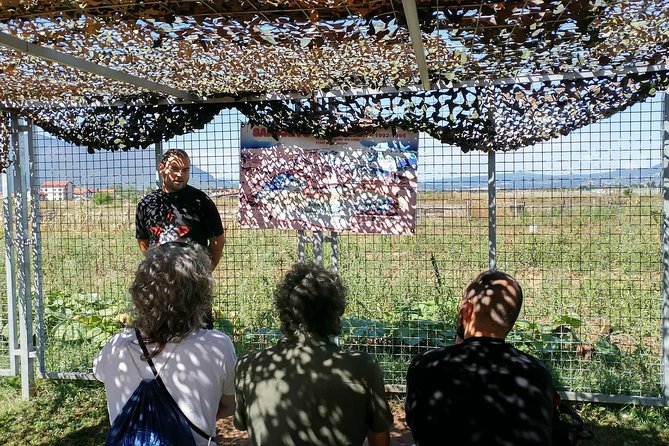
The maximum group size is 16, and the experience is often much smaller. A group of four with one guide has been possible, which gives you plenty of access to the guide and makes conversation easier.
Small groups are especially helpful on a history tour. You can ask about difficult subjects without interrupting a large crowd, and the guide can adjust the explanation to the people in the vehicle.
The tradeoff is space. A small group may still feel cramped in the car, particularly if the vehicle is full. The air conditioning is welcome, but do not book this expecting a roomy private car unless your departure happens to be very small.
The meeting point is Mula Mustafe Bašeskije 65 in Sarajevo, and the tour starts at 1 p.m. It returns to that same meeting point. The activity is near public transportation, service animals are allowed, and most people can take part.
The 1 p.m. departure is convenient if you want a relaxed morning in Sarajevo. It also means you should keep your lunch plans flexible enough to reach the meeting point on time.
Is $54.22 a fair price?
At $54.22 per person, the tour is not the cheapest way to see Sarajevo. But price matters less when you consider what is included: a two to three hour route, an air-conditioned vehicle, a professional local guide, transport between sites, and the chance to visit places spread around the city.
You also avoid having to work out how to connect the Yellow Fortress, stadium, memorials, Sniper Alley, Presidency Building, and Tunnel of Hope on your own. More important, you get the explanation that turns those places into one connected story.
The €10 museum fee is extra, and tips are optional. You should budget for both the entrance payment and a possible tip if the guide gives you a strong afternoon. Have local currency ready for the museum.
I see the price as good value for people who want a focused introduction to Sarajevo’s war history. It is less compelling if you already know the subject well, prefer to move slowly, or want a private vehicle with lots of room.
Who should book this Sarajevo tour?
I would recommend it to first-time visitors who want to understand the city beyond its old town. It suits history-minded people, those interested in recent European events, and anyone who wants a local guide to explain the connection between politics, geography, and daily survival.
It also works well if you have only a few days in Sarajevo. In one afternoon, you cover several significant sites and get a sense of how the city fits together.
Families with older children may find the route useful, though the subject is difficult. The memorial to the children killed during the siege can be especially sobering. Use your judgment based on the age and sensitivity of your children.
I would think twice if you dislike driving tours, need a lot of personal space, or want to spend long periods at museums. The tour is efficient, but it is not slow. You move between stops and receive a concentrated account of the siege.
Should you book Inside the Siege?
Book this tour if you want Sarajevo’s wartime story explained by a local guide rather than pieced together from plaques and maps. The combination of the Yellow Fortress, Sniper Alley, the children’s memorial, Olympic sites, and the Tunnel of Hope gives you both the city’s physical setting and its human cost.
The best reasons to choose it are the guides’ clear English, personal context, willingness to answer questions, and the compact route. The main cautions are the snug vehicle, short visits at some stops, and the extra museum fee.
For many people, this will be one of the most useful afternoons in Sarajevo. It does not make the subject easy, but it makes the city easier to understand.
FAQ
How long does the tour last?
The experience lasts approximately two to three hours.
What time does the tour start?
The tour starts at 1 p.m.
Where does the tour meet?
The meeting point is Mula Mustafe Bašeskije 65, Sarajevo 71000, Bosnia and Herzegovina.
Does the tour return to the starting point?
Yes. The activity ends back at the meeting point.
Is the Tunnel of Hope entrance fee included?
No. The museum entrance costs €10 per person and is paid separately on site in local currency.
How many people can join the tour?
The maximum group size is 16 people.
Is the tour offered in English?
Yes. The experience is offered in English.
Just added around Sarajevo
- Strbacki Buk and Una Waterfalls: Day Trip from Sarajevo★ 5.0 · 3 reviews
- Bosnian Kingdom Capitals: Travnik & Jajce Tour from Sarajevo★ 5.0 · 3 reviews
- Walking Tour in Sarajevo★ 5.0 · 3 reviews
- MTB Bjelasnica – Lukomir★ 5.0 · 3 reviews
- Sarajevo Under Siege: A City’s Struggle & Survival Tour★ 5.0 · 3 reviews
- Herzegovina Tour from Sarajevo: Mostar, Počitelj, Blagaj, Kravice★ 5.0 · 3 reviews
- Travnik, Jajce, Pliva Lakes & Mills –Medieval & Ottoman Bosnia Full Day Tour★ 5.0 · 3 reviews
- Tour of Herzegovina – From Sarajevo★ 5.0 · 3 reviews
Sarajevo Tours, compared.
Sarajevo: Mostar, Konjic, Blagaj Tekke, Pocitelj & Waterfall
Read our review →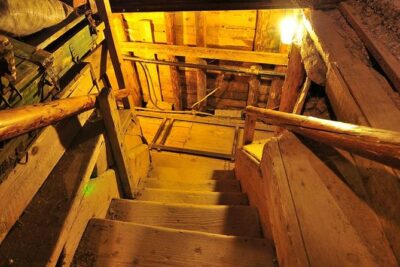
Fall of Yugoslavia, Sarajevo War Tour with Tunnel of Hope Museum and Frontlines
Read our review →
Sarajevo: Mostar, Konjic, Sufi House, Pocitelj & Kravice Falls
Read our review →
Sarajevo: 2 Hours Old Town Walking Tour With Local Guide
Read our review →
Sarajevo: Mostar, Konjic, Dervish House, Pocitelj & Kravica Falls
Read our review →
From Sarajevo: Srebrenica Genocide Memorial Study Tour
Read our review →
Mostar,Kravica Waterfall,Blagaj,Počitelj – Day Tour from Sarajevo
Read our review →
Sarajevo War Tour: A Veteran’s Story of the Siege (fees included)
Read our review →Browse the lists this tour appears in