
Reviewed · SARAJEVO TOURS
Sarajevo War Tour with TRAVELPLUS
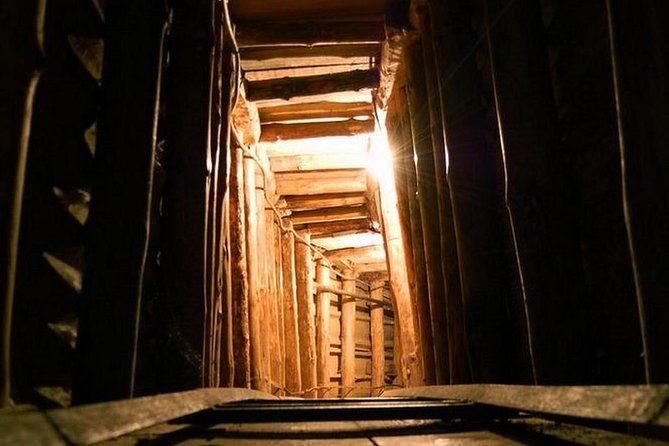
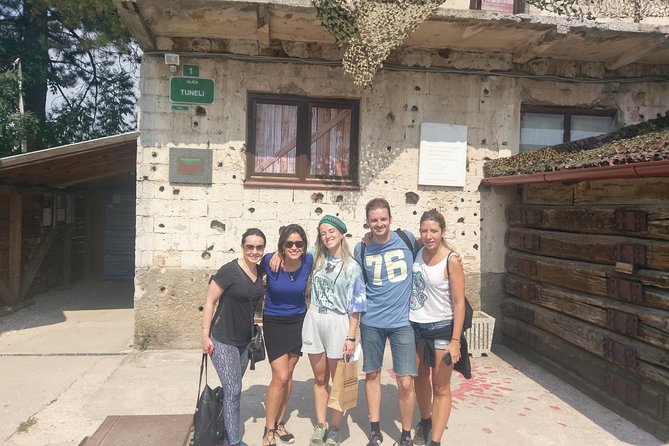
Sarajevo’s siege becomes painfully real when you walk through the short surviving section of the Tunnel of Hope, the underground route that kept the city connected during the war. This tour also takes you to the former Olympic bobsled track, later used as an artillery position, so you see both Sarajevo’s sporting glory and its wartime scars.
I like the small group size, capped at eight, and I like the personal approach of guides Haris and Aida. Haris, in particular, shares memories of living through the siege, giving the facts a human scale. The main drawback is that the Tunnel Museum entry fee is extra, and three to four hours can feel brief if you want a full study of Sarajevo’s modern history.
Key points
- Tunnel of Hope: Walk through part of the wartime tunnel that carried food, supplies, aid, weapons, and people beneath the airport.
- First-hand history: Haris and Aida bring personal memories of the siege alongside the wider historical account.
- Sniper Alley viewpoint: Pause for a panoramic look at one of Sarajevo’s most famous wartime corridors.
- Trebević bobsled track: See the abandoned 1984 Olympic venue that was later used as an artillery position.
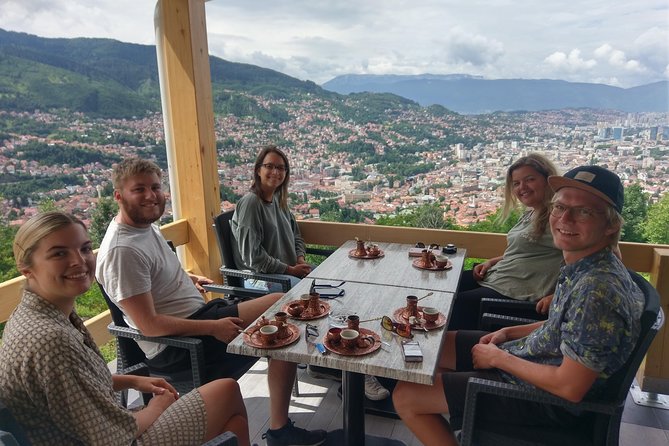
- Zmajevac stop: Take in wide city views, enjoy coffee or tea, and hear why Bosnian coffee matters locally.
- Easy central pickup: Meet beside Hostel Vagabond on Ferhadija Street and return to the same point.
Why the Tunnel of Hope Changes Your View of Sarajevo
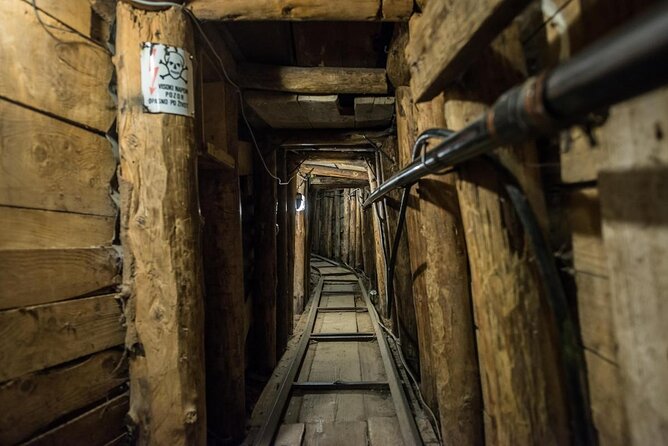
The Sarajevo War Tour is built around one hard fact: during the siege, the city was cut off by Serbian forces. The airport was controlled by the United Nations, and Sarajevo’s defenders needed a way to move people and supplies through the blockade.
The answer was a narrow underground tunnel built between March and June 1993. It linked Dobrinja and Butmir, passing beneath the airport area and joining Sarajevo with Bosnian-held territory. Food, humanitarian aid, military supplies, and weapons came in through this route. People also used it to escape the besieged city.
The museum preserves part of that tunnel. You should not expect a long underground walk. The surviving section is limited, but that is part of its power. A short passage can say more than a large exhibit when you understand what it represented: a lifeline, a transport route, and one of the few ways around the international arms embargo.
I find this stop especially valuable because it turns a war story into a physical experience. You see the confined space. You begin to picture the effort required to carry supplies through it. The guide’s explanation gives the tunnel its wider meaning, while personal memories from the siege help you understand how ordinary people depended on it.
The entrance ticket is not included in the tour price, so budget separately for the museum. That is a small but important detail when comparing the overall cost.
More Sarajevo war and siege history tours:
- Fall of Yugoslavia, Sarajevo War Tour with Tunnel of Hope Museum and Frontlines
★ 5.0 · 1,314 reviews - Tunnel Museum: Bosnian & Yugoslav Wars Tour with War Veteran
★ 5.0 · 551 reviews - Sarajevo War Tour: A Veteran’s Story of the Siege (fees included)
★ 5.0 · 326 reviews
Haris and Aida Put Faces to the War
The strongest part of this experience is the guide. Haris is described as friendly, open, and able to answer a wide range of questions. More important, he lived through the Bosnian War and shares his own memories of the tunnel, Sniper Alley, and daily life during the siege.
That personal connection changes the tone. You are not simply moving from one historical site to another while hearing dates and names. You are hearing how the war affected people who were there. Haris’s stories cover both the major events and the practical details of survival.
Aida may also lead part of the tour. One account describes a tour first led by Aida, with Haris continuing the visit afterward. That suggests the experience can have a family-run, personal feel rather than the distant style of a large coach excursion.
You should still remember that personal storytelling is not the same as a full academic history lesson. The tour is best for gaining context, seeing key places, and understanding the siege through local experience. If you want a detailed military timeline or a long museum visit, you may need to add other Sarajevo museums and memorials on your own.
The group limit of eight matters here. A small group gives you a better chance to ask questions and hear the guide clearly. It also suits a subject that calls for thought and conversation rather than a loud crowd moving quickly from stop to stop.
Sniper Alley and the Shape of a Besieged City
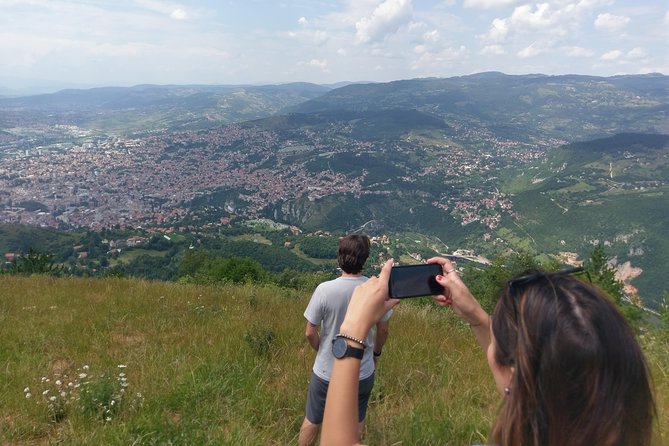
The first listed stop is Sniper Alley, seen from a panoramic viewpoint, with about 15 minutes set aside. The name refers to a major Sarajevo corridor associated with sniper fire during the siege.
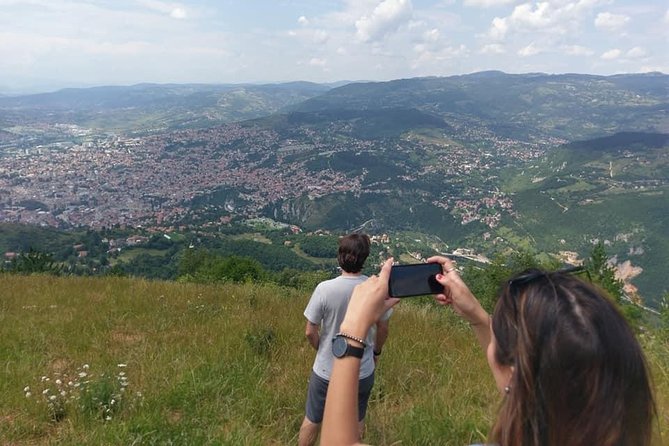
This is a short stop, but it helps you read the city. Sarajevo is surrounded by hills, and the high ground made the city vulnerable during the war. From a viewpoint, you can connect the city’s physical layout with the military problem faced by residents below.
Do not expect a long walk or an extensive site presentation here. The stop is mainly about orientation and explanation. Its value depends on the guide pointing out the relevant areas and helping you understand how the road functioned during the siege.
I like this kind of brief panoramic pause because it breaks up the museum visits and gives you a sense of place. You are not only hearing about Sarajevo as an abstract war zone. You are looking across the actual city, its roads, neighborhoods, and surrounding slopes.
A 15-minute stop is also practical. It keeps the tour moving and leaves more time for the Tunnel Museum and Trebević. If you want to linger at every viewpoint, this schedule may feel fast.
Zmajevac Offers Coffee and a Wider City View
The stop at Zmajevac lasts about an hour and combines views with a more relaxed cultural moment. From here, you look across Sarajevo and hear about Bosnian coffee, including why it is considered especially good.
Coffee is a useful fit for this tour. After the emotional weight of the tunnel and the wartime discussion, sitting with a hot drink gives you time to process what you have seen. Coffee and tea are included, which adds a modest but welcome touch to the day.
The stop is also a chance to ask questions that may not fit neatly into a museum display. You can discuss Sarajevo’s recent history, the war, daily life, or the guide’s personal experience. The tone remains informal, and that can make difficult subjects easier to approach.
The exact presentation at Zmajevac may depend on the guide and the group. The published information promises a panoramic view and coffee or tea, but it does not specify a formal tasting, meal, or extended cultural program. Treat it as a scenic pause with conversation, not as a dedicated food tour.
For photography, this is likely one of the more useful stops. The view helps you understand Sarajevo’s valley setting, while the coffee gives you a simple local ritual to enjoy. You get a change of pace without leaving the main theme of the tour.
A few more Sarajevo day trips to weigh up
- Sarajevo: Mostar, Konjic, Blagaj Tekke, Pocitelj & Waterfall
★ 4.9 · 1,335 reviews - Sarajevo: Mostar, Konjic, Sufi House, Pocitelj & Kravice Falls
★ 5.0 · 1,179 reviews - ROSES OF SARAJEVO (Official WAR + CITY tour)- Story of a Survivor
★ 5.0 · 770 reviews - Sarajevo: Mostar, Konjic, Počitelj, Sufi House, & Waterfalls
★ 4.9 · 572 reviews
Trebević’s Olympic Track Tells a Second Sarajevo Story
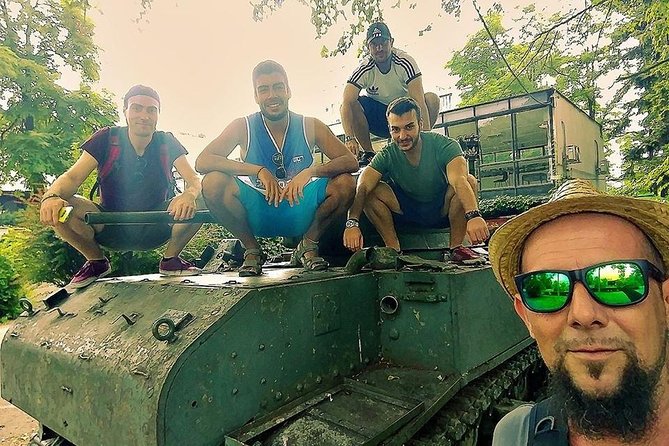
Trebević is home to Sarajevo’s abandoned bobsleigh and luge track, built for the 1984 Winter Olympic Games. The venue once represented international sport and a confident, forward-looking Sarajevo.
During the Siege of Sarajevo, the track was used as an artillery position. That contrast gives the stop its force. In one place, you see the remains of an Olympic project and the later military use of the mountain.
The visit lasts about an hour. You can expect time to look at the abandoned track and hear how its role changed during the war. The setting also adds a mountain view to a tour that otherwise focuses on roads, neighborhoods, and the tunnel.
This stop is not only a war site. It shows how quickly a place associated with peace and international cooperation could be pulled into conflict. For many people, that contrast makes the bobsled track one of the most memorable parts of the day.
You should wear practical shoes. The information provided does not describe the exact walking conditions, so I would not assume a fully paved or museum-style visit. The tour includes transportation, but you will still spend time outside at the stop.
The track may appeal to you even if you are interested in the Olympics as much as the war. It connects Sarajevo’s 1984 global moment with the city’s later suffering and survival.
A Small Vehicle Makes the Route Easier
The tour lasts approximately three to four hours and uses an air-conditioned vehicle. Pickup is at Hostel Vagabond Sarajevo, on Ferhadija 21, and the tour returns to the same meeting point.
That arrangement works well if you are staying in central Sarajevo or can reach the meeting point by public transport. You avoid arranging separate taxis to the Tunnel Museum, Trebević, and the city viewpoints. The vehicle also matters because these sites are spread across different parts of Sarajevo and its surrounding hills.
The tour is mobile-ticket friendly, so you can keep the booking on your phone. Confirmation is sent within 48 hours, subject to availability. The activity requires a minimum number of participants, so a cancellation for that reason can result in an alternative date or a full refund.
Most people can participate, according to the supplied information. Still, the tour includes a tunnel visit, a mountain stop, and time outside, so anyone with mobility concerns should ask the operator for current details before booking. The published information does not provide a specific accessibility description.
The group maximum of eight is one of the better practical features. A small group allows the vehicle route to stay flexible and makes it easier to speak with Haris or Aida. It also reduces the chance that the historical explanation becomes a one-way speech from the front of a large bus.
Is $46.25 a Fair Price?
At $46.25 per person, the tour offers good value if you want transport and a guide for several important sites in one half-day. You are paying for the vehicle, guiding, coffee or tea, and the convenience of linking the Tunnel of Hope with Sniper Alley, Zmajevac, and Trebević.
The price does not include entry to the Tunnel Museum. Add that cost before comparing this experience with other Sarajevo war tours. Even with the extra ticket, the package can make sense because the sites are not all within an easy walk of one another.
The value also depends on what kind of history experience you want. If you prefer a self-guided museum visit and already have transport, you could spend less. But you would miss the benefit of having a local guide explain how the sites relate to each other and share personal memories of the siege.
I would consider the price especially reasonable for a first visit to Sarajevo. The tour gives you a clear introduction in a manageable time, leaving the rest of your day free for the city center, museums, or a slower meal.
What to Know Before You Book
This is a serious tour. The Tunnel of Hope and Sniper Alley are connected to civilian suffering, displacement, and years of danger. You may find the personal stories moving, and the subject deserves a respectful attitude.
I would book it early in a Sarajevo stay. The tour can give you context for other places you see around town, including war memorials and damaged buildings. You will also have time afterward to think about the experience instead of trying to fit it into your final few hours.
Bring a phone or camera if you want views from Zmajevac and Trebević, but do not let photography become the main purpose of the visit. The important parts of the tour come from listening closely and asking questions.
You should choose this experience if you want:
- A short introduction to the Siege of Sarajevo
- A visit to the Tunnel of Hope Museum
- First-hand stories from a local guide
- A small group instead of a large coach
- A mix of war history, city views, and Olympic history
- Transport to sites outside the central walking area
You may want a different format if you prefer a long, detailed military history tour, a full-day schedule, or extensive museum time. The three to four-hour length gives you a useful outline, not a complete account of Bosnia’s war.
Final Verdict: Book It for Context and Human Stories
I recommend the Sarajevo War Tour with Travelplus if you want to understand the city’s recent past through places you can actually see. The Tunnel of Hope is the essential stop, but the tour gains depth from the combination of Sniper Alley, Zmajevac, and the Trebević bobsled track.
The best reason to book is the guide’s personal connection. Haris and Aida bring warmth and direct experience to a subject that can otherwise feel remote. At $46.25, the small group, air-conditioned transport, coffee or tea, and half-day route make this a sensible choice for a first Sarajevo visit.
Just allow extra money for the Tunnel Museum ticket, and do not expect every wartime detail to fit into one afternoon. Book this tour if you want a focused, moving introduction. Add other museums and memorials later if you want the full story.
FAQ
How long does the Sarajevo War Tour last?
The tour lasts approximately three to four hours.
Where does the tour start and end?
It starts at Hostel Vagabond Sarajevo, Ferhadija 21, Sarajevo 71000, and returns to the same meeting point.
Is admission to the Tunnel of Hope Museum included?
No. The Tunnel Museum entry ticket is not included in the tour price.
What sites are visited?
The tour includes the Sarajevo War Tunnel, Sniper Alley, Zmajevac, and the Sarajevo Olympic Bobsleigh and Luge Track on Trebević Mountain.
How many people can join the tour?
The tour has a maximum group size of eight people.
Is cancellation free?
You can cancel at least 24 hours before the experience start time for a full refund. Cancellations or changes made less than 24 hours before the start time are not accepted for a refund.
Just added around Sarajevo
- Strbacki Buk and Una Waterfalls: Day Trip from Sarajevo★ 5.0 · 3 reviews
- Bosnian Kingdom Capitals: Travnik & Jajce Tour from Sarajevo★ 5.0 · 3 reviews
- Walking Tour in Sarajevo★ 5.0 · 3 reviews
- MTB Bjelasnica – Lukomir★ 5.0 · 3 reviews
- Sarajevo Under Siege: A City’s Struggle & Survival Tour★ 5.0 · 3 reviews
- Herzegovina Tour from Sarajevo: Mostar, Počitelj, Blagaj, Kravice★ 5.0 · 3 reviews
- Travnik, Jajce, Pliva Lakes & Mills –Medieval & Ottoman Bosnia Full Day Tour★ 5.0 · 3 reviews
- Tour of Herzegovina – From Sarajevo★ 5.0 · 3 reviews
Sarajevo Tours, compared.
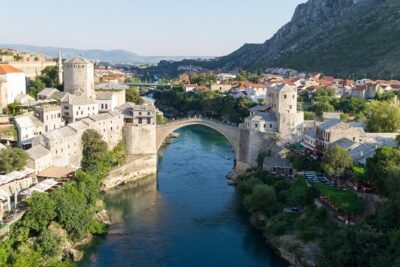
Sarajevo: Mostar, Konjic, Blagaj Tekke, Pocitelj & Waterfall
Read our review →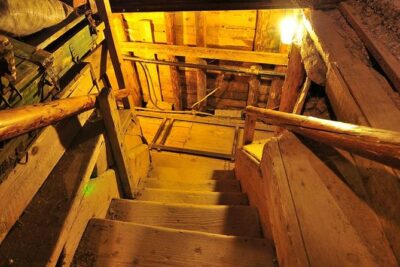
Fall of Yugoslavia, Sarajevo War Tour with Tunnel of Hope Museum and Frontlines
Read our review →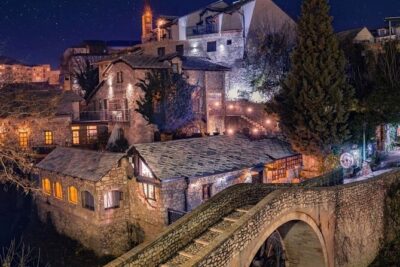
Sarajevo: Mostar, Konjic, Sufi House, Pocitelj & Kravice Falls
Read our review →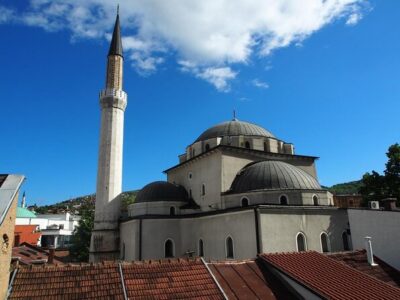
Sarajevo: 2 Hours Old Town Walking Tour With Local Guide
Read our review →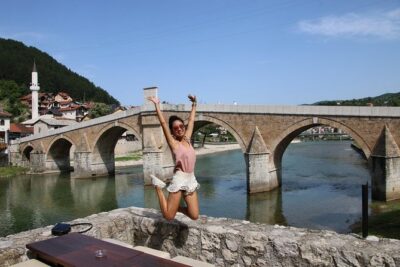
Sarajevo: Mostar, Konjic, Dervish House, Pocitelj & Kravica Falls
Read our review →
From Sarajevo: Srebrenica Genocide Memorial Study Tour
Read our review →
Mostar,Kravica Waterfall,Blagaj,Počitelj – Day Tour from Sarajevo
Read our review →
Sarajevo War Tour: A Veteran’s Story of the Siege (fees included)
Read our review →Browse the lists this tour appears in