
Reviewed · SARAJEVO TOURS
Times of Misfortune – Life Under Siege and the Tunnel of Hope
Sarajevo’s Tunnel of Hope is the heart of this experience. You see the narrow passage that linked besieged Sarajevo with the outside world, then connect it to the streets, hospitals, markets, and government buildings that shaped daily life during the war. The result is a tour about people, not just dates.
I like the way the route joins wartime sites with city landmarks, including City Hall, Markale Market, the Presidency Building, and Sniper Alley. I also like the chance to have a guide such as Nermin, a former police officer who lived through the siege, explain events through personal experience. The main drawback is that much of the central route is viewed from the vehicle, and the Tunnel of Hope admission is not included in the price.
Key points to know before booking
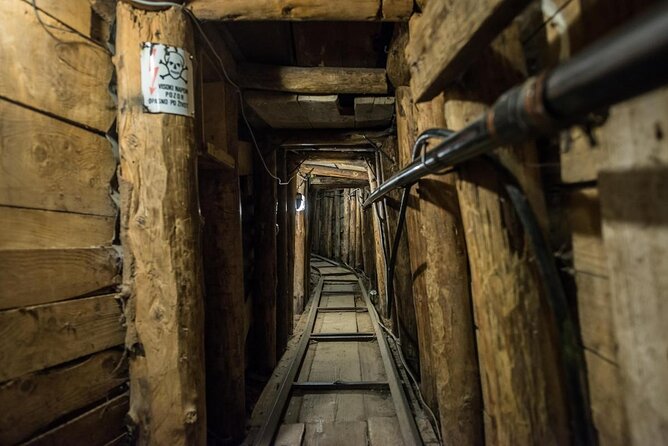
- The Tunnel of Hope is the main visit: Allow 1 hour and 15 minutes for the museum and tunnel site.
- Personal accounts add weight: Guides such as Nermin have described life in Sarajevo during the siege from direct experience.
- Yellow Fortress gives the best early view: You get a broad look at Sarajevo and its wartime defenses.
- Transport covers a wide route: The tour links the old center with the Olympic venues, maternity hospital, Sniper Alley, and the tunnel.
- The museum ticket costs extra: Adults pay 20 BAM, or about €10.50, while students pay 8 BAM, or about €4.50.
- This is a serious history tour: It suits you if you want clear context and sober stories rather than a light sightseeing outing.
Why the Tunnel of Hope gives Sarajevo’s siege a human scale
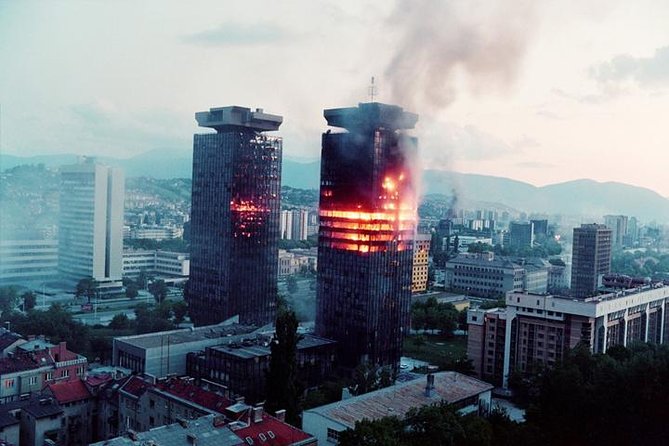
The Siege of Sarajevo can feel like a distant political story when you encounter it only in books or on television. This tour brings it down to street level. You follow the route of a city that was cut off, then see the underground passage that helped keep people, supplies, and communication moving.
The tunnel visit is especially powerful because it is physical and easy to understand. You do not need a military background to grasp its purpose. A passage under the airport connected Sarajevo with territory outside the siege ring, giving the city a fragile link to the wider world.
You spend about 1 hour and 15 minutes at the Tunnel of Hope Museum. The visit includes stories, a film about the siege, and an explanation of how the tunnel was built and used. The museum ticket is separate, so add 20 BAM for an adult or 8 BAM for a student when you work out the real cost.
I would not treat this as a casual stop between cafés. The subject includes death, fear, destruction, and the strain of ordinary life under attack. It is suitable for most people physically, but you should choose it because you want to think about Sarajevo’s recent past.
More Sarajevo war and siege history tours:
- Fall of Yugoslavia, Sarajevo War Tour with Tunnel of Hope Museum and Frontlines
★ 5.0 · 1,314 reviews - Tunnel Museum: Bosnian & Yugoslav Wars Tour with War Veteran
★ 5.0 · 551 reviews - Sarajevo War Tour: A Veteran’s Story of the Siege (fees included)
★ 5.0 · 326 reviews
Starting at Zelenih beretki 30
The meeting point is Sarajevo Insider, City Tours and Excursions, at Zelenih beretki 30 in central Sarajevo. You meet your licensed guide there, and the tour returns to the same place at the end.
The listed duration is about 3 hours and 30 minutes. That is a useful length for this subject. A shorter outing could rush the siege story, while a much longer one might feel heavy unless you have a strong interest in modern Balkan history.
Transportation is included, which matters here. The route covers several parts of Sarajevo and reaches the Tunnel of Hope outside the central sightseeing area. You are not left to work out separate taxis or public transport between each stop.
The group can have up to 20 people. That is small enough for a guide to speak directly to the group, though the experience can still feel less personal than a private tour. It is offered in English and includes a mobile ticket.
Yellow Fortress and Kovači Cemetery: the tour’s quiet opening
The first substantial stop is Yellow Fortress, where you have about 20 minutes. The fortress provides broad views over Sarajevo and helps you understand the city’s position in the surrounding hills. Those same hills became important during the siege, when the city below was exposed to fire from elevated positions.
This is a good place to begin because it gives you a sense of direction before the vehicle route becomes more detailed. Look across the city and consider how close the surrounding slopes are to the urban center. The view is attractive, but the guide’s explanation is what turns it into a meaningful stop.
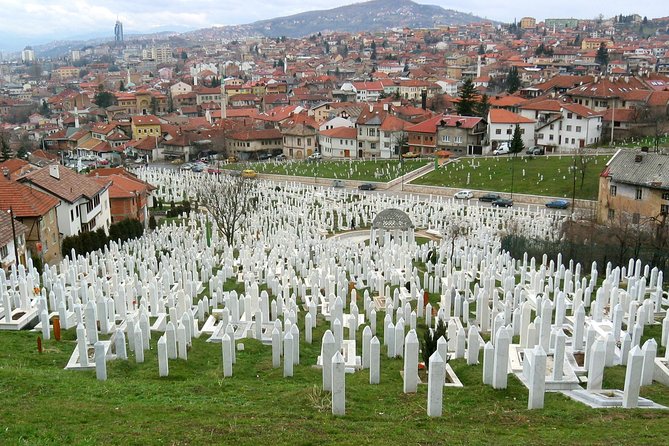
The next visit is Kovači Cemetery, a national memorial to Bosnia’s defenders from the 1992 to 1995 war. The stop lasts about five minutes, so expect a brief moment of reflection rather than a long cemetery visit.
The cemetery changes the tone of the morning. Yellow Fortress helps you read the city’s geography, while Kovači reminds you of the human cost behind the conflict. Keep the short timing in mind. If you prefer extended time at memorials, this stop may feel too quick.
City Hall, Markale, and the streets that carried the war
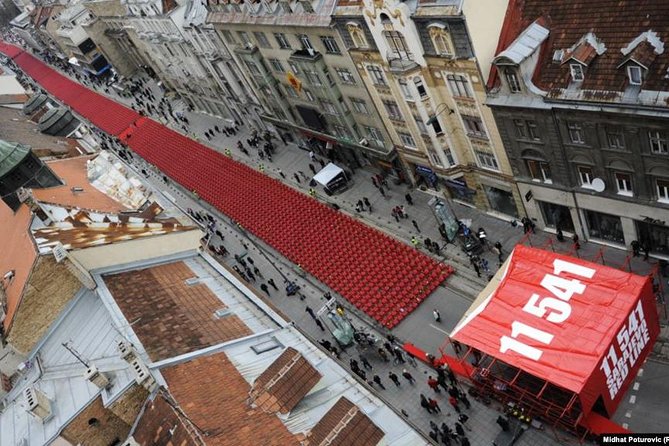
Much of the central route is seen while passing by. That includes City Hall, Markale City Market, Trg Djece Sarajeva, and the Presidency Building.
City Hall is tied to Sarajevo’s cultural life and to its wartime destruction and later restoration. Seeing it from the route gives you a useful connection between the city’s grand Austro-Hungarian architecture and the damage caused during the siege.
Markale Market is important for a different reason. It was a working marketplace and the site of key wartime events. You may not stop to walk through it, so listen closely as the guide explains what happened there and why the location matters.
Trg Djece Sarajeva, or Sarajevo Children’s Square, adds another human layer. Its name points to the children affected by the siege and to Sarajevo’s effort to remember them. The Presidency Building shows where political power was based during the conflict and helps connect street-level suffering with decisions made at the center of government.
These pass-by stops are informative, but they are not full museum visits. If you want time to take photographs, study façades, or explore each location on foot, you will need to return later. The advantage is that the vehicle keeps the tour moving and leaves more time for the main museum visit.
A few more Sarajevo day trips to weigh up
- Sarajevo: Mostar, Konjic, Blagaj Tekke, Pocitelj & Waterfall
★ 4.9 · 1,335 reviews - Sarajevo: Mostar, Konjic, Sufi House, Pocitelj & Kravice Falls
★ 5.0 · 1,179 reviews - ROSES OF SARAJEVO (Official WAR + CITY tour)- Story of a Survivor
★ 5.0 · 770 reviews - Sarajevo: Mostar, Konjic, Počitelj, Sufi House, & Waterfalls
★ 4.9 · 572 reviews
Olympic Sarajevo at Asim Ferhatović Hase Stadium
The tour then reaches Asim Ferhatović Hase Stadium, part of Sarajevo’s Olympic identity. You have about 10 minutes here, with attention also given to Olympic Stadium and Hall Zetra.
Sarajevo hosted the Winter Olympics in 1984, long before the city became known around the world for the siege. The stadium and Zetra help you see that contrast. Sarajevo was an international sports center, then became a city under attack, with familiar public spaces taking on new wartime roles.
A ten-minute stop is enough for a short explanation and a look around. It is not enough for a full Olympic site visit, so think of this as context rather than a separate attraction. I find that useful because the tour does not present Sarajevo only as a place of suffering. It also shows the city before the war and the identity it continues to carry.
The maternity hospital and the cost of ordinary life
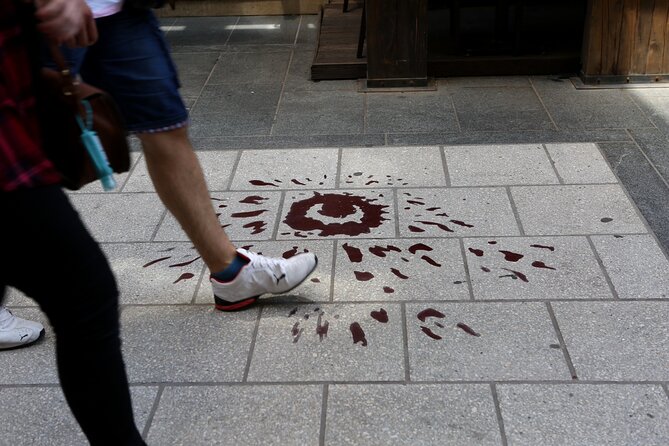
At Sarajevo’s maternity hospital, the group spends about 10 minutes learning about the medical staff who worked during the siege.
This stop helps move the story away from soldiers and political leaders. A hospital is a place associated with birth, care, and safety, yet staff had to keep working under extreme conditions. The guide’s account gives you a clearer idea of how the siege affected basic services and family life.
The visit is brief, but its subject is not minor. It shows why a siege is more than a line on a map or a military tactic. It changes childbirth, medical care, food supplies, transport, and the daily choices made by civilians.
You may find this stop emotionally difficult, particularly when combined with the later visit to the tunnel. That is part of the tour’s purpose, but it is worth knowing before you book. This is not a polished war-history presentation that keeps personal suffering at a safe distance.
Parliament, Holiday Inn, RTV Dom, and Sniper Alley
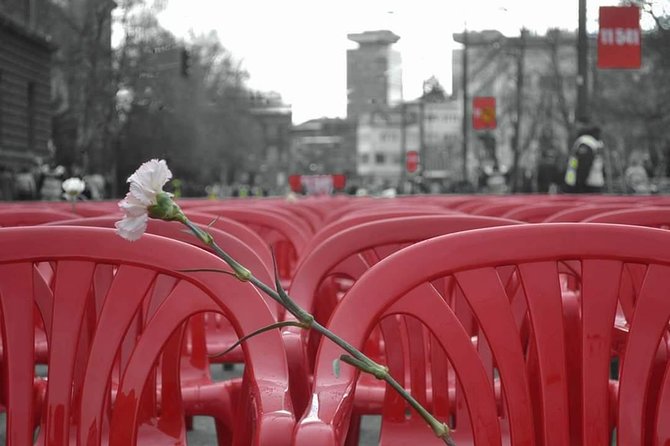
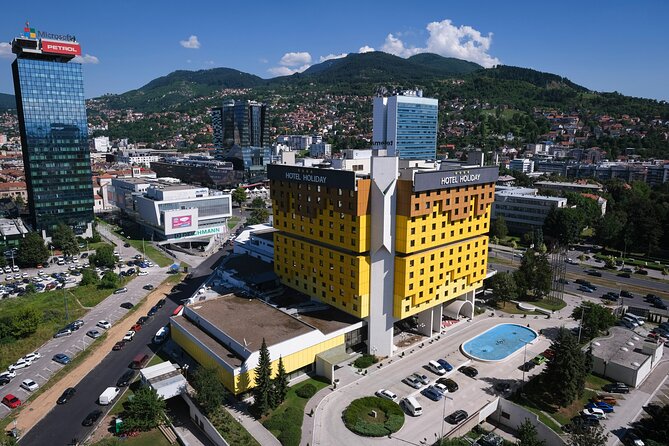
The route passes the Parliament and Holiday Inn Hotel, both linked to the wartime story. The Holiday Inn became familiar to journalists covering the siege, while Parliament was tied to political decisions during the conflict.
You also pass RTV Dom, the national television building that broadcast during key moments of the war. These stops help explain how news, politics, and public information worked while Sarajevo was under attack.
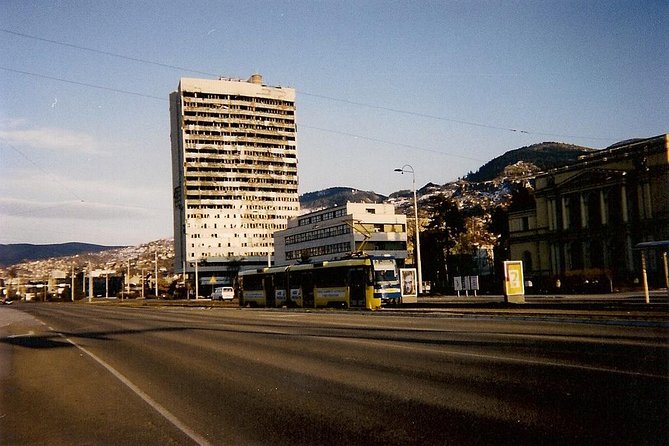
Sniper Alley is perhaps the most recognizable name on the route. The tour drives along the street known for its danger during the siege. You see it as part of the modern city, but the guide’s explanation helps you understand why crossing or traveling along certain roads could be life-threatening.
This part of the tour works best when you pay attention to the ordinary details around you. Streets that now carry traffic and daily business once demanded careful movement and constant awareness. The contrast can be unsettling, and it is one reason a vehicle tour is useful. You cover more ground and see how the sites relate to one another.
Still, do not expect every landmark to receive a long stop. Several are viewed from the vehicle. If your priority is photography or close architectural study, plan a separate walking circuit in central Sarajevo.
Inside the Tunnel of Hope Museum
The final major stop is the Tunnel of Hope Museum. Admission is not included, and the adult price is 20 BAM, listed as about €10.50. Students pay 8 BAM, or about €4.50.
The museum explains the tunnel’s construction, purpose, and importance during the siege. A film and personal stories add context before or alongside the passage itself. The tunnel was not a grand engineering project. Its importance came from what it allowed Sarajevo to do: maintain a connection with the outside world when normal routes were blocked.
You spend around 1 hour and 15 minutes here, making it the longest stop on the tour. That is sensible. The site needs explanation, and rushing through it would reduce the visit to a narrow corridor without the human story behind it.
The tunnel is also the portion most likely to stay with you after the tour. You can understand a map intellectually, but walking through a surviving section gives the siege a scale your imagination may not provide. The space makes clear how difficult movement and supply must have been.
The guide matters greatly here. Nermin is named in several accounts of the experience and is described as a former police officer who lived through the war. If he leads your group, his first-hand memories can add a personal layer to the film and museum displays. Guides can vary, so you should see the general promise as a local perspective rather than a guarantee that one specific guide will lead every departure.
Is the $32.58 price good value?
The listed price is $32.58 per person. That includes a licensed English-speaking guide and transportation for roughly three and a half hours, but not the Tunnel of Hope ticket.
I consider that a fair price for the amount of ground covered. You are not simply paying for a minibus ride. The tour joins viewpoints, memorials, Olympic sites, hospitals, government buildings, media offices, a wartime street, and the tunnel museum into one clear story.
The extra museum fee is modest, but remember to include it in your budget. For an adult, the actual outing costs the tour price plus 20 BAM. Students pay much less at the museum, with admission listed at 8 BAM.
The value depends on what you want from Sarajevo. If you only want panoramic views and old-town architecture, spend your money elsewhere. If you want to understand the city’s recent past without arranging transport to the tunnel yourself, this tour offers a practical package.
The group size can reach 20 people. That is not intimate, but it is still manageable. If you want a fully private conversation or the freedom to linger at every stop, a private guide may suit you better.
Who should book this experience?
I would recommend it to you if you are visiting Sarajevo for the first time and want a clear introduction to the siege. It also suits anyone who has read about the conflict but wants to connect those events to actual streets and buildings.
The tour is especially useful for:
- People interested in twentieth-century European history
- Visitors who want a local guide’s personal perspective
- Anyone who prefers a guided route over arranging several taxis
- Students and adults who want the Tunnel of Hope explained in context
- Visitors with about half a day available for a serious subject
You should think twice if you want a relaxed sightseeing tour with little discussion of war. The subject is painful, and several stops involve civilian suffering, death, and destruction. The route also includes short pass-by views rather than long visits at every landmark.
Book early if your schedule is fixed. The experience is often reserved around 10 days ahead. You receive confirmation when booking, and free cancellation is available until 24 hours before the start time. The tour needs good weather and a minimum number of participants, so poor weather or low demand can lead to a new date, another experience, or a full refund.
Should you book Times of Misfortune?
Book it if you want Sarajevo’s siege explained through places you can see and a tunnel you can physically enter. The strongest parts are the Tunnel of Hope, the guide’s personal context, Yellow Fortress, and the way the route connects hospitals, markets, government buildings, and media sites.
Do not book it expecting a gentle city tour or a full walking visit at every stop. Several landmarks pass by the vehicle, the museum ticket costs extra, and the subject demands attention.
For most first-time visitors who want to understand Sarajevo beyond its cafés and handsome old buildings, I think the tour is worth the price. It gives you a useful framework for exploring the city on your own afterward, and the Tunnel of Hope provides a lasting final chapter.
FAQ
Where does the tour start and finish?
The tour starts at Sarajevo Insider, City Tours and Excursions, at Zelenih beretki 30 in Sarajevo. It ends back at the same meeting point.
How long does the experience last?
The tour lasts approximately 3 hours and 30 minutes.
Is transportation included?
Yes. Transportation and a licensed guide are included in the tour price.
Is the Tunnel of Hope museum ticket included?
No. Adults pay 20 BAM, listed as about €10.50, and students pay 8 BAM, listed as about €4.50.
What language is the tour offered in?
The tour is offered in English.
How many people can join the tour?
The maximum group size is 20 people.
What are the main places visited?
The route includes Yellow Fortress, Kovači Cemetery, Asim Ferhatović Hase Stadium, Sarajevo’s maternity hospital, and the Tunnel of Hope Museum. It also passes City Hall, Markale Market, Trg Djece Sarajeva, the Presidency Building, Parliament, the Holiday Inn, Sniper Alley, and RTV Dom.
Can I cancel for a full refund?
Yes, you can cancel up to 24 hours before the experience start time for a full refund. Cancellations or changes made less than 24 hours in advance are not refunded or accepted. If poor weather or an insufficient number of participants causes the tour to be canceled, you are offered another date or experience, or a full refund.
Just added around Sarajevo
- Strbacki Buk and Una Waterfalls: Day Trip from Sarajevo★ 5.0 · 3 reviews
- Bosnian Kingdom Capitals: Travnik & Jajce Tour from Sarajevo★ 5.0 · 3 reviews
- Walking Tour in Sarajevo★ 5.0 · 3 reviews
- MTB Bjelasnica – Lukomir★ 5.0 · 3 reviews
- Sarajevo Under Siege: A City’s Struggle & Survival Tour★ 5.0 · 3 reviews
- Herzegovina Tour from Sarajevo: Mostar, Počitelj, Blagaj, Kravice★ 5.0 · 3 reviews
- Travnik, Jajce, Pliva Lakes & Mills –Medieval & Ottoman Bosnia Full Day Tour★ 5.0 · 3 reviews
- Tour of Herzegovina – From Sarajevo★ 5.0 · 3 reviews
Sarajevo Tours, compared.
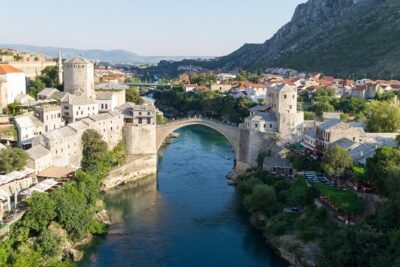
Sarajevo: Mostar, Konjic, Blagaj Tekke, Pocitelj & Waterfall
Read our review →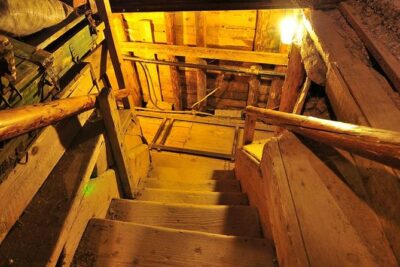
Fall of Yugoslavia, Sarajevo War Tour with Tunnel of Hope Museum and Frontlines
Read our review →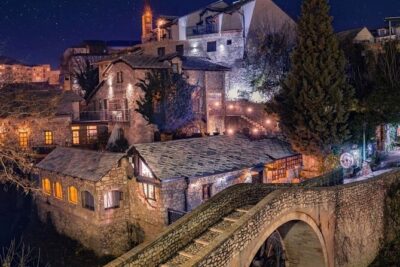
Sarajevo: Mostar, Konjic, Sufi House, Pocitelj & Kravice Falls
Read our review →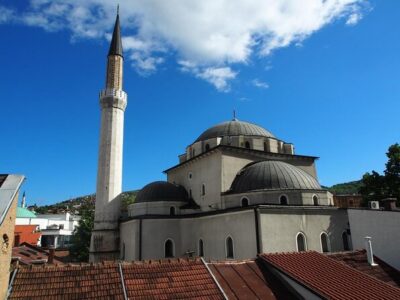
Sarajevo: 2 Hours Old Town Walking Tour With Local Guide
Read our review →
Sarajevo: Mostar, Konjic, Dervish House, Pocitelj & Kravica Falls
Read our review →
From Sarajevo: Srebrenica Genocide Memorial Study Tour
Read our review →
Mostar,Kravica Waterfall,Blagaj,Počitelj – Day Tour from Sarajevo
Read our review →
Sarajevo War Tour: A Veteran’s Story of the Siege (fees included)
Read our review →Browse the lists this tour appears in