
Reviewed · SARAJEVO TOURS
Utopia of Tito’s Yugoslavia, Tito’s Bunker & Siege of Sarajevo
The most striking part of this day is the jump from Yugoslavia’s grand Cold War plans to Sarajevo’s very human wartime struggle. You’ll walk through Tito’s secret nuclear bunker, then trace the Siege of Sarajevo at the War Tunnel, on Trebević, and beside the old Olympic ruins.
I like the small maximum group of eight, which gives the guide room to explain difficult subjects and answer questions. I also like the mix of military history, Olympic sites, mountain views, and local memory. Guides such as Hamza, Emir, Ahmed, Salem, Mustafa, Amir, and Agnar are praised for bringing personal feeling and clear detail to the day.
The main drawback is its length. At about 10 hours, with several mountain stops and a long drive to Konjic, this is a full day rather than a gentle city outing. Lunch is not included, and the schedule can feel packed if you want plenty of time at every site.
Key points to know before booking
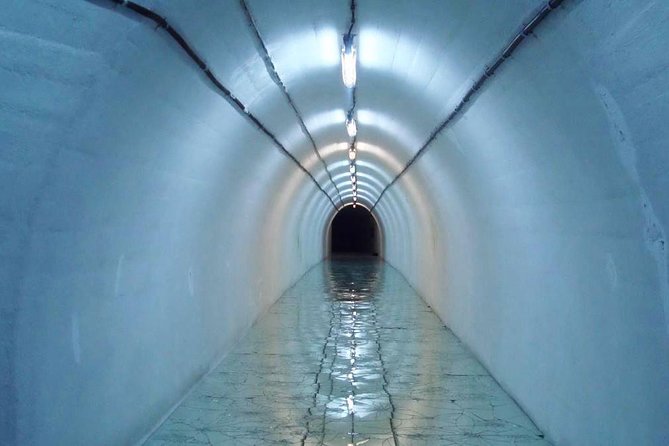
- Tito’s bunker is the star attraction: ARK D-0 is a vast Cold War command center built to shelter 350 Yugoslav leaders and army officers.
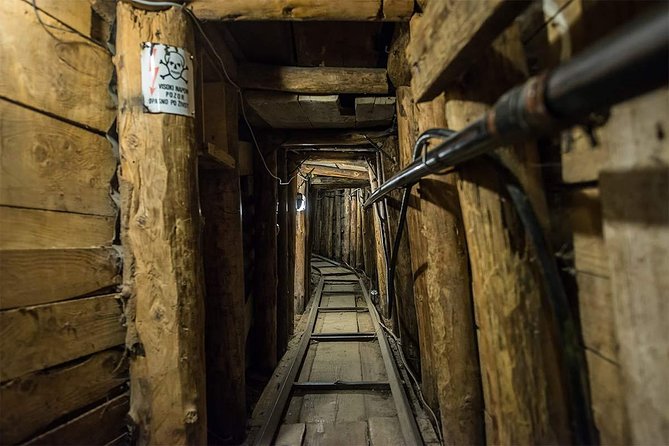
- The Sarajevo War Tunnel makes the siege personal: You see the museum, watch a short film, and walk through part of the narrow wartime passage.
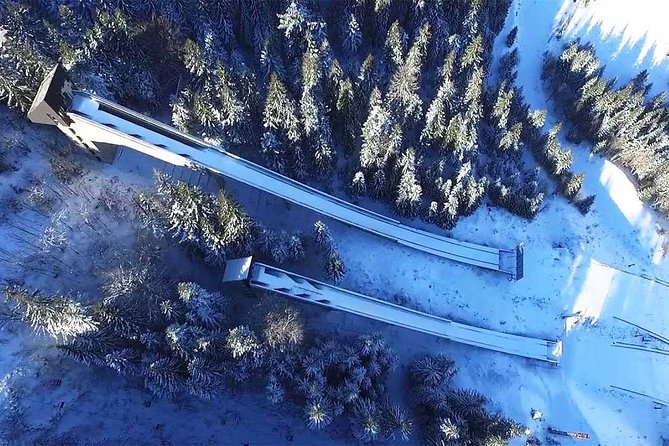
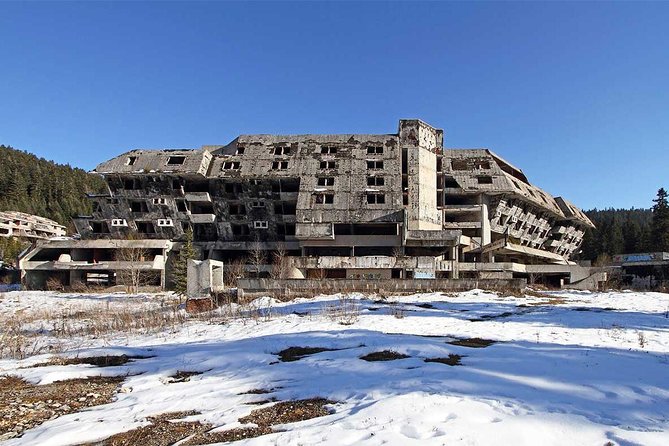
- Olympic ruins add a surprising second story: Igman Hotel, the bobsleigh track, and ski-jump sites show how the 1984 Winter Games later became part of a war zone.
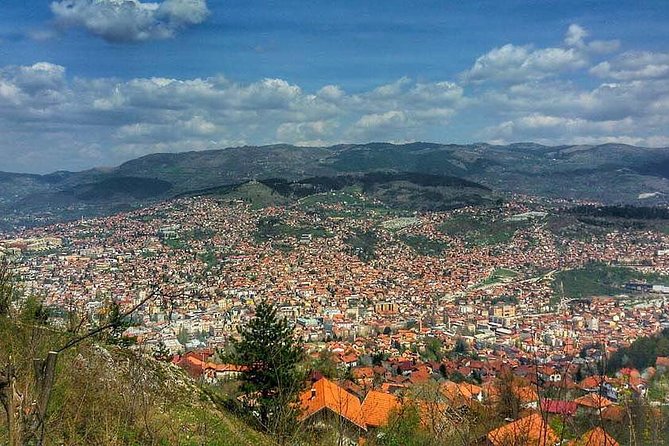
- Trebević offers the day’s strongest views: From former front-line positions, you can look across Sarajevo and understand the city’s exposed position.
- Transport and entrance fees are covered: Hotel pickup in Sarajevo, an air-conditioned vehicle, the bunker, and the War Tunnel are included.
- The group stays intimate: No more than eight people makes this a better choice for questions and serious discussion than a large coach tour.
Why this Sarajevo history day works so well
This experience links several stories that are often visited separately. You begin with Yugoslavia under Josip Broz Tito, a country caught between political blocs and preparing for a nuclear conflict. By afternoon, you are looking at Sarajevo from former military positions and considering the 1992 to 1995 siege.
That change of scale is what gives the day its force. The bunker is hidden, controlled, and built for a small ruling circle. Sarajevo’s War Tunnel was improvised, cramped, and built because ordinary people needed food, medicine, electricity, and a way out.
I appreciate that the tour does not treat these as isolated museums. The guide connects Tito’s security state, Yugoslavia’s collapse, the 1984 Olympics, and the siege that followed. That context matters. Without it, an abandoned hotel or concrete tunnel can seem like just another unusual photo stop.
The English-speaking guide also drives the vehicle, and past guide names include Hamza, Emir, Ahmed, Salem, Mustafa, Amir, and Agnar. The exact guide depends on the day, but you can expect the tour to rely heavily on storytelling, not just transport between attractions.
More Sarajevo war and siege history tours:
- Fall of Yugoslavia, Sarajevo War Tour with Tunnel of Hope Museum and Frontlines
★ 5.0 · 1,314 reviews - Tunnel Museum: Bosnian & Yugoslav Wars Tour with War Veteran
★ 5.0 · 551 reviews - Sarajevo War Tour: A Veteran’s Story of the Siege (fees included)
★ 5.0 · 326 reviews
Konjic Bridge and the road to ARK D-0
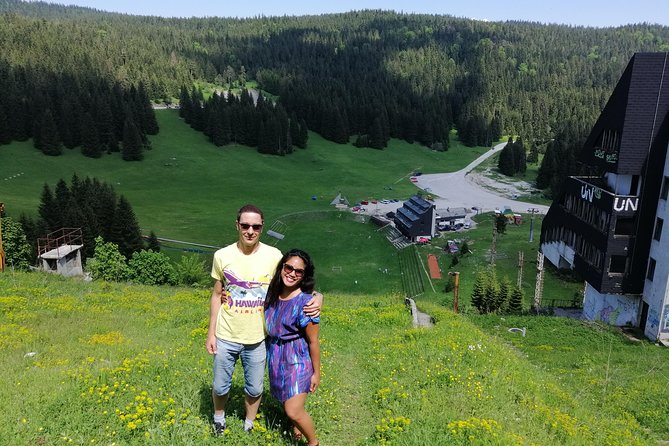
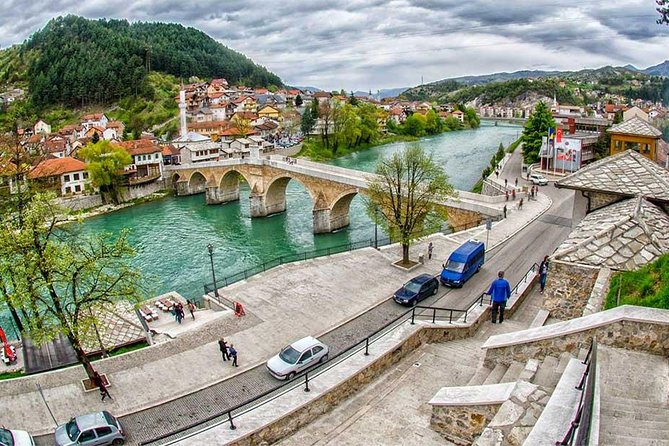
The morning begins at 8:00 a.m., with pickup from a Sarajevo hotel or a meeting at the Funky Tours office in the old town. The first major outing is to Konjic, a town known for its old Ottoman bridge and the turquoise Neretva River.
You get about 30 minutes in the old part of town. That is enough for photographs and a quick look at the six-arch bridge, but not enough for a long independent visit. Think of Konjic as a pleasant introduction to the bunker rather than the main event.
The town is also a useful reminder that Tito’s most secret military project was placed away from the capital, in a mountain setting. From the sunny river town, you head toward one of the most expensive projects of the former Yugoslav army.
Inside Tito’s 6,500-square-meter nuclear bunker
ARK D-0, also called Facility D-0 or the Atomic War Command, took 26 years to build. The structure covers about 6,500 square meters and was designed to protect and house 350 senior Yugoslav leaders and army generals during a nuclear war.
You do not simply walk into a single bunker room and leave. The visit takes you through a maze of corridors, offices, communications areas, and functional spaces built around the idea that the country’s command structure could continue underground. The setting feels stark and controlled, which suits the subject.
The bunker cost roughly 4.6 billion US dollars and was the third most expensive Yugoslav National Army military project. That figure helps explain the scale of the place. It was not a small emergency shelter. It was a complete command facility designed to keep a government operating after a catastrophe above ground.
A guide at the bunker leads the interior visit, while your tour guide provides the wider political context. You’ll hear about Cold War fear, military secrecy, communist paranoia, and the possible reasons Yugoslavia later broke apart.
The bunker has also been used as a venue for a biennial of contemporary art. That contrast is part of its appeal. A building created to preserve a military command system now serves as a setting for art and public memory.
This is the day’s most unusual stop, and admission is included. You should allow about an hour and a half for the visit. The interior is not designed for comfort or quick sightseeing, so wear practical shoes and be ready for a cool, concrete setting.
Igman and the broken promise of the 1984 Olympics
After Konjic, the tour returns toward Sarajevo and shifts to the city’s Olympic past. Igman Mountain hosted parts of the 1984 Winter Olympics, an event remembered for optimism, unity, and international attention.
At the Olympic ski jumps, you can take photographs from the podium or climb the jumps and picture the excitement of the Games. The stop lasts about an hour and is free of an admission charge.
The Igman Olympic Hotel gives this part of the day a harsher edge. Built as a mountain retreat for the Games, the 162-room hotel was badly damaged during the Balkan War and the Siege of Sarajevo. Its remains show how quickly a symbol of confidence and cooperation can become a war ruin.
I like this stop because it prevents the tour from reducing Sarajevo to a story of violence alone. The Olympics show what the city had recently achieved. The damaged facilities show what the war destroyed.
Conditions at outdoor Olympic sites can affect how much time you want to spend walking, taking pictures, or climbing. The schedule is designed to keep moving, so this is not an extended mountain hike. It is a historical stop with room for views and photographs.
A few more Sarajevo day trips to weigh up
- Sarajevo: Mostar, Konjic, Blagaj Tekke, Pocitelj & Waterfall
★ 4.9 · 1,335 reviews - Sarajevo: Mostar, Konjic, Sufi House, Pocitelj & Kravice Falls
★ 5.0 · 1,179 reviews - ROSES OF SARAJEVO (Official WAR + CITY tour)- Story of a Survivor
★ 5.0 · 770 reviews - Sarajevo: Mostar, Konjic, Počitelj, Sufi House, & Waterfalls
★ 4.9 · 572 reviews
The Sarajevo War Tunnel and the city under siege
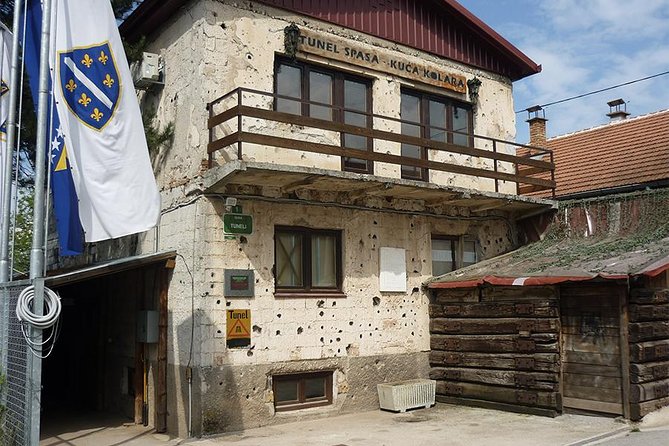
The Sarajevo War Tunnel, often called the Tunnel of Hope, is the most direct way to understand how the besieged city stayed connected. You visit the museum exhibition, see objects tied to the siege, watch a short film, and walk through part of the tunnel.
The tunnel was built because Sarajevo was cut off and needed a lifeline. The exhibition explains the urgent need for the passage, while the walk through the remaining section gives you a physical sense of its narrow and difficult conditions.
This is not a polished monument. Its power comes from its practical purpose. It was an underpass made under extreme pressure, used to move people and essential supplies when normal routes were blocked.
The visit lasts about 90 minutes, and the entrance fee is included. I would pay close attention to the film and the guide’s explanation before entering the tunnel. The passage itself is brief, but the surrounding story gives it meaning.
The tour’s strongest guides bring personal experience into this section. Ahmed, for example, is praised for explaining the history with feeling and for having lived through it. That kind of first-hand connection can make the siege more immediate, though the tone remains serious and the subject requires respect.
Dobrinja, Trebević, and Sarajevo from the front line
After the tunnel, the vehicle passes through Dobrinja, an Olympic Village that also became a besieged neighborhood. This is one of the more important transitions of the day. You are no longer looking only at a museum display. You are moving through a part of Sarajevo where Olympic life and wartime survival occupied the same streets.
Trebević Mountain then gives you a different view of the siege. Much of the mountain’s length served as a front line, and the tour points out areas connected with fighting, including Zlatište and Osmice.
From Trebević, Sarajevo’s position becomes easier to grasp. The city lies below, surrounded by high ground. The same mountains that once supported winter sports also gave military forces a commanding position during the siege.
You may see remains of bunkers, trenches, minefields, tank tracks, bullet damage, and grenade fragments. Some facilities have not been restored, so the mountain still carries visible marks of the conflict.
That unfinished quality can be uncomfortable, but it is also important. A repaired memorial can explain a past event. A damaged structure beside a road or trail shows that the past is still physically present.
The Trebević viewpoint offers some of the best wide views of Sarajevo during the tour. I would save time for photographs here, but I would not treat the area as a casual ruin playground. The description includes minefields and wartime remains, so follow the guide and stay on the indicated route.
Walking Sarajevo’s abandoned bobsleigh track
The Sarajevo Olympic Bobsleigh and Luge Track is one of the day’s most memorable visual stops. You walk down part of the famous 1984 track, now known for its weathered concrete and street art.
The track combines two very different memories. It was built for a major international sporting event, then occupied a position connected with the siege. Today, graffiti fills sections of the abandoned structure, giving the walk a rough, changing character.
You get about 45 minutes here. That is enough to walk, photograph the murals, and hear how the site fits into Sarajevo’s Olympic and wartime story. It is not a formal museum, so the guide’s explanation is especially useful.
The track may be the most appealing stop for anyone interested in abandoned architecture or street art. For some visitors, though, it can feel less emotionally direct than the tunnel or cemetery. Its value comes from the layers of use and the setting high above the city.
The Jewish Cemetery and the final view of the siege
The final stop is Sarajevo’s Jewish Cemetery, one of the largest Jewish cemeteries in Europe. During the siege, it became part of the front line and a sniper position overlooking Sarajevo’s Sniper Alley.
The stop lasts about 20 minutes, so expect a focused visit rather than a long cemetery walk. Its importance is both historical and geographical. From here, the guide can explain how the surrounding high ground was used and why movement through the city was so dangerous.
This is a quiet way to end a heavy day. The cemetery is not only connected with the siege. It also points to Sarajevo’s long Jewish presence and the city’s layered past.
The view from the cemetery helps tie together what you saw on Trebević, at the tunnel, and in Dobrinja. You begin to understand the siege as a fight over access, height, roads, and visibility, not just as a sequence of dates.
What the $101.85 price includes
At $101.85 per person, the cost is reasonable if you want all the major sites covered in one day. The price includes hotel pickup in Sarajevo, an English-speaking guide and driver, an air-conditioned vehicle, taxes, and admission to both ARK D-0 and the Sarajevo War Tunnel.
The bunker entrance alone is listed as 10 euros for adults, while the War Tunnel charges 5 euros for adults and 2.50 euros for children and students. Having those fees handled saves time and makes the total easier to judge.
The small group is the biggest value point. With no more than eight people, you should have a better chance to ask questions than on a large bus. It also suits a subject where the guide’s explanation matters as much as the sites themselves.
Lunch is not included. Plan for that gap, since the day lasts roughly 10 hours and includes a drive out to Konjic. The supplied schedule does not specify a restaurant or a fixed lunch break, so ask the guide at the start how the day will handle food.
Who should book this full-day tour
I would choose this tour if you want Sarajevo’s recent past explained through real places rather than only through a city museum. It is especially suitable if you have one full day available and want to combine the bunker, tunnel, Olympic sites, mountains, and siege viewpoints without arranging separate transport.
It is also a good fit for solo visitors. A small group makes it easier to stay engaged, and the guide can adjust the conversation more readily than on a large coach.
History-focused visitors will get the most from it, but you do not need prior knowledge of Yugoslavia. The guide fills in the background as the day moves from Tito’s Cold War state to the breakup of Yugoslavia and the war in Bosnia.
You may want a different plan if you dislike long days, mountain roads, abandoned buildings, or emotionally difficult subjects. The tour includes outdoor walking, old ruins, military sites, and a serious account of the siege. It is not a light sightseeing loop.
Wear comfortable shoes and bring clothing suited to changing conditions between Sarajevo, Konjic, and the mountains. The itinerary includes walking at the bobsleigh track, Olympic sites, the bunker, and Trebević.
Should you book it?
Yes, if you want the most history-packed day trip from Sarajevo and value a guide who can connect the sites. The bunker is the unusual centerpiece, while the War Tunnel gives the day its emotional weight. Trebević, the bobsleigh track, Igman, and the Jewish Cemetery keep the story grounded in the city’s actual places.
I would book it for the small group, included entrance fees, and hotel pickup. I would skip it only if 10 hours feels too long or if you prefer to explore each museum slowly on your own.
Free cancellation is available up to 24 hours before the start time. The tour begins at 8:00 a.m. and ends back at the Sarajevo meeting point.
FAQ
How long does the tour last?
The experience lasts about 10 hours and begins at 8:00 a.m. It ends back at the meeting point in Sarajevo.
Is hotel pickup included?
Yes. Pickup can be arranged from any hotel in Sarajevo. You can also meet the group at the Funky Tours office in the old town.
What admissions are included?
Admission to ARK D-0 Tito’s Nuclear Bunker and the Sarajevo War Tunnel is included. The tour also includes all listed fees and taxes.
How many people can join the tour?
The tour has a maximum of eight participants, creating a small-group experience.
Is lunch included?
No. Lunch is not included in the price.
Is the tour offered in English?
Yes. The tour includes a professional English-speaking guide and driver.
Just added around Sarajevo
- Strbacki Buk and Una Waterfalls: Day Trip from Sarajevo★ 5.0 · 3 reviews
- Bosnian Kingdom Capitals: Travnik & Jajce Tour from Sarajevo★ 5.0 · 3 reviews
- Walking Tour in Sarajevo★ 5.0 · 3 reviews
- MTB Bjelasnica – Lukomir★ 5.0 · 3 reviews
- Sarajevo Under Siege: A City’s Struggle & Survival Tour★ 5.0 · 3 reviews
- Herzegovina Tour from Sarajevo: Mostar, Počitelj, Blagaj, Kravice★ 5.0 · 3 reviews
- Travnik, Jajce, Pliva Lakes & Mills –Medieval & Ottoman Bosnia Full Day Tour★ 5.0 · 3 reviews
- Tour of Herzegovina – From Sarajevo★ 5.0 · 3 reviews
Sarajevo Tours, compared.
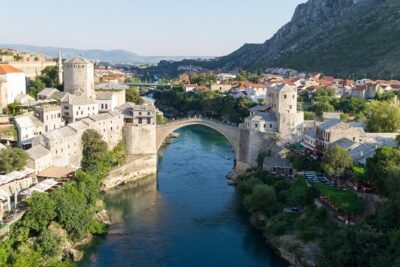
Sarajevo: Mostar, Konjic, Blagaj Tekke, Pocitelj & Waterfall
Read our review →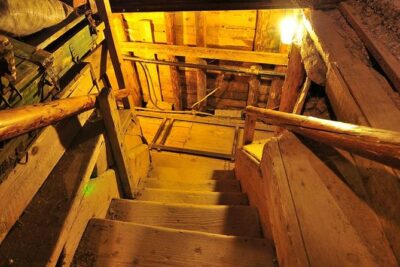
Fall of Yugoslavia, Sarajevo War Tour with Tunnel of Hope Museum and Frontlines
Read our review →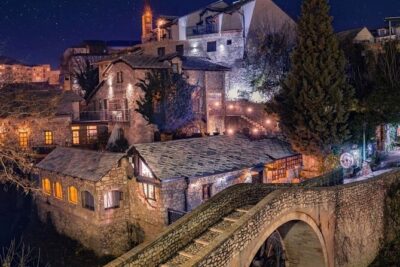
Sarajevo: Mostar, Konjic, Sufi House, Pocitelj & Kravice Falls
Read our review →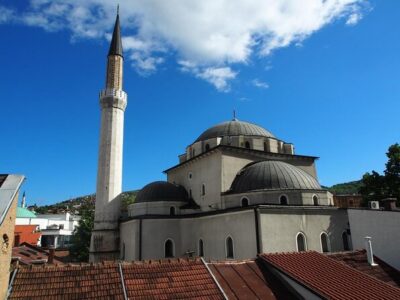
Sarajevo: 2 Hours Old Town Walking Tour With Local Guide
Read our review →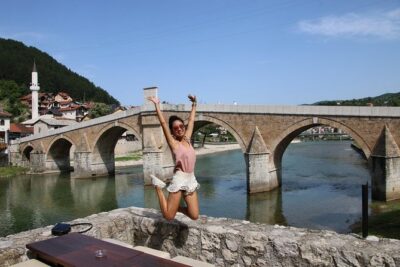
Sarajevo: Mostar, Konjic, Dervish House, Pocitelj & Kravica Falls
Read our review →
From Sarajevo: Srebrenica Genocide Memorial Study Tour
Read our review →
Mostar,Kravica Waterfall,Blagaj,Počitelj – Day Tour from Sarajevo
Read our review →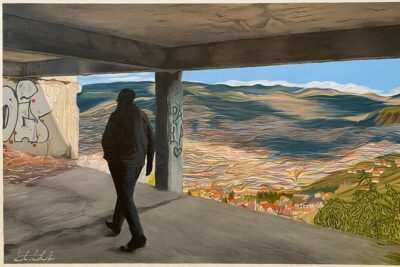
Sarajevo War Tour: A Veteran’s Story of the Siege (fees included)
Read our review →Browse the lists this tour appears in