
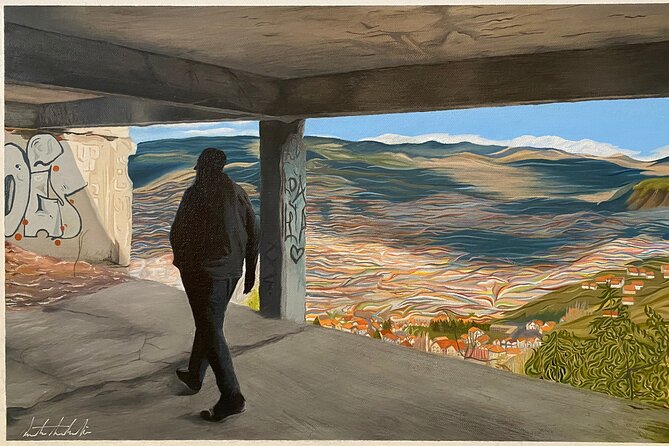
Reviewed · SARAJEVO TOURS
Sarajevo War Tour: A Veteran’s Story of the Siege (fees included)
The most powerful part of this Sarajevo tour is the guide. You are not simply driven past wartime sites while someone recites dates. Your guide survived the siege, and guides such as Enes, Mustafa, Adnan, Omer, Edo, and Ibrahim have shared personal memories, military experience, and the hard questions that textbooks often avoid. The Tunnel of Hope then gives those stories a physical setting.
I like the small maximum group of eight, which leaves room for real questions and conversation. I also like the range of places covered, from Sniper Alley and the Markale market area to the mountain positions and the abandoned Olympic bobsleigh track. The main consideration is emotional weight: this is a serious four-hour experience, not a light sightseeing outing. Some stops also involve uneven walking, especially around the bobsleigh track.
Key points to know before booking
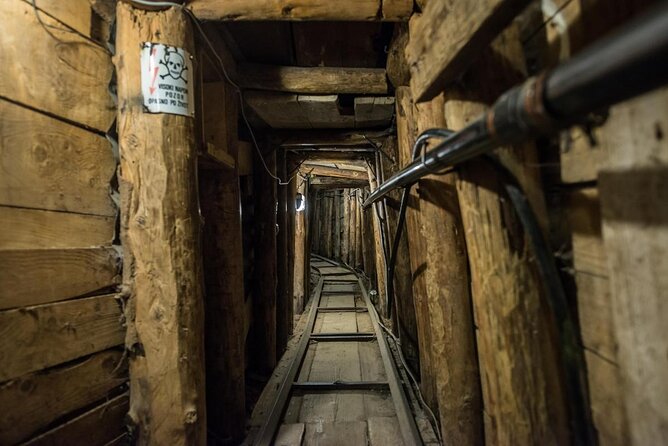
- A Sarajevo war veteran leads the tour: Expect personal memories alongside an explanation of the breakup of Yugoslavia and the siege.
- The Tunnel of Hope admission is included: You see a short film, walk through part of the tunnel, and visit the museum exhibits.
- Trebević adds the wider view: Former front lines, bunkers, trenches, minefield traces, and shell damage appear above the city.
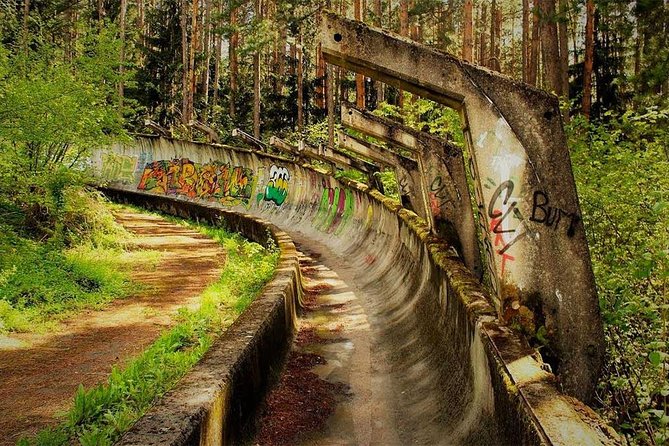
- The Olympic bobsleigh track is both historic and atmospheric: The 1984 venue later became a front-line site and now carries layers of international graffiti.
- Transport keeps the day practical: Pickup and drop-off in Sarajevo come in an air-conditioned vehicle, with food and drinks left to you.
- Plan for a thoughtful pace: The tour covers painful recent history, so allow yourself time afterward to process it.
Why a survivor’s account changes the visit
Sarajevo’s siege lasted from 1992 to 1995 and shaped nearly every part of the city. You can learn the basic outline in a museum, but the story becomes more understandable when a person who lived through it explains what ordinary movement, food supply, danger, and family life meant at the time.
The guide begins with the breakup of Yugoslavia and the political forces that led to war. That background matters because the siege can otherwise seem like a series of disconnected tragedies. You will have a chance to ask questions, including personal ones, and the guides have a reputation for answering openly while keeping the discussion grounded in Sarajevo itself.
The tone varies with the guide. Enes is described as energetic, humorous, and full of stories. Mustafa has helped visitors compare local experience with the Western European view of the conflict. Adnan has served as a wartime officer and later worked toward peace and reconciliation. Omer has even taken groups to his childhood home while explaining his own experience.
Those differences are part of the appeal. This is not a recorded audio tour with one fixed script. Your guide’s memories will shape the morning, and some guides talk at length. If you prefer a quiet, tightly timed tour with no personal opinions, this may feel less polished. If you want to ask why events unfolded as they did, the format works well.
More Sarajevo war and siege history tours:
- Fall of Yugoslavia, Sarajevo War Tour with Tunnel of Hope Museum and Frontlines
★ 5.0 · 1,314 reviews - Tunnel Museum: Bosnian & Yugoslav Wars Tour with War Veteran
★ 5.0 · 551 reviews - Sarajevo 1425 days under the siege – War Tour
★ 5.0 · 170 reviews
From Funky Tours to Sarajevo’s wartime geography
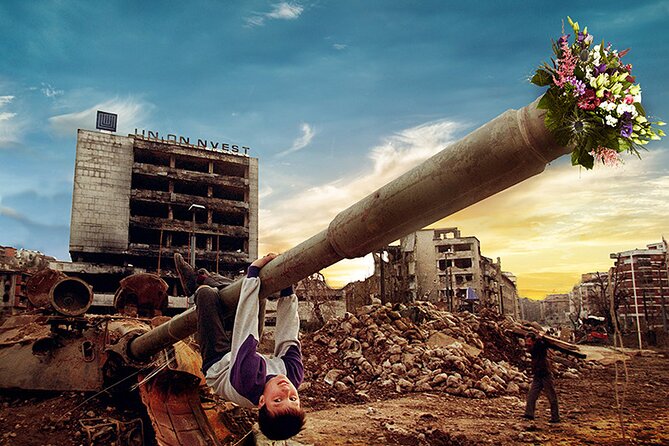
You can meet at the Funky Tours office on Besarina čikma, or arrange pickup at your preferred location in Sarajevo. The included vehicle saves time and makes the route practical, since the sites lie across the city and up into the surrounding mountains.
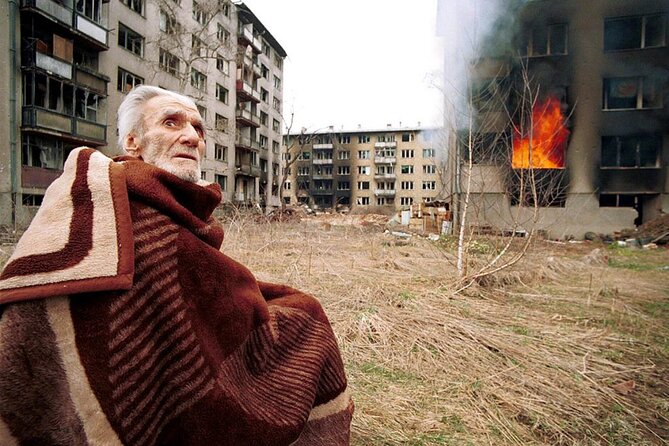
As you drive, you pass the Markale markets, associated with one of the largest massacres in Sarajevo during the war. You also pass a memorial to the 1,601 children killed during the siege. These are drive-by points rather than long formal visits, so do not expect time to browse a market or spend a full museum-style period at the memorial.
That brief approach is still useful. It places the human cost near the start of the tour, before the route moves toward the more visible military sites. I find this order helpful because it keeps the siege connected to civilians, not only to bunkers, rifles, and ruined buildings.
Sniper Alley and the Holiday Inn
The first substantial stop is the Hotel Holiday, in the area known during the war as Sniper Alley. The hotel was built for Sarajevo’s 1984 Winter Olympics and later became a base for foreign journalists covering the Bosnian war.
The name Sniper Alley refers to the dangerous route through areas including Marijin Dvor. At the hotel, your guide explains why crossing or driving along this part of Sarajevo carried such risk. The building also provides a useful link between two very different versions of the city: an Olympic host preparing for the world, and a besieged capital watched by international reporters.
The scheduled stop is about 15 minutes. That is enough for an explanation and orientation, but not a long visit inside the hotel. Much of the value comes from the guide pointing out the setting and explaining how the city functioned under fire.
The Tunnel of Hope, Sarajevo’s narrow lifeline
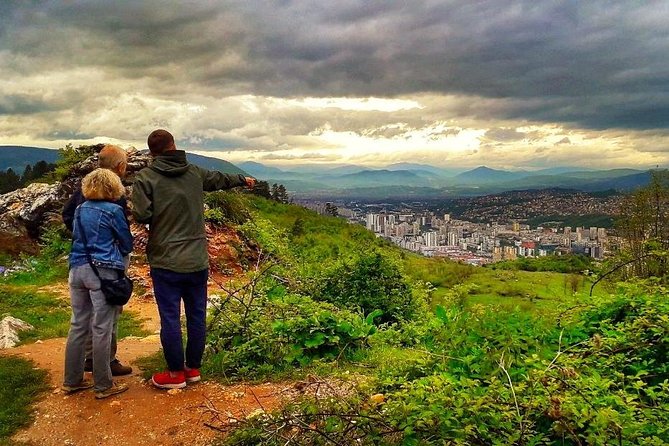
The War Tunnel Museum is the central stop, with about 90 minutes allowed. Admission, listed at 10.5 euros for adults and 2.5 euros for children and students, is included in the tour price.
You begin with a short film about the war and the tunnel. Then you walk through the preserved section itself and see exhibits linked to the siege. The passage is a modest remnant of the original route, but its small scale is exactly what makes the visit so striking. You get a physical sense of the cramped conditions and the effort required to keep Sarajevo connected with the outside world.
Your guide adds the part a display cannot provide. Someone who used the tunnel during the siege can explain its importance through lived experience, not just military terminology. The conversation also returns to the origins of the war, the collapse of Yugoslavia, nationalist politics, and the decisions that drew people into conflict.
I would give this stop your full attention. It is easy to rush through a tunnel, take a photo, and move on. The personal account is the reason to stay engaged. Ask questions, but remember that the subject involves death, displacement, and trauma. The guides are used to discussing it, yet the setting deserves a respectful tone.
A few more Sarajevo day trips to weigh up
- Sarajevo: Mostar, Konjic, Blagaj Tekke, Pocitelj & Waterfall
★ 4.9 · 1,335 reviews - Sarajevo: Mostar, Konjic, Sufi House, Pocitelj & Kravice Falls
★ 5.0 · 1,179 reviews - ROSES OF SARAJEVO (Official WAR + CITY tour)- Story of a Survivor
★ 5.0 · 770 reviews - Sarajevo: Mostar, Konjic, Počitelj, Sufi House, & Waterfalls
★ 4.9 · 572 reviews
Trebević Mountain and the former front line
After the museum, the vehicle climbs Trebević Mountain. Much of the mountain’s length formed part of the front line during the siege, and the route shows a side of the conflict that is less visible in central Sarajevo.
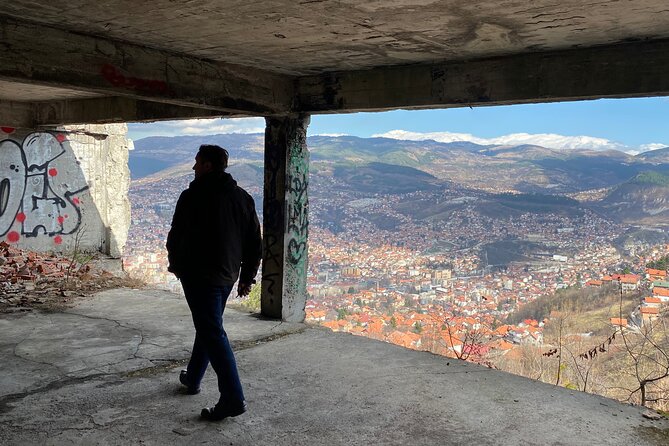
At places such as Zlatište, Osmice, and Trebević Vidikovac, you might see damaged facilities, bunker remains, trenches, minefield traces, tank tracks, bullet marks, and grenade fragments. Some wartime structures have not been repaired or restored, so the mountain can feel like an open-air record of the fighting.
That rawness is important, but it also means you should not expect a manicured historic site. Conditions can be rough, and your guide may point out features rather than lead you through a formal exhibit. The scheduled mountain visit lasts about 30 minutes, followed by around 20 minutes at the viewpoint.
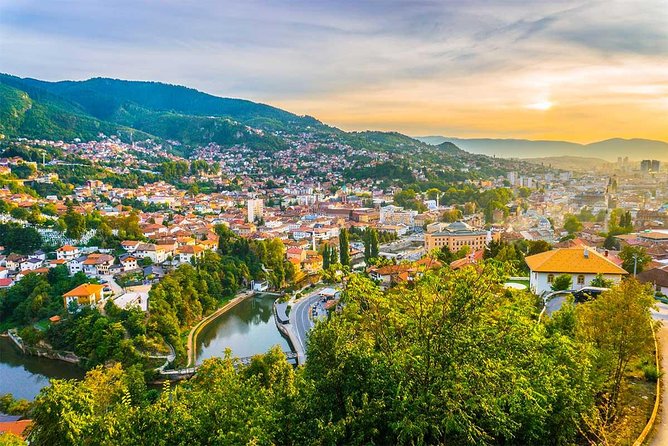
Trebević Vidikovac offers one of the best views over Sarajevo. During the siege, it was a position held by the Army of Republika Srpska. From above, the city’s shape helps explain the military imbalance and why the surrounding heights mattered so much.
The view is beautiful, but the guide’s explanation changes how you see it. You are looking at a city from positions once used to watch and threaten it. That contrast is one of the tour’s strongest moments.
The Olympic bobsleigh track after the war
The Sarajevo Olympic bobsleigh and luge track is the most visually unusual stop. Built for the 1984 Winter Olympics, it later sat near a major front line during the siege. Today, the concrete track is abandoned and covered with graffiti from artists around the world.
The stop lasts about 20 minutes, though the actual walking time can be longer depending on where the vehicle parks. One person with limited mobility found the walk from the car park difficult. In that case, the guide arranged for the person to wait at a nearby hotel for coffee while another member of the group explored the track.
That detail is worth taking seriously. The tour involves little walking overall, but little does not mean no walking, and the bobsleigh track can involve uneven ground. Tell the operator about mobility limits before departure so the guide can explain the options.
For people who can walk comfortably, the track adds a strange and memorable layer to the day. You see brutalist Olympic design, wartime damage, and modern graffiti in the same place. It is not the best stop for a long technical history of the Olympics, but it is a strong visual reminder of how quickly Sarajevo’s international image changed.
The Jewish Cemetery and the return to the city
The final stop is Sarajevo’s Jewish Cemetery, one of Europe’s largest Jewish cemeteries. During the siege, it became a front-line position and sniper site used by the Army of Republika Srpska.
The cemetery brings several strands of Sarajevo’s past together: its Jewish heritage, its location on the city’s slopes, and the way old civic spaces were pulled into the fighting. The scheduled visit lasts about 15 minutes, so expect a focused explanation rather than a long cemetery tour.
Afterward, the vehicle returns to Sarajevo. Drop-off is offered at your desired location, which is useful if you want to continue exploring near your hotel or another part of the city.
What the $48.39 price includes
At $48.39 per person, the tour is a good value if you want several distant sites in one morning or afternoon. The cost includes the English-speaking veteran guide, air-conditioned transportation, pickup and drop-off, all fees and taxes, and the War Tunnel entrance.
The included museum admission matters because the tunnel is the one paid attraction on the route. You do not have to sort out a separate ticket or pay unexpected entry fees during the day.
Food and drinks are not included. This is not a problem for a four-hour outing, but you may want water with you, especially in warm weather. The tour does not present itself as a meal experience, and the focus stays on the sites and discussion.
A private tour is not promised, so you may share the vehicle with other people. The maximum group size is eight, which is small enough for questions without requiring the cost of a fully private booking. If your group reaches the maximum, the guide still has a manageable number of people to address.
Timing, comfort, and the emotional pace
The total duration is about four hours, including driving between locations. The listed stop times add up to less than that, so the remaining time is used for transport, explanations, and transitions.
Pickup is offered, and the vehicle makes a major difference on the mountain section. Without transport, fitting the Tunnel of Hope, Trebević, the bobsleigh track, and the cemetery into one half-day would be awkward.
The walking requirement is generally low, but you should wear sensible shoes. The tunnel involves walking, and the bobsleigh track may require a longer walk from the parking area. Weather can also affect the mountain stops. One tour continued through poor weather, with the guide still taking the group along the bobsleigh track and showing the views, but clouds and rain may reduce what you can see.
This is a serious tour. You will hear about massacres, children killed, military positions, and daily life during a blockade. The guides also bring humor and warmth, and one group ended the morning sharing a beer with its guide. Still, the experience is best approached with patience rather than a checklist mentality.
Who will get the most from this Sarajevo tour
I would choose this tour if you are in Sarajevo for only a short time and want a broad introduction to the siege. It gives you the city center, the tunnel, the high ground, an Olympic site, and a cemetery in one outing.
It also suits you if the reasons behind the war are as important as the places themselves. The guide can explain the breakup of Yugoslavia, local perspectives, and the human effect of military decisions. That context can help you make better sense of other museums and memorials you visit later.
The tour is less suitable if you want a relaxed sightseeing trip with only a little history. It is also not ideal for anyone who finds personal war testimony too upsetting, or who cannot manage uneven walking around the bobsleigh track without advance discussion.
Booking around four weeks ahead may be wise, since the experience is often reserved about 27 days before the date. The maximum of eight people helps explain why availability can be limited.
Should you book it?
Yes, I would book this tour if you want to understand Sarajevo through both its places and its people. The Tunnel of Hope is meaningful on its own, but the veteran guide is what connects the tunnel to the wider story of the city.
The strongest guides, including Enes, Mustafa, Adnan, Omer, Edo, and Ibrahim, have been praised for combining first-hand memories with clear explanations and open conversation. You cannot select a particular guide from the information provided, so treat those names as examples of the kind of experience you may receive, not a guarantee.
Book it early, wear shoes suited to rough ground, and leave room in your schedule afterward. At $48.39, with transport and admission included, this is a practical and unusually personal way to meet Sarajevo’s recent past.
FAQ
How long does the Sarajevo War Tour last?
The tour lasts approximately four hours, including transportation between the stops.
Is pickup included?
Yes. Pickup and drop-off are offered at your preferred location in Sarajevo, or you can meet at the Funky Tours office on Besarina čikma 5.
Is the guide a Sarajevo war veteran?
Yes. The tour is led by an English-speaking guide who survived the Siege of Sarajevo. Some guides have also served as wartime soldiers or officers.
Is admission to the War Tunnel Museum included?
Yes. The War Tunnel entrance fee is included in the tour price. The stated admission is 10.5 euros for adults and 2.5 euros for children and students.
How much walking is involved?
Only a low amount of walking is expected overall. You will walk through part of the War Tunnel, and the route around the Olympic bobsleigh track may be longer and uneven.
What is the maximum group size?
The tour accepts a maximum of eight people.
Can I cancel for a full refund?
Yes. You can cancel at least 24 hours before the experience start time for a full refund. Cancellations or changes made less than 24 hours in advance are not accepted for a refund.
Just added around Sarajevo
- Strbacki Buk and Una Waterfalls: Day Trip from Sarajevo★ 5.0 · 3 reviews
- Bosnian Kingdom Capitals: Travnik & Jajce Tour from Sarajevo★ 5.0 · 3 reviews
- Walking Tour in Sarajevo★ 5.0 · 3 reviews
- MTB Bjelasnica – Lukomir★ 5.0 · 3 reviews
- Sarajevo Under Siege: A City’s Struggle & Survival Tour★ 5.0 · 3 reviews
- Herzegovina Tour from Sarajevo: Mostar, Počitelj, Blagaj, Kravice★ 5.0 · 3 reviews
- Travnik, Jajce, Pliva Lakes & Mills –Medieval & Ottoman Bosnia Full Day Tour★ 5.0 · 3 reviews
- Tour of Herzegovina – From Sarajevo★ 5.0 · 3 reviews
Sarajevo Tours, compared.
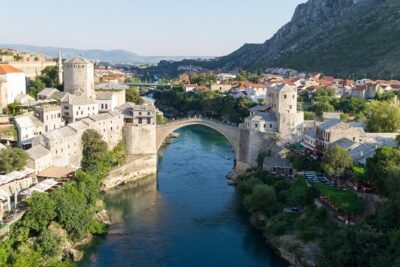
Sarajevo: Mostar, Konjic, Blagaj Tekke, Pocitelj & Waterfall
Read our review →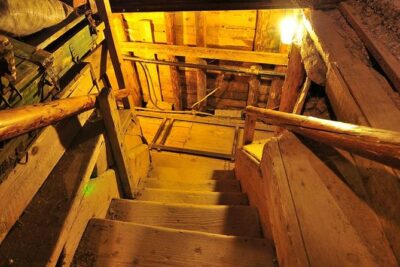
Fall of Yugoslavia, Sarajevo War Tour with Tunnel of Hope Museum and Frontlines
Read our review →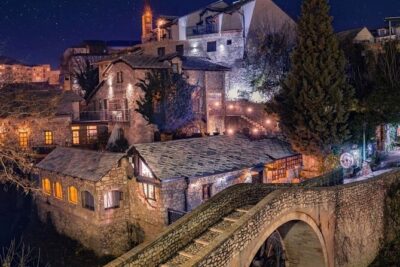
Sarajevo: Mostar, Konjic, Sufi House, Pocitelj & Kravice Falls
Read our review →
Sarajevo: 2 Hours Old Town Walking Tour With Local Guide
Read our review →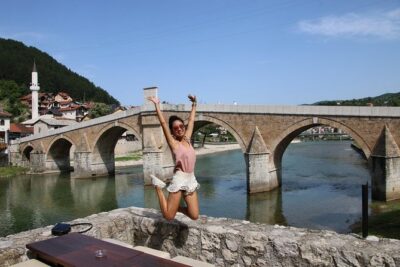
Sarajevo: Mostar, Konjic, Dervish House, Pocitelj & Kravica Falls
Read our review →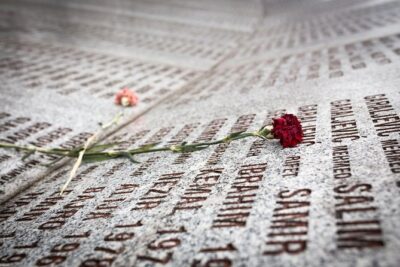
From Sarajevo: Srebrenica Genocide Memorial Study Tour
Read our review →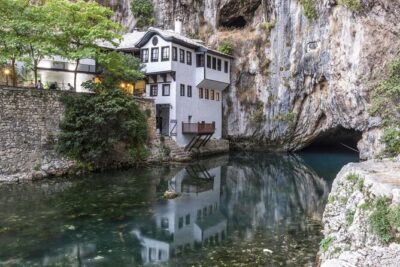
Mostar,Kravica Waterfall,Blagaj,Počitelj – Day Tour from Sarajevo
Read our review →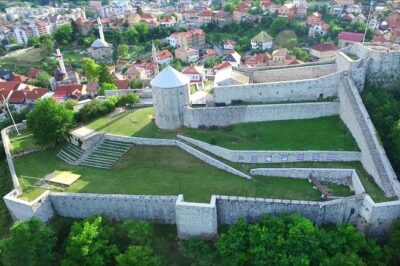
Jajce, Travnik and Pliva watermills – Day Tour from Sarajevo
Read our review →Browse the lists this tour appears in