
Reviewed · SARAJEVO TOURS
Sarajevo: A City Under Siege – War Tour With Tunnel Museum
Sarajevo’s war is easiest to grasp when you see the places that shaped daily life: the Tunnel of Hope, the road known as Sniper Alley, and the abandoned Olympic track that became part of the frontline. This tour links those sites by vehicle, giving you a clear view of how siege, survival, and ordinary city life collided.
I like the strong mix of indoor and outdoor stops, and I like that the guide adds the human detail that a map cannot provide. Guides Edis and Elvis have been praised for clear explanations, warmth, and insight into life in Sarajevo today. The main drawback is the extra €10.50 entrance fee for the tunnel, and the subject matter is painful rather than light sightseeing.
Key points to know before booking
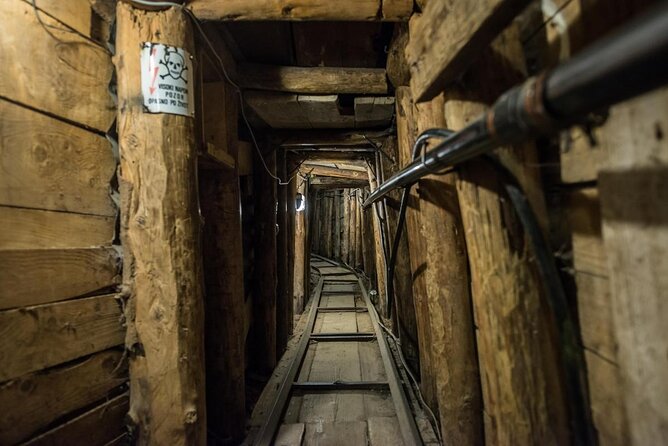
- The Tunnel of Hope anchors the tour: Allow for a separate €10.50 admission fee to enter the museum.
- You visit five very different sites: The route combines wartime locations, an old Jewish cemetery, Olympic ruins, and a city viewpoint.
- The tour lasts about 3 to 4 hours: That makes it a useful half-day activity without taking over your entire Sarajevo visit.
- An air-conditioned vehicle handles the route: This matters because the stops spread from the city center toward Trebević and the airport area.
- The group is capped at 15 people: You get a smaller setting than a large coach tour, though the experience is still shared.
- The subject is serious and direct: Book this for context and understanding, not for a carefree sightseeing outing.
Sarajevo’s siege told through places, not just dates
The most valuable part of this tour is its physical scale. Sarajevo’s wartime story can sound abstract when you read about it in a museum or guidebook. Here, you move between the places where people crossed dangerous roads, sheltered behind terrain, carried supplies, and tried to preserve some sense of normal life.
The tour begins at House of Spite on Veliki Alifakovac, near City Hall, at noon. From there, the air-conditioned vehicle saves you from having to piece together several distant sites on your own. You return to the same meeting point at the end, which keeps the outing simple to fit around other plans.
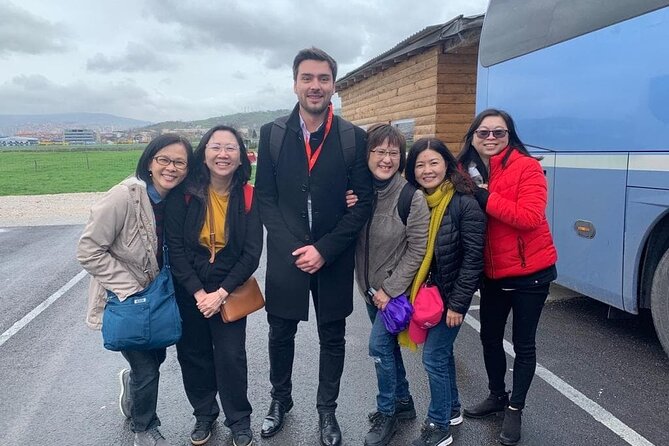
The guide is central to the experience. Edis and Elvis have both been praised for strong communication and thoughtful explanations, including discussion of what it is like to live in modern Sarajevo. That present-day connection matters. The war is not treated as a sealed chapter from another country’s past. It remains part of the city’s streets, buildings, views, and family stories.
More Sarajevo war and siege history tours:
- Fall of Yugoslavia, Sarajevo War Tour with Tunnel of Hope Museum and Frontlines
★ 5.0 · 1,314 reviews - Tunnel Museum: Bosnian & Yugoslav Wars Tour with War Veteran
★ 5.0 · 551 reviews - Sarajevo War Tour: A Veteran’s Story of the Siege (fees included)
★ 5.0 · 326 reviews
The Tunnel of Hope and one hour underground
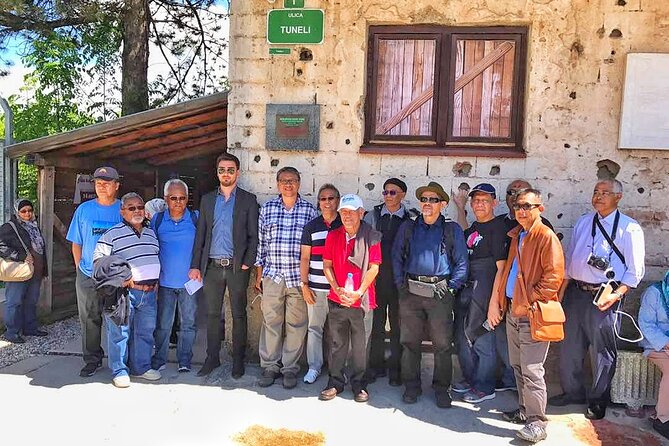
The Sarajevo War Tunnel, also called the Tunnel of Hope, is the emotional center of the tour. You spend about an hour at the site, with admission purchased separately for €10.50 per person.
The tunnel represents Sarajevo’s effort to stay alive during the siege. It was built as a route through and beneath the airport zone, helping connect the besieged city with the outside world. The surviving section and museum explain why this narrow passage became so important to food, medicine, communication, and basic survival.
Do not expect a grand museum complex. The value here is the physical evidence and the guide’s explanation. A tunnel is a small space, but that is exactly the point. It gives you a more direct sense of the limits faced by people trying to move supplies and remain connected.
The extra fee is worth considering in relation to the total cost. At $40.81 per person, the tour already covers transport, bottled water, and an English-speaking guide. The museum entrance is not included, so your actual cost will be higher if you follow the full experience. Still, the tunnel is the one stop that most directly explains how Sarajevo endured, so skipping it would weaken the tour.
Because the tunnel visit deals with war and civilian suffering, you should allow yourself time to take it in. The tour does not turn tragedy into entertainment. Its strength is that it uses a real place to explain what survival required.
Sniper Alley, where an ordinary road became dangerous
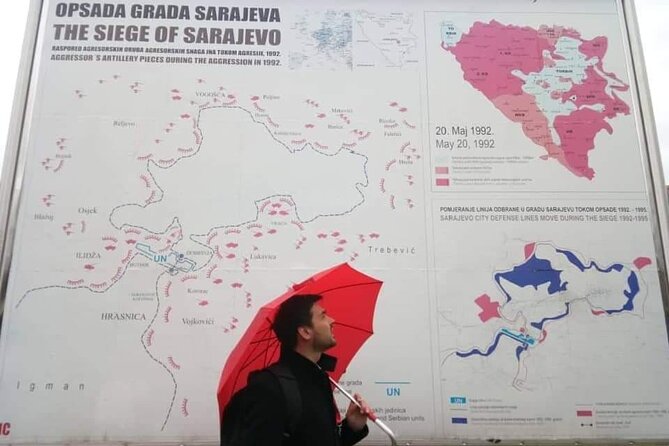
The next stop is Sniper Alley, visited for about 30 minutes. During the siege, this was one of the most dangerous areas to cross. The name is stark, and the site helps you understand how a normal urban route could become a place of fear.
The stop is free, and you do not need to budget for an additional ticket. More important, you are not left to look at a street and guess what happened there. The guide explains the location’s wartime role and connects it to the wider siege.
This is a good example of why the vehicle matters. Sarajevo’s war sites are spread across the city, and the meaning of each one becomes clearer when you hear how they fit together. Sniper Alley is not a decorative landmark. It is a modern street whose danger came from its position, visibility, and exposure.
The stop may feel less visually dramatic than the tunnel or bobsleigh track. That is part of its power. You are looking at an urban setting that can appear ordinary today, while the guide brings forward the risks that once shaped every crossing.
The Jewish Cemetery and its wartime role
The Jewish Cemetery Sarajevo receives about 30 minutes. It is one of the oldest Jewish cemeteries in southeastern Europe, but during the Bosnian War it also served as a sniper position.
That combination makes this stop especially useful. You are not seeing only a wartime site. You are also seeing a place connected to Sarajevo’s older religious and cultural communities. The cemetery gives the tour a longer time frame, showing that the city’s story did not begin with the 1990s conflict.
The wartime use of the cemetery adds a difficult layer. A site built for remembrance became part of the machinery of war. The guide’s role is important here because the physical setting alone cannot explain that change.
The visit is free, and the 30-minute stop should be enough for an introduction without making the tour feel overloaded. If you prefer sightseeing that stays firmly in the present, this may be a sobering pause. If you want to understand how the war affected places with meaning far beyond military strategy, it is one of the more revealing stops.
More museums in Sarajevo:
- Tunnel of Hope Museum Tour
★ 5.0 · 38 reviews - Cable Car Olympic Tour With Museum
★ 5.0 · 17 reviews - SARAJEVO CONCEPTUAL ART TOUR (galleries, art and arhitecture)
★ 5.0 · 7 reviews
Trebević’s Olympic bobsleigh and luge track
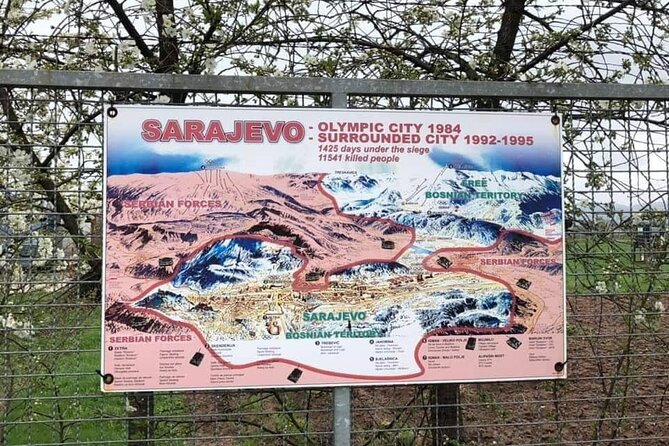
The Sarajevo Olympic bobsleigh and luge track is the tour’s most unusual stop. You spend about an hour at this abandoned venue on Mount Trebević, above the Old Town.
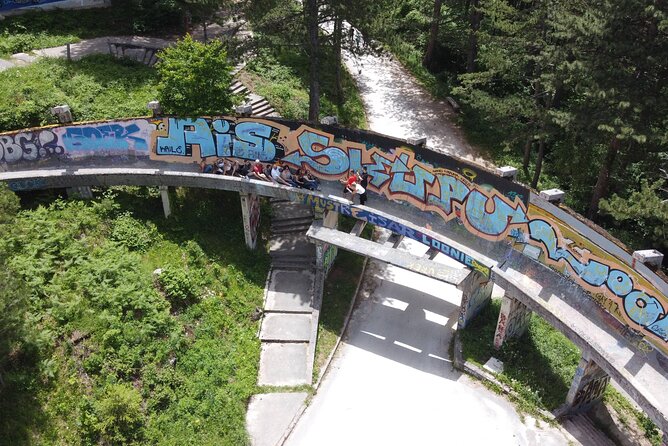
The track was built for the 1984 Winter Olympics, a period when Sarajevo presented itself to the world as a modern international city. During the war, the site was on the frontline. Today, it is known for its weathered concrete and graffiti.
This stop brings together Sarajevo’s prewar optimism, wartime destruction, and postwar curiosity in one place. The contrast is hard to miss. An Olympic venue suggests speed, celebration, and visitors from around the world. The same site later sat in a combat zone.
I like the amount of time given here. An hour allows you to take in the structure rather than make a rushed photo stop. The graffiti gives the track a rough, contemporary look, but it is not the reason the site matters. Its importance comes from the sharp change in purpose and meaning.
The track is also a reminder that the tour is not limited to conventional museums. You see a built space whose condition tells part of the story. The site may appeal to you if you enjoy abandoned architecture, modern political history, or places where several eras meet.
Yellow Fortress and Sarajevo from above
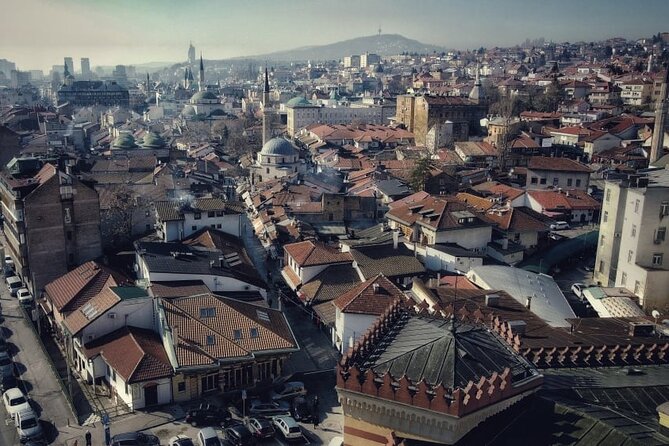
The final listed stop is Yellow Fortress, about 15 minutes above City Hall. It is described as one of the city’s best panoramic spots.
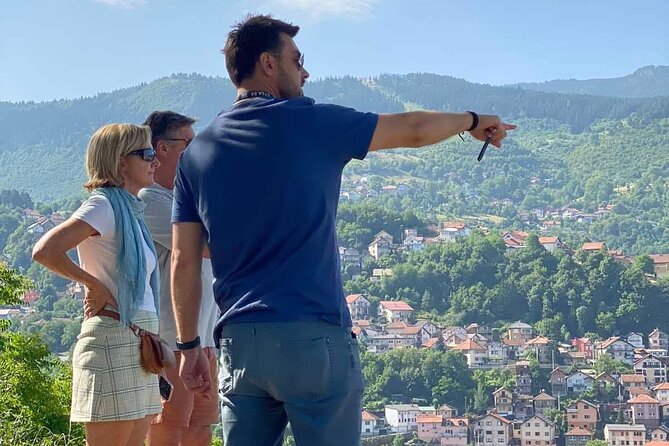
After several serious wartime locations, the viewpoint offers a chance to see Sarajevo as a living city rather than only a place defined by conflict. You can look across the city from above and connect the streets you have visited with the wider setting.
The stop is brief and free. That makes sense for a viewpoint, though 15 minutes may feel short if you want a slower pause for photographs. The benefit is that it rounds out the tour without adding another long museum visit.
The location near City Hall also brings the route back toward the historic center and the meeting point. It is a practical ending to a tour that moves between central Sarajevo, the airport area, and Trebević.
What the $40.81 price includes
The listed price is $40.81 per person. For that, you receive transport in an air-conditioned vehicle, bottled water, and an English-speaking guide. The vehicle is a real advantage because the stops are not all within an easy walking route, especially the tunnel and mountain track.
You also get a group limited to a maximum of 15 people. That is small enough to make questions possible and large enough to keep the price below a private tour. Do not expect a completely personal itinerary, but you should have a more manageable setting than on a full-size bus.
The main added expense is the €10.50 tunnel admission. Tips are not included either. In practical terms, the tour offers good value if you want several distant war-related sights in one half-day and prefer explanations along the way. It is less attractive if you plan to visit only the tunnel and prefer to arrange a taxi or independent visit.
The price also pays for interpretation. Sarajevo’s war sites do not always explain themselves clearly. A street, cemetery, or abandoned track can be visually interesting but historically confusing. The guide links the stops and explains how the city functioned during the siege, which is the main reason to choose an organized tour.
How the timing fits into a Sarajevo visit
The start time is 12:00 pm, and the total outing takes about 3 to 4 hours. You can plan this as a substantial half-day activity, with time before or after for Sarajevo’s Old Town and other sights.
Since the tour ends back at the starting point, you do not need to arrange a separate ride home. The meeting point is House of Spite at Veliki Alifakovac 1, near City Hall. The activity is also near public transportation.
The midday departure can work well if you prefer a slower morning. It also means you should avoid booking another fixed activity too close to the end, since the exact return time can vary within the stated three-to-four-hour window.
The route includes free outdoor stops and a museum admission. Wear something suitable for moving between vehicle stops and outdoor sites, though the supplied information does not specify special clothing or equipment. The key practical point is to plan for a serious subject and several changes of setting rather than a relaxed city stroll.
Who will get the most from this tour
I would recommend this experience to you if you want to understand Sarajevo through its recent past and prefer a guide to put the locations into context. It suits visitors with only a few days in the city because it covers five sites in one outing.
It is also a good choice if you are interested in military history, modern European politics, urban change, cemeteries, or abandoned architecture. The Olympic track adds variety, while the tunnel provides the clearest focus.
Families and older visitors may appreciate the vehicle and the manageable duration, as the tour does not require spending the whole day walking between sites. The activity states that most people can participate, but the information provided does not give detailed accessibility notes, so you should ask the provider if you have specific mobility needs.
This is not the best pick if you want a cheerful introduction to Sarajevo or a tour centered on food, architecture, or Ottoman-era sights. The experience is serious throughout, even when the scenery opens up at Yellow Fortress.
Booking, cancellation, and guide quality
Confirmation is provided at booking, and the tour is offered in English. Guides Edis and Elvis have been specifically praised for communication, historical explanation, and discussion of present-day Sarajevo. That is the quality to look for here: not just facts, but a clear link between the sites and the city people live in now.
Free cancellation is available if you cancel at least 24 hours before the start time. Cancellations made less than 24 hours ahead are not refunded, and changes inside that window are not accepted. The cut-off follows local Sarajevo time.
The provider is Tour Mage. Since the group is capped at 15, booking ahead is sensible if your schedule is tight, though no separate availability details are provided.
Should you book the Sarajevo War Tour?
Book it if you want a focused, guided look at Sarajevo’s siege and are willing to spend an emotionally serious half-day. The Tunnel of Hope, Sniper Alley, Jewish Cemetery, Olympic bobsleigh track, and Yellow Fortress create a strong sequence, moving from survival underground to danger in the streets, wartime positions, abandoned Olympic ambition, and a broad city view.
The best reason to choose this tour is the combination of transport and explanation. You could visit some sites on your own, but you would have to arrange the route and supply much of the context yourself. Add €10.50 for the tunnel, bring questions, and leave room in your schedule for the full four hours.
Skip it if your Sarajevo visit is very short and your priority is the Old Town alone, or if war history is not something you want to confront on holiday. For everyone else, this is a practical and meaningful way to see how Sarajevo’s past remains visible in its streets and hills.
FAQ
How long does the Sarajevo War Tour take?
The tour lasts approximately 3 to 4 hours.
What time does the tour start?
The scheduled start time is 12:00 pm.
Where does the tour begin?
It begins at House of Spite, Veliki Alifakovac 1, Sarajevo 71000, Bosnia and Herzegovina.
Where does the tour end?
The activity ends back at the meeting point.
Is the Tunnel Museum entrance included?
No. Admission to the Tunnel Museum costs €10.50 per person and is not included in the tour price.
What is included in the tour price?
The price includes an air-conditioned vehicle, bottled water, and an English-speaking guide.
How many people can join the tour?
The group has a maximum of 15 participants.
Just added around Sarajevo
- Strbacki Buk and Una Waterfalls: Day Trip from Sarajevo★ 5.0 · 3 reviews
- Bosnian Kingdom Capitals: Travnik & Jajce Tour from Sarajevo★ 5.0 · 3 reviews
- Walking Tour in Sarajevo★ 5.0 · 3 reviews
- MTB Bjelasnica – Lukomir★ 5.0 · 3 reviews
- Sarajevo Under Siege: A City’s Struggle & Survival Tour★ 5.0 · 3 reviews
- Herzegovina Tour from Sarajevo: Mostar, Počitelj, Blagaj, Kravice★ 5.0 · 3 reviews
- Travnik, Jajce, Pliva Lakes & Mills –Medieval & Ottoman Bosnia Full Day Tour★ 5.0 · 3 reviews
- Tour of Herzegovina – From Sarajevo★ 5.0 · 3 reviews
Sarajevo Tours, compared.
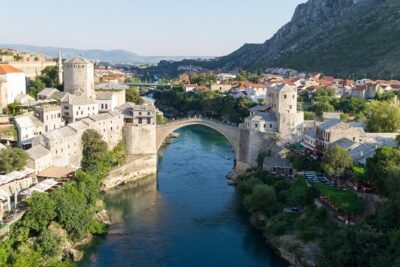
Sarajevo: Mostar, Konjic, Blagaj Tekke, Pocitelj & Waterfall
Read our review →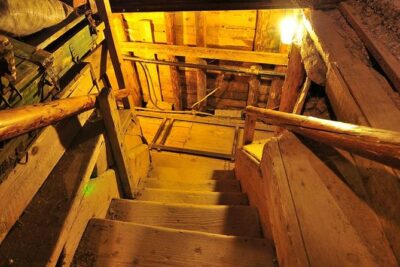
Fall of Yugoslavia, Sarajevo War Tour with Tunnel of Hope Museum and Frontlines
Read our review →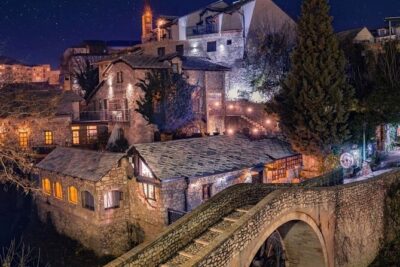
Sarajevo: Mostar, Konjic, Sufi House, Pocitelj & Kravice Falls
Read our review →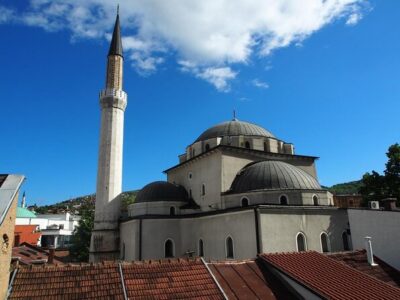
Sarajevo: 2 Hours Old Town Walking Tour With Local Guide
Read our review →
Sarajevo: Mostar, Konjic, Dervish House, Pocitelj & Kravica Falls
Read our review →
From Sarajevo: Srebrenica Genocide Memorial Study Tour
Read our review →
Mostar,Kravica Waterfall,Blagaj,Počitelj – Day Tour from Sarajevo
Read our review →
Sarajevo War Tour: A Veteran’s Story of the Siege (fees included)
Read our review →Browse the lists this tour appears in